Share


The festive season brings with it familiar treats around the sweet-shop counters, street-food stalls and also in the home kitchen. From colourful barfi and jalebis to spicy samosas and kachori, everything feels inviting. But the bright red chutney served with these snacks has recently come under the spotlight in Uttar Pradesh, where authorities have restricted the use of artificial red colour in these accompaniments. The move brings attention to a more comprehensive food safety question: how much colouring is allowed in the food we eat, and which colours are safe to use?
Colour additives are commonly used to make sweets, beverages, sauces and packaged foods look uniform. However, not every bright shade is harmless, and not every colour sold in the market is authorised for use in food. With festive food purchases gearing up, knowing the difference between permitted food colours and prohibited industrial dyes can help you make more informed choices.
Why Has Uttar Pradesh Restricted Food Colours?
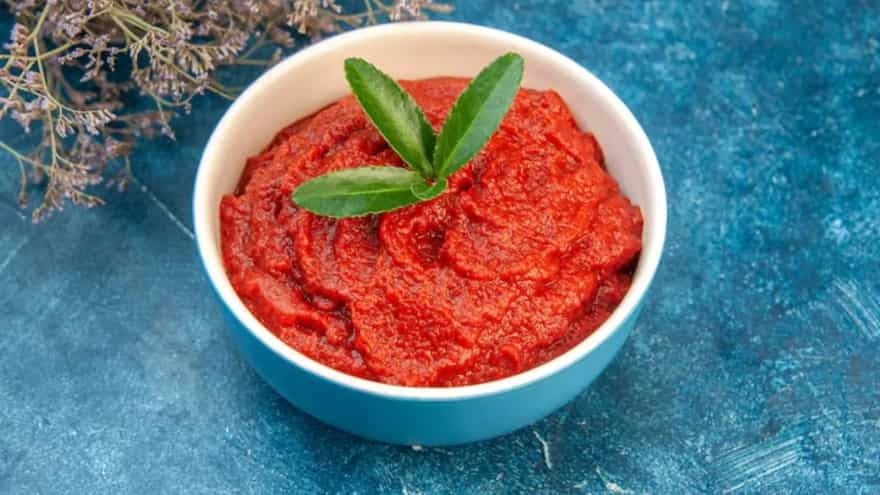
The Uttar Pradesh Food Safety and Drug Administration (FSDA) has issued guidelines asking food businesses not to add any artificial colours to chutneys that are served with samosas, momos, chaat and rolls. Vendors have been asked to use ingredients such as tomatoes, beetroot, mint and coriander in their place. The restrictions also cover many cooked foods, such as dal, biryani and vegetables, where added colouring is not permitted.
The concern goes beyond just the appearance. Industrial dyes such as Rhodamine B, Metanil Yellow, Auramine and Sudan dyes are not authorised to be used in food. Exposure to these substances can have health risks, including toxic effects and possible damage to organs such as the liver and kidneys. Rhodamine B, for example, is an industrial dye that is used in textiles and paper and is not a replacement for edible red colour.
(Credits: Freepik)
Which Food Colours Are Allowed To Use In Food In India?
The Food Safety and Standards Authority of India (FSSAI) controls the use of food colours under the Food Safety and Standards (Food Products Standards and Food Additives) Regulations, 2011. In India, eight synthetic food colours which are Ponceau 4R, Carmoisine and Erythrosine (red); Tartrazine and Sunset Yellow FCF (yellow); Indigo Carmine and Brilliant Blue FCF (blue); and Fast Green FCF (green) allowed.
These colours are allowed only in selected food categories, like some confectionery, bakery products and drinks. Natural colouring agents, such as curcumin, carotenes, chlorophyll and caramel, are also used in food, subject to the relevant regulations. Notably, a colour being used as food-grade does not mean it can be added to every preparation.
How Much Food Colour Can Be Used?
There is no single ratio that applies to every food. For many established categories, including some sweets and confectionery, the maximum permissible level of synthetic colour is 100 milligrams per kilogram of the finished food. This is equal to 0.01% by weight. Some food categories have different limits, whereas others do not allow added colour at all.
The quantity must also be limited to what is required to get the desired appearance. FSSAI's guidance clarifies that maximum permitted levels are not marks for manufacturers that can be used in every batch. The actual amount should be maintained as low as possible while serving its intended purpose.
What Should You Look For While Buying Festive Sweets And Snacks?
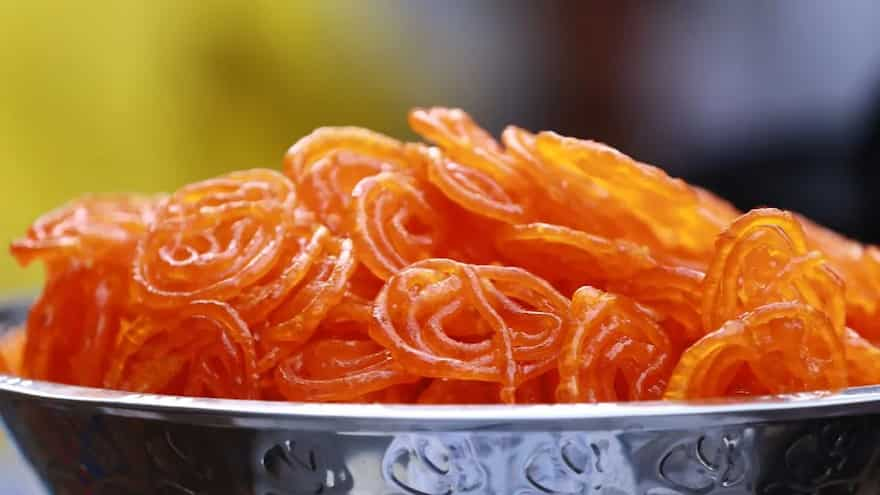
A brightly coloured barfi, orange jalebi or deep-red chutney does not automatically become unsafe. The concern is whether the colour used is allowed for that particular food and whether it remains within the set limit. Consumers can keep a few checks in mind when shopping for festive sweets and snacks:
Check packaged food labels: Look for assertions such as 'Contains Permitted Synthetic Food Colours' or 'Contains Permitted Natural Colours' where appropriate. Ingredient and additive details should be clearly mentioned. If the product looks oddly bright with no mention of added colours, chances are it has a high level of restricted food colours.
Buy from reliable sweet shops: Choose places that have clean counters, protect food from dust and flies, and can give you clear information about their ingredients and products.
Ask about loose colours: Food businesses should buy colours from authorised suppliers and maintain relevant bills and batch details. If in doubt, you can ask about the type of colours that are being used.
 (Credits: Pexels)
What Does This Mean For Festive Food Preparations?
With festivals such as Diwali and Chhath Puja bringing increased demand for mithai, namkeen and other festive snacks, food colour safety deserves awareness from both manufacturers as well as consumers. Sweet makers can use approved colours where regulations permit them, whereas ingredients such as saffron, turmeric, beetroot and fruit extracts can add natural shades in appropriate preparations.
The larger point is that festive food does not need an artificially intense colour to look appealing. Whether buying a box of barfi or ordering samosas from a street stall, knowing what goes into the food is just as important as its appearance.