


 Share
Share

Tribal cuisine is defined by its reliance on seasonal produce, minimal processing, and resource-efficient techniques that evolved from close interaction with local ecosystems. Each dish is built on practical methods that prioritise nutrient retention, cooking efficiency, and ingredient availability.
A single vegetable like shakarkand or sweet potato can be prepared in multiple ways. Boiling delivers a neutral flavour suitable for combining with foraged greens. Roasting over embers develops a firmer texture and concentrated taste while using minimal equipment. Steaming in leaf pockets preserves moisture and brings an earthy flavour.

(Image Credit: Pexels)
Regardless of so many variations, authentic tribal shakarkand dishes remain strongly rooted in memory because they follow long-standing regional practices. Yet they feel new to many people simply because the names and techniques are not widely documented outside the communities.
1. Shakarkand Sabzi And Duska
Shakarkand sabzi in Jharkhand is commonly prepared by Oraon and Munda households as a winter accompaniment to duska, a fermented rice–lentil deep-fried bread. The shakarkand is boiled until firm, sliced, and cooked in a controlled flame using basic home-seasoning practices. The pan-cooking process focuses on retaining the tuber’s structure while forming a lightly crisp exterior. The sabzi depends on slow sautéing to keep the natural sweetness intact. Duska is made separately by grinding soaked rice as well as lentils into a smooth batter, fermenting it for several hours, and frying shaped discs until they form an even crust. The pairing is common in rural meals because the combination offers balanced carbohydrate content and is easy to prepare in larger quantities.
(Image Credit: Pexels)
2. Shakarkand Ki Kheer
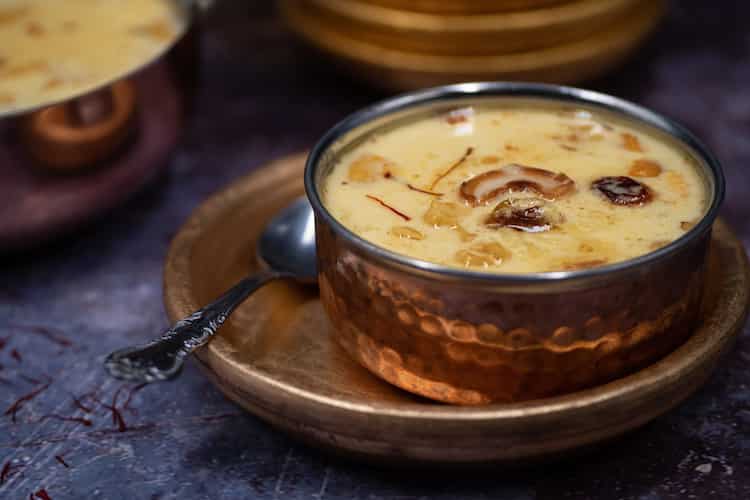
Santhal as well as Ho families prepare shakarkand ki kheer during winter or after harvest because the tuber provides natural sweetness and reduces the need for heavy sweeteners. The method begins by boiling shakarkand until soft, then grating or mashing it to achieve a uniform base. The mixture is simmered in milk on low heat, allowing starch from the tuber to thicken the liquid gradually. Slow reduction is an essential part of the process, as it ensures controlled thickening without graininess. The dish is stirred continuously using wooden ladles to prevent burning at the base of the pot. Cooking time varies depending on the desired consistency, but most households prefer a medium-thick texture suitable for serving warm.
3. Shakarkand Malpua
Shakarkand malpua has a dense, soft centre that carries crisp edges and a sweet taste. Its flavour stays mild and earthy, making it richer than regular malpua without feeling heavy or overly sugary. Shakarkand malpua is prepared by several central Jharkhand communities, particularly among the Munda and Kurukh groups, during winter because the tuber increases binding in batter-based sweets. The process begins by boiling shakarkand, mashing it finely, then, mixing it with a thick batter. The consistency must remain pourable yet firm enough to hold shape when added to hot oil. The batter is ladled into controlled-temperature crude, where the malpua cooks evenly on both sides until golden. Traditional kitchens use iron pans with curved edges to maintain a stable frying depth.
(Image Credit: Pexels)
4. Shakarkand Chaat
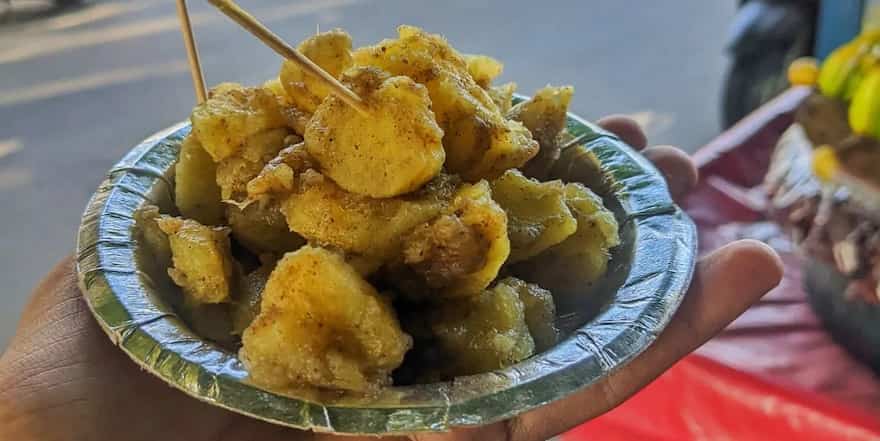
Shakarkand chaat differs from standard potato-based chaat because the base undergoes coal roasting rather than boiling or frying. Roasting reduces moisture and creates a firm yet soft texture that stays stable during mixing. The tuber develops a mild smoky note that is not present in other chaat variations. Once peeled and cut, the pieces absorb seasoning evenly because the surface remains dry. The taste combines controlled sweetness, light tang, and an earthy profile that supports spices without overshadowing them. The dish is common in winter markets across Jharkhand, where vendors roast large batches over ember beds and serve the chaat while the tubers retain warmth. The dish remains distinct because it relies on a single ingredient’s structural integrity rather than layered fried elements.
(Image Credit: Pexels)
5. Shakarkand Choka
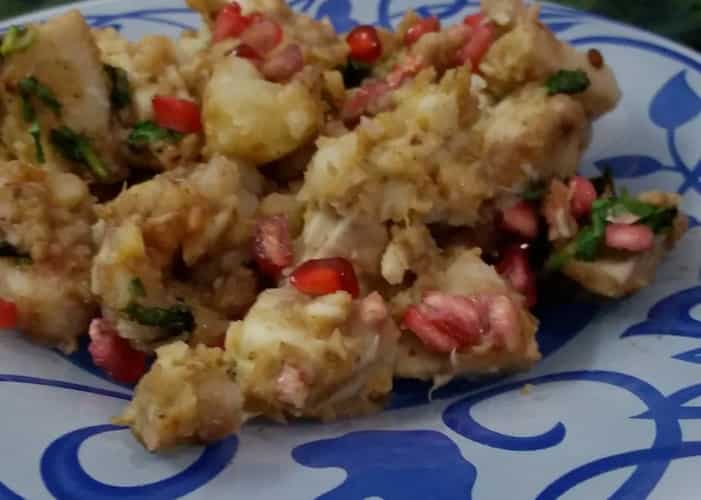
Shakarkand choka is widely prepared across Oraon, Birhor, and Munda households. It follows the traditional choka-making method applied to vegetables and root crops. The shakarkand is roasted or boiled until soft, then hand-crushed using wooden tools to preserve its coarse texture. Choka is mixed in a manner so that the natural sweetness remains the dominant flavour with a little bit of salt. It is served alongside millet preparations or seasonal greens. Crush the sweet potatoes immediately after cooking while warm. Serve fresh because the texture deteriorates when stored.




