


 Share
Share

With autumn in its full bloom, you know what’s next: the chilly winter season. From the cosy blankets to wrapping your hands around a cup of hot adrak vali chai, there are way too many things that you do to protect yourself from the biting cold. But just like you, your green-leafed friends require a little extra care and attention.
If you’re based in North India, places like Delhi, Chandigarh, Himachal, and even Rajasthan can get quite harsh during the peak winter months. So, if you’re an avid gardener, don’t let the frost take away your efforts and lower the yield. Just follow these kitchen gardening tips, prepare the pots, plants, and your garden, and you’ll be good to go.
Harvest The Monsoon Plants
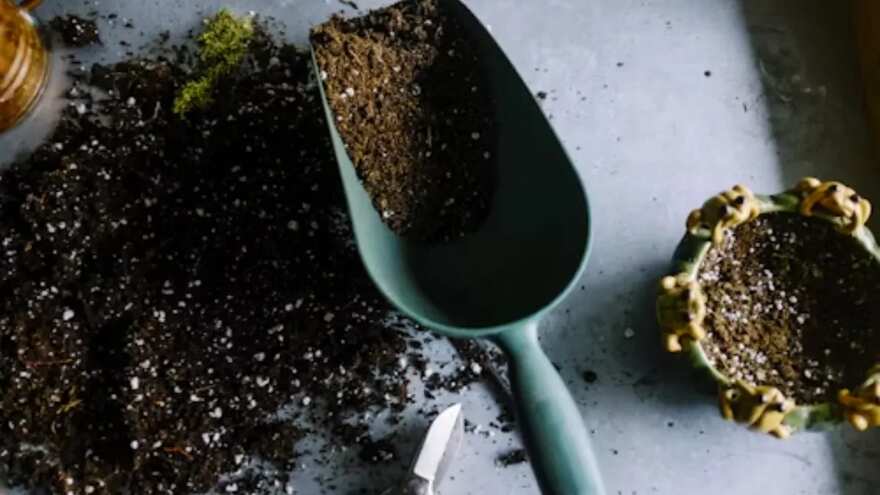
Image Credits: Unsplash
Before you start preparing your garden for the winter season, it is essential to harvest and clean the produce from the summer and monsoon seasons. If you have a full-fledged home garden, bhindi could still be flowering, some brinjals may still be ripe for plucking, and a couple of tomatoes might still be green. The first step in winter preparation is to remove all warm-season crops from your garden, as low temperatures and frost will hinder their growth.
Deep Clean The Garden
One of the best ways to keep your kitchen garden healthy and fresh is by starting with a deep cleanse. Especially in the winter season, when the pests want to hide in dead and decaying matter, before planting the winter crops, it is essential that you first pull the older roots, remove all the weeds, and collect all the broken stems, leaves, and branches. And most importantly, don’t throw the organic matter away, turn it into compost and use it for fertilisation.
Add Mulch
If you have soil beds or even big pots that are hard to move in the frost, don’t forget to add mulch. The thick layer of organic matter acts as a blanket that protects the roots from the biting cold. Insulating the soil, the mulch helps to make the plants better resistant to lower temperatures, retains moisture, and suppresses the growth of weeds.
Winter Watering Routine
With the sudden drop in temperature and fewer hours of sunlight, the plants require much less watering than in the summer season. The best time to water the plants during colder months is early morning. The sunlight during the day helps to keep the soil dry during the night. And before watering the plants, always check the top inch of the soil. If it’s moist, you can even skip watering for a day or two to avoid waterlogging.
Adjust As Per Sunlight
Image Credits: Freepik
Since winters in India come with shorter days and longer nights, the duration of plants being exposed to sunlight shrinks. So, keep adjusting the location and position of the pots to get the maximum sunlight. Also, ensure that the plants have a good airflow to avoid fungal diseases. In extreme weather, you can clean the leaves with a cloth to avoid the smog from settling.




