


 Share
Share

Typically using fewer artificial additives, avoiding excessive sweetener and relying on shorter ingredient lists that highlight choices, flavour profiles also follow different parameters. Regular snack bars often use predictable flavours such as chocolate, peanut or basic fruit mixtures while Gen Z snack bars introduce varied textures, global-inspired flavours and combinations designed to provide contrast rather than uniform sweetness.
The usage context has changed as well. Traditional snack bars are positioned as simple between-meal fillers. Gen Z snack bars are designed for multitasking, supporting long study sessions, commuting needs, or work breaks without causing heaviness. These serving bars focus on portability, controlled portion size, and flavour contrast.
Gen Z Snack Bar Ideas To Keep In Mind
(Image Credits: Freepik)
Low Moisture Ingredients
Maintaining low moisture is the most important requirement when developing a snack bar for Gen Z consumers. Every ingredient must hold its structure without absorbing water, because moisture creates spoilage, textural changes, and reduced shelf life. A snack-serving bar must plan dry combos carefully because certain textures collapse when mixed. For example, peanuts stay crisp only in low-moisture settings, but they turn soft if paired with caramelised nuts because the sugar coating attracts moisture. Similar issues appear when crisp grains sit beside semi-soft fruits, causing texture loss within hours.
(Image Credits: Freepik)
Seasoning Powders
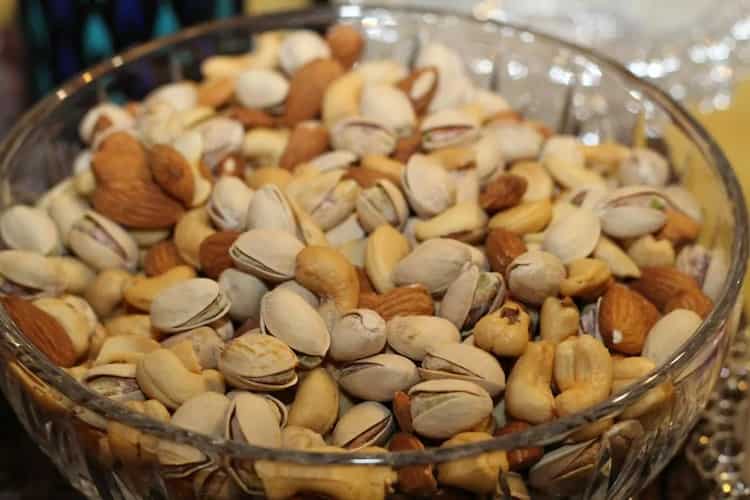
Flavour distribution in a dry snack bar depends on using powders that coat ingredients evenly without introducing moisture. Dry seasoning blends such as roasted spice powders, fine salt, powdered citrus, or mild herb blends work well because they integrate smoothly with dry grains and seeds. The seasoning must be extremely fine so that it covers surfaces without forming clusters. Light tumbling helps powders coat ingredients evenly, as seen in spiced pistachios or cashews, where tumbling prevents patchy seasoning and keeps every piece consistently flavoured.
(Image Credits: Freepik)
Less Sauce Formats
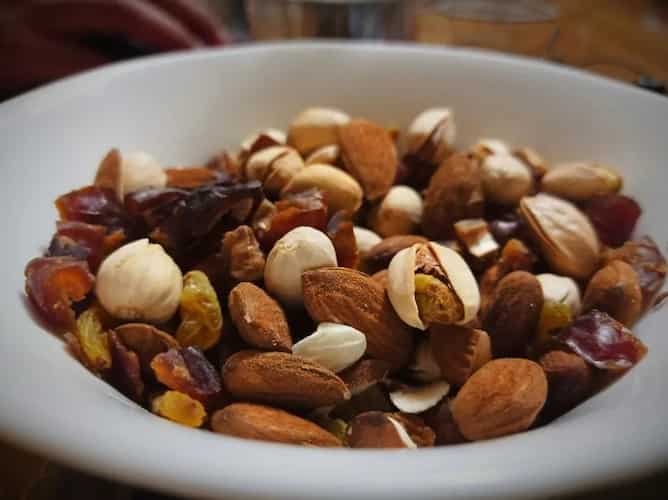
A no-sauce or less-dipping format fits Gen Z snack bars because this generation prefers clean, portable foods that do not create a mess during commuting, studying, or working. Reducing sauces helps maintain a dry structure, which aligns with compact packaging, predictable shelf life, and stable texture. In a dry bar, sauces introduce moisture that complicates mixing, increases the risk of spoilage, and limits portability. The taste becomes clearer when ingredients are not coated in syrups or sticky binders, allowing grains, seeds, and puffed elements to keep their distinct flavour. It also allows the bar combo to be carried in pockets or bags without affecting texture, which makes it suitable for snacks like dry nut mixes, roasted seed blends, puffed grain clusters, or dehydrated fruit chips portable during daily travel.
Roasted Components
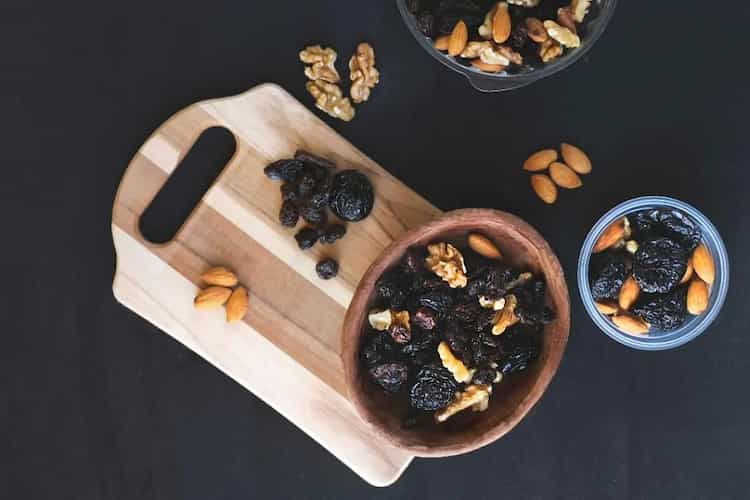
Roasted ingredients are included in snack bars because it reduces moisture, enhances flavour clarity and increase shelf stability. Roasted grains, seeds, legumes and puffed components maintain crispness even when compressed, which helps create a bar that holds structure without artificial binders. The roasting process brings out natural flavours through controlled browning, making the bar taste more defined without added sauces. Roasted components like peanuts, hazelnuts, foxnuts stand alongside Gen Z’s expectation for simple, identifiable flavours instead of heavily coated or overly sweet profiles like caramel drizzled popcorn or nougat toffees.
(Image Credits: Freepik)
Air-Dried Sweet Elements
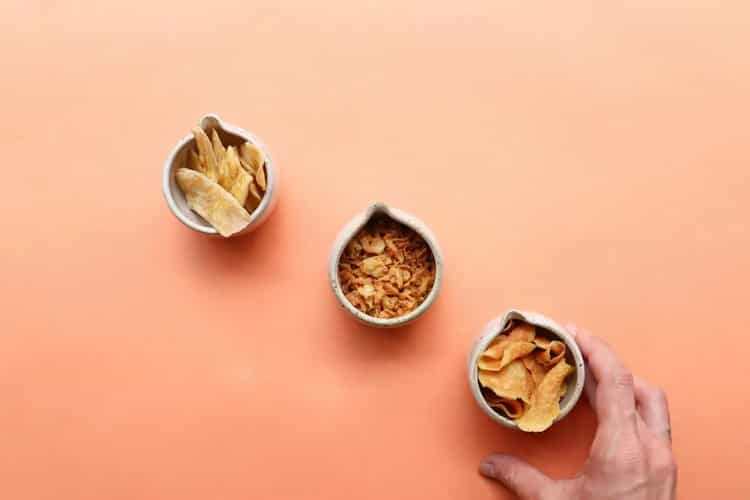
Air-dried sweet components are added to Gen Z snack bars because they provide natural sweetness without syrups, sugar coatings or chewy, heavy fruits. Air-dried candies and fruits taste lighter because the sweetness comes from natural sugars that stay concentrated without turning sticky. Chewy candies and toffees taste heavier because they rely on cooked sugar, fats, and heat processing that create dense textures as well as stronger sweetness. Air-dried fruits such as mango, apple, pineapple, or banana contribute controlled sweetness that does not soften other dry ingredients. They combine well with peanuts on the side, roasted grains, and puffed rice because their low moisture prevents clumping and keeps each component separate. These combinations are eaten as compact snack mixes served from the bar.




