


 Share
Share

Have you recently scanned a shelf of processed food at a supermarket or scrolled through a quick commerce website and came across the “No Palm Oil” branding? From social media handles to the packaging of the most popular brands, every food brand and Instagram influencer is trying to feed you snacks that don’t have palm oil. However, a few years ago, palm oil became one of the most sought-after ingredients when the “no trans fat” movement was in full swing.
The oil, once positioned as a stable alternative to trans fat, has now become what brands boast about removing. So, as a consumer, you're confused by the daily updates and marketing shifts. To dive deeper into the science behind it, Slurrp interviewed Mitushi Ajmera, a nutritionist, author, and lifestyle coach who has watched the ingredient’s reputation from villain to virtue and back again.
Also Read: 5 Health Benefits Of Cooking With Palm Oil
The ‘No Palm Oil’ Branding
More and more brands are redesigning their packaging and, wherever applicable, adding a “no palm oil” mark to the packets. Grabbing attention, consumers are also choosing processed foods that don’t contain palm oil.
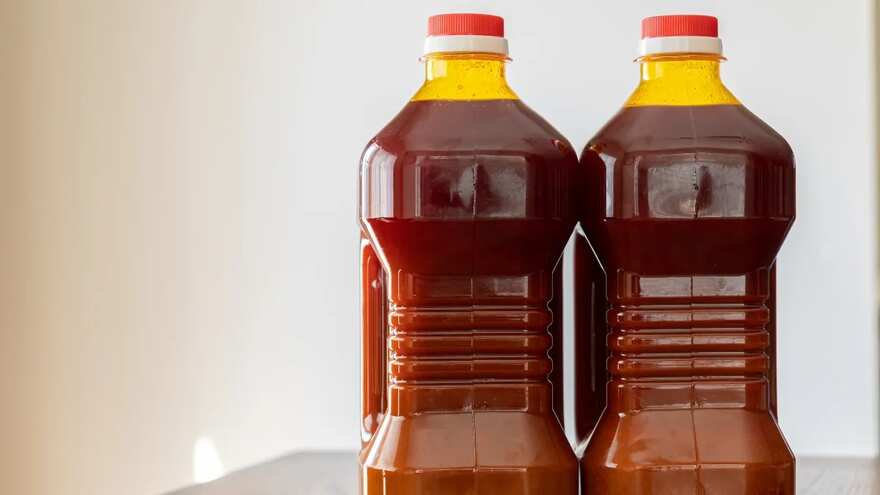
Image Credit: Adobe Stock
As per Mitushi, “Palm oil is widely used in packaged foods as it is semi-solid at room temperature, making it easy to use in cooking. It also lasts a long time, which is good for packaged foods.” She believes that since palm oil is cheap to produce, it is used in many processed foods like biscuits, chips, namkeen, instant noodles and more.
Has Science Actually Changed?
This is the question at the heart of the current wave of "palm oil–free" packaging, and Ajmera's answer is blunt: not really. The nutritional science on palm oil, she says, hasn't shifted dramatically in the last few years. What has shifted is public attention.
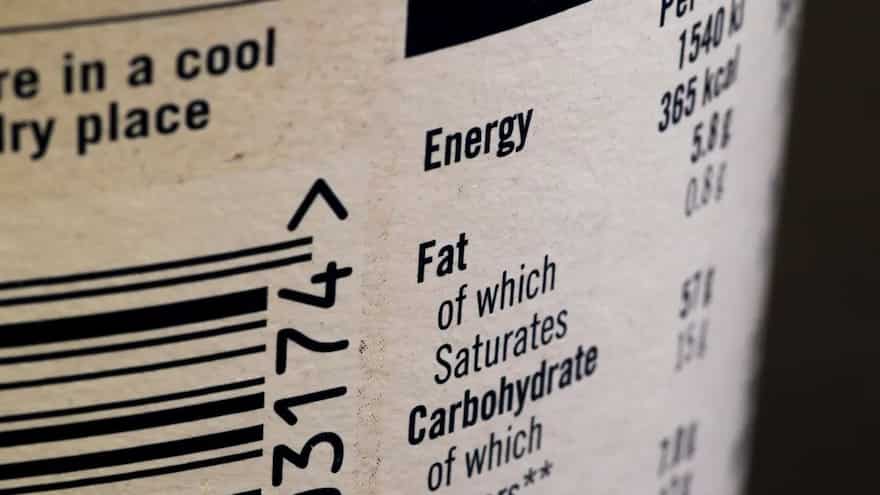
Image Credit: Adobe Stock
“Consumers are reading labels more closely and asking more questions than they used to, which is a genuinely positive habit,” she notes. “However, brands have also learned to meet that curiosity with a marketing hook, turning "no palm oil" into a shorthand for "healthy," whether or not that's accurate.”
So, it’s not true that there is new research about palm oil being the victim of declining health. It's a story about old evidence meeting a newly label-literate consumer, and an industry ready to capitalise on that literacy.
Not All Palm Oil Is the Same
One nuance that tends to get lost in blanket statements that markets palm oil as hazardous is that there's a real difference between crude, red palm oil and the refined, bleached, deodorised (RBD) version used in most packaged snacks.
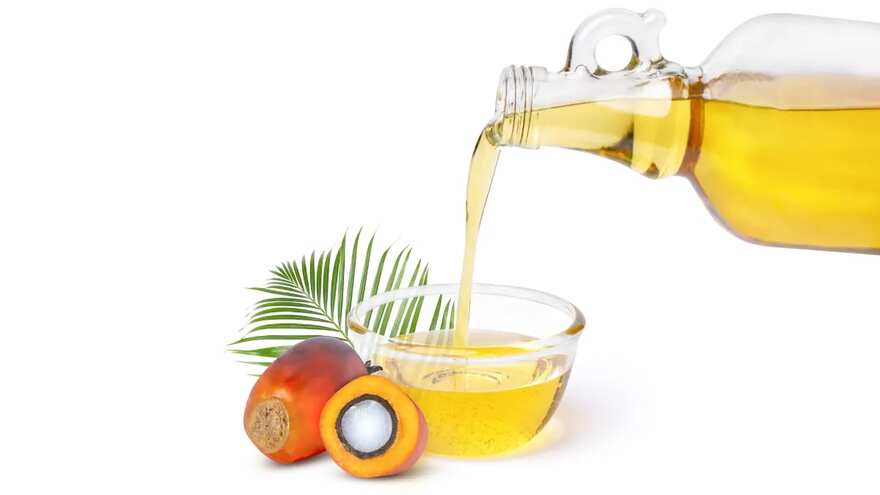
Image Credit: Adobe Stock
“Red palm oil has nutrients like vitamin E and antioxidants because it is not processed as much. Whereas, RBD palm oil is used in a lot of packaged foods. It does not have as many nutrients. Both oils have a lot of saturated fat, so you should not eat much of them,” she clarifies. “I think the bigger problem is the foods that palm oil's in, not the oil itself. Many processed foods contain high levels of sugar, salt, and unhealthy fats. They also do not have fibre and nutrients. Palm oil is one part of the problem. If you eat a diet and only have foods with palm oil occasionally, it is not a big deal.”
The Right Questions To Ask As A Consumer
Ajmera says she's fielding far more questions about palm oil from clients than she used to, largely driven by fears around cholesterol and heart health. But she's noticed a troubling shortcut in how people are applying that concern: the assumption that a product without palm oil is automatically healthy.
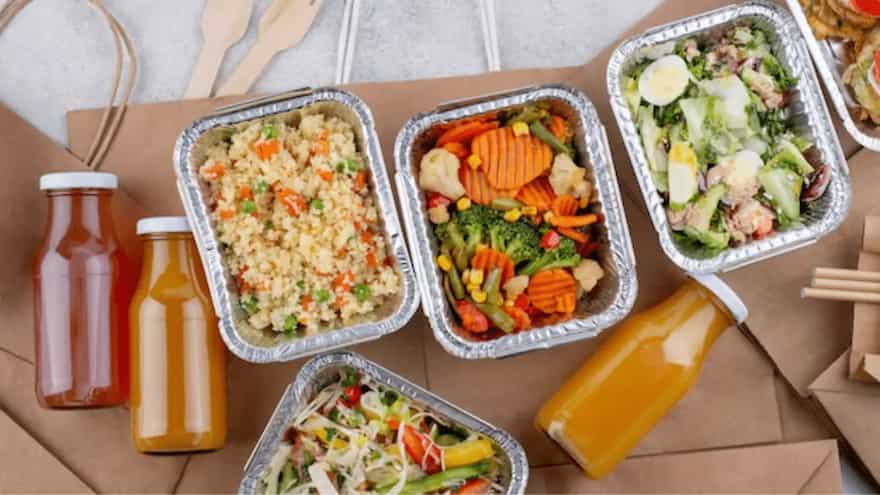
Image Credit: Magnific
“The fix isn't scanning for one ingredient; it's reading the full nutrition label and evaluating the food as a whole,” she highlights. “Just don’t buy into the ‘no-palm oil’ pitch of most brands or fall into social media’s tendency to flatten complex science into simple villains and heroes. Seek out reliable information and don’t reduce your research to just one ingredient.”
The Palm Oil Myth Worth Retiring
If there's one idea Mitushi most wants to correct, it's the binary itself. She fixates on consumers to let go of the notion that palm oil is either wholly good or wholly bad. It's one type of oil, she says, with its own nutritional profile, and it can have a place in a diet when eaten in moderation. “The important thing is the overall quality of your diet, not one oil, and not one label,” she concludes.




