


 Share
Share

Microgreens and sprouts may appear to be like mini versions of vegetables, but they are grown differently and behave completely differently in the kitchen. Both begin as seeds, yet the distinction lies in how long they are grown, which parts you eat and how you use them for everyday meals. Sprouts are harvested soon after germination, when the seed has developed a small root and the shoot. Microgreens are grown longer until their first leaves appear, and they are generally cut just above the growing medium.
You might find sprouts added in a breakfast sandwich or mixed into a bowl of chaat, whereas microgreens often appear scattered over toast, salads, soups or even sometimes dosa. Their textures, tastes, storage needs and food-safety concerns also differ totally. Neither is automatically more suitable for every dish; the right choice relies on whether you want a crunchy ingredient to mix in a meal or a fresh, leafy end.
The Difference Starts With How Long They Grow
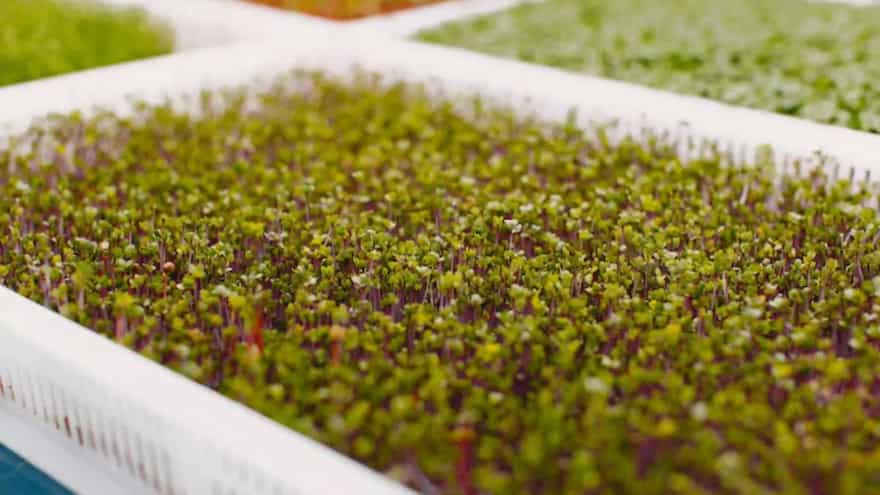
Sprouts usually get ready within a few days of germination, whereas microgreens need more time to develop their first few leaves. Moong beans, for example, can be soaked and sprouted at home before adding them to chaat, poha or sandwiches. Radish and mustard seeds can rather be grown as microgreens and then harvested once their stems and tiny leaves begin to appear.
This extra growing time changes how they appear and also their taste. If you want a quick ingredient for a meal, sprouts can be much more convenient. Microgreens need more patience, but they offer green shoots that can be used as fresh toppings.
(Image credit: Freepik)
You Eat The Whole Sprout, But Only The Shoots Of Microgreens
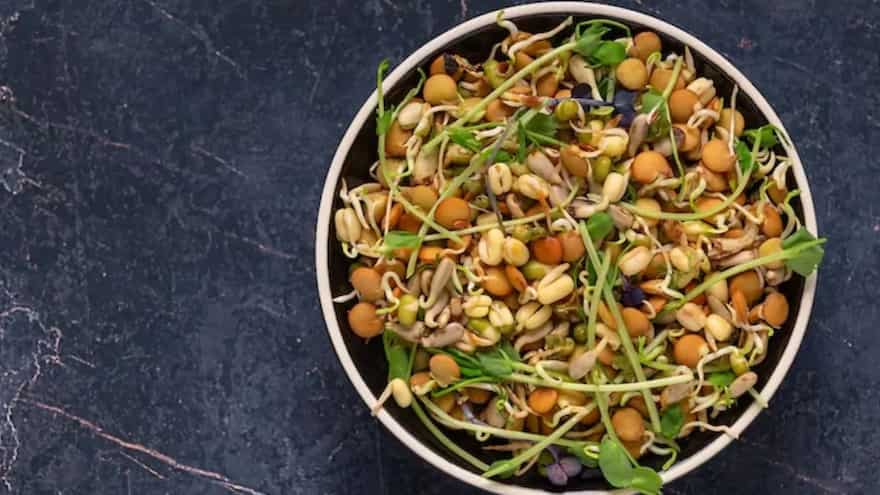
When you eat moong sprouts, you generally consume the seed, its developing shoot and the root all together. Microgreens are different because you cut the young stems and leaves above the growing medium, leaving the roots behind. This distinction impacts how you use them in day-to-day cooking.
Sprouts can be mixed in salads, sandwiches, chaat or even in cooked snacks, as they add texture throughout the dish. Microgreens are more often sprinkled over toast, omelettes, soups or dal just before they are served. Their light leaves add a pop of colour and a fresh finish without making the meal feel too heavy or changing its basic character altogether.
Their Textures And Flavours Change The Dish
Sprouts are generally crisp, juicy and soft, although their flavour relies on the seed. Moong sprouts, for instance, have a fresh, bean-like flavour that pairs well when mixed with lemon juice, chopped onions and a sprinkle of chaat masala. Microgreens offer a wider variety of flavours depending on the plant. Radish microgreens can add a peppery bite, whereas pea shoots are often sweeter and much milder.
This makes a difference when picking ingredients for a recipe. Use sprouts when you want to get a crunch in every bite, like in a sandwich filling. Pick microgreens when you want a fresh, leafy touch in soup, pasta or an open toast.
Growing Them At Home Needs Different Setups
Sprouts are typically grown in a clean or sprouting jar. Seeds are first soaked and rinsed regularly as they germinate, making it a relatively easy option for small kitchens. Microgreens generally need a shallow tray filled with soil or another appropriate growing medium, along with some light and a careful watering process. Once their leaves grow, the shoots are trimmed with clean scissors.
Sprouts can be ready sooner and take up little space, while microgreens demand a little more attention as they grow. For either process, pick seeds intended for food production and keep your hands, jars and tools clean throughout the process.
(Image credit: Freepik)
Food Safety Matters For Both, Mainly Raw Sprouts
Sprouts need special care because the warm, moist conditions used during germination can also promote harmful bacteria if seeds are infected. Rinsing them does not ensure that they are safe to eat raw. Microgreens can also become contaminated through seeds, water or handling, so clean growing techniques and proper storage are important.
Keep the harvested produce refrigerated and wash properly before eating. Cooking sprouts thoroughly is the safer choice, especially when used for young children, older adults, pregnant people and anyone who has a weakened immune system. Do not depend on appearance or smell alone to consider safety, as contaminated produce may still appear fresh.




