


 Share
Share

Frosting is a sweet, spreadable topping used to coat or decorate cakes and cupcakes. It is thicker and more structured than most creams, which is why it holds shape when piped or layered. Many people confuse whipped cream, fresh cream, or dessert toppings with frosting, but they are not the same.
Whipped cream is airy, made mainly from cream mixed with sugar, and it softens quickly at room temperature. Frosting, on the other hand, usually contains butter, icing sugar, or cream cheese, which gives it stability and body. That firmness allows it to stay in place without sliding or melting too quickly.
To make a basic butter frosting, start with softened unsalted butter at room temperature. Beat it until smooth and pale. Gradually add sifted icing sugar in small portions, mixing slowly to prevent lumps. Once combined, add a small splash of milk or cream then, continue beating until the texture turns fluffy and spreadable.
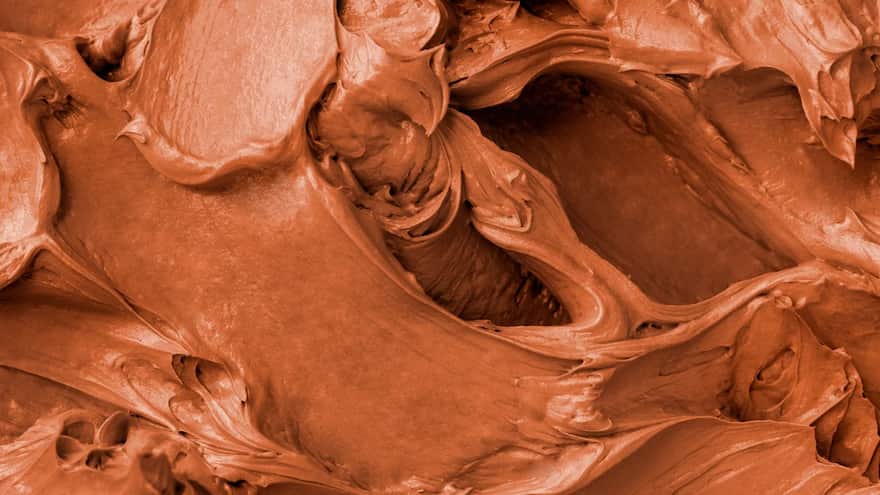 Adjust the consistency carefully until the frosting holds soft peaks and spreads without tearing the surface. Once balanced, this basic frosting becomes highly versatile across baking. It can be piped into decorative swirls on cupcakes, layered smoothly between sponge cakes, or used as a crumb coat to seal loose crumbs before final decoration. The same base can be tinted with food colour for themed cakes, flavoured with citrus zest or cocoa for variation, or thinned slightly to create a glaze for cookies.
Read More: 7 Frosting Hacks Every Baker Should Bookmark
Quick Frosting Hacks For Home Bakers
1. Use a Metal Bowl To Regulate Temperature
The bowl you choose can influence how stable your frosting turns out. Metal bowls conduct temperature more efficiently than plastic ones, which means they help maintain a cooler environment while whipping butter. During mixing, friction from the beaters generates slight heat. In a plastic bowl, that warmth lingers and can soften the butter too quickly, leading to a greasy or loose texture. A metal bowl dissipates that heat faster and keeps the mixture firmer. Placing the metal bowl in the refrigerator for a few minutes before starting can further improve control. The frosting remains structured and easier to pipe because the base stays stable.
2. Scrape The Bowl Frequently For Even Mixing
Many frosting issues come from uneven blending rather than incorrect ingredients. Butter often sticks to the bottom and sides of the mixing bowl, where it remains unmixed. If sugar is added without scraping, small pockets of plain butter or dense sugar form inside the frosting. These lumps become noticeable when spreading. To avoid this, pause after each addition and scrape the bowl thoroughly with a spatula. Turn the bowl slightly while mixing so every section blends evenly. This prevents streaks and inconsistent sweetness. Scraping regularly also reduces the temptation to overbeat in order to fix texture. Overbeating can introduce too much air and make the frosting unstable. A simple habit of scraping keeps the mixture smooth and balanced.
3. Add Flavourings After Structure Is Built
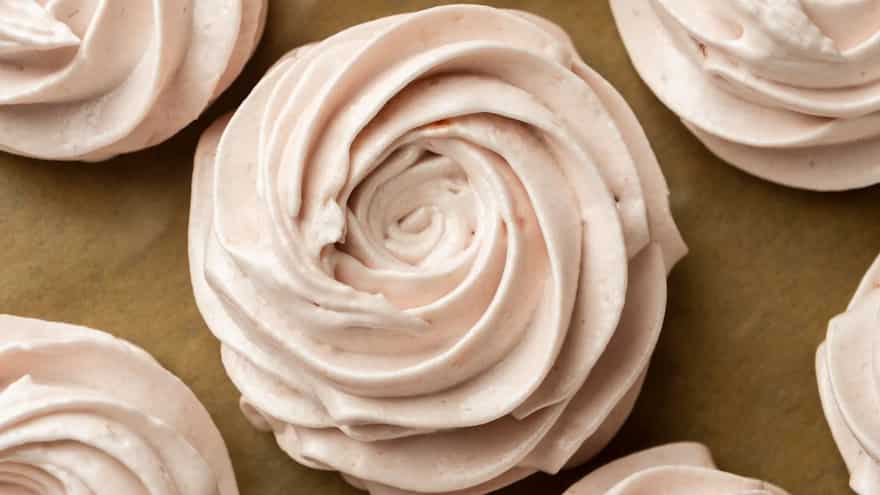
Flavour extracts, syrups, or melted chocolate can change frosting texture quickly. Adding them too early, before the butter and sugar are fully combined, weakens the structure. The mixture may become thin before it has formed a stable base. Instead, first whip the butter properly and incorporate the icing sugar completely. Once the frosting looks smooth and holds soft peaks, add flavourings gradually. Mix at low speed until evenly distributed. Even small amounts of liquid extract can affect thickness, so slow addition is important. By building structure first and flavour second, the frosting remains balanced. This order prevents separation and keeps the mixture firm enough for spreading or piping.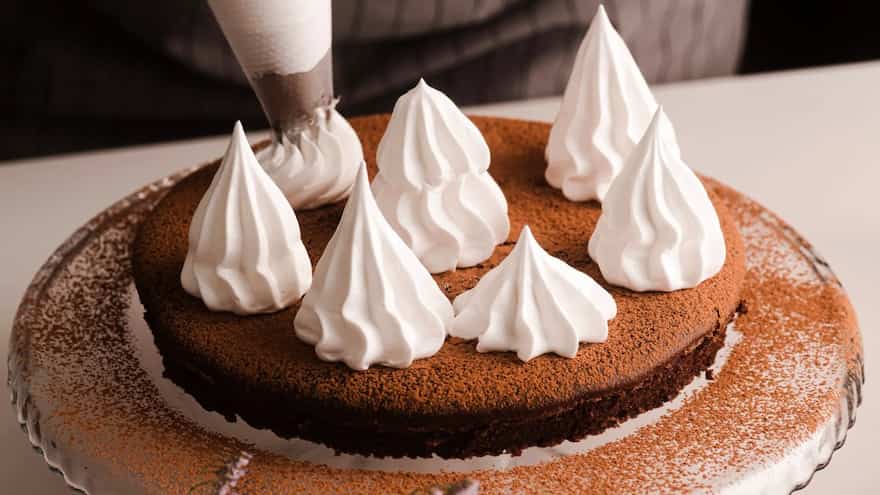
4. Mix In Controlled Bursts To Avoid Overheating
Continuous high-speed mixing may seem efficient, but it often causes butter to warm too much. The friction from beaters increases temperature and softens the mixture beyond control. Instead of running the mixer constantly, use short bursts at medium speed. Pause briefly between rounds to let the mixture settle. This reduces heat buildup and maintains stability. Controlled mixing also prevents excessive air bubbles from forming, which can create a rough surface when spreading. Frosting should feel smooth and structured, not airy and unstable. Managing speed carefully keeps the butter firm and helps maintain a clean finish.
5. Test Texture Before Decorating The Cake
Before applying frosting directly onto a cake, test a small amount on a plate or spatula. Spread it gently to observe how it behaves. If it looks glossy and slides easily, it may be too warm. If it is stiff or cracks while spreading, it may need slight softening or additional mixing. Adjust texture before committing to the final layer. This simple test prevents mistakes that are difficult to fix later. Frosting that is slightly too soft can cause layers to shift, while overly stiff frosting may tear the cake surface. Testing first allows small corrections without pressure. A few minutes of evaluation improves control and ensures the final decoration looks smooth and balanced rather than rushed or uneven.




