


 Share
Share

Sea buckthorn is a bright orange berry that flourishes on a thorny shrub in the cold, high-altitude areas of the Himalayas, especially in Ladakh. The fruit received wider public attention after Prime Minister Narendra Modi mentioned it during his 2018 convocation address at Sher-e-Kashmir University in Jammu. He stressed the plant’s capability to survive extreme conditions and mentioned its traditional as well as medicinal uses. The berry is also known as Leh Berry and is increasingly being examined for value-added food products.
One of the most distinctive qualities you will find in this fruit is its sharp taste. Sea buckthorn has a naturally tart and zesty taste profile, with an acidity that makes it quite distinct from other sweeter berries like strawberries or blueberries. That is one reason it is more commonly processed in juices, squashes, jams, jellies and other preparations than being eaten as a fruit. Its strong orange taste and punchy acidity also make it an appealing ingredient for drinks, spreads and condiments.
What Makes Sea Buckthorn Different?
Sea buckthorn belongs to the Hippophae genus and produces small orange berries clustered closely around the plant's thorny branches. In India, it grows across parts of the Trans-Himalayan region, with Ladakh being especially associated with the fruit. It is well suited to the cold, dry conditions of the region and has become an important crop for exploring local food processing.
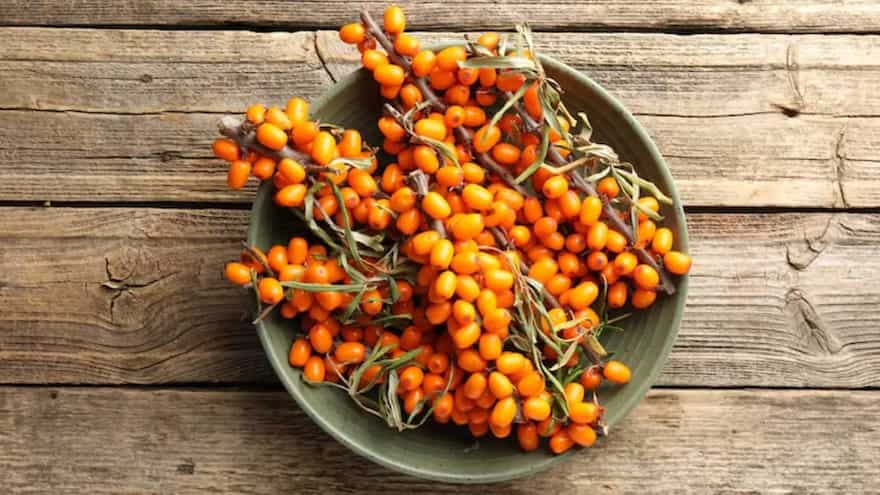
(Image credit: Freepik)
Its nutritional profile is another reason the berry has attracted so much attention. Research found sea buckthorn to have vitamin C along with vitamins A and E and several other micronutrients. The berries also have carotenoids and other antioxidant compounds. The exact nutritional composition can vary with species, growing conditions and also the processing, so it is better to view sea buckthorn as a nutrient-rich fruit rather than a superfood.
What Does Sea Buckthorn Taste Like?
Sea buckthorn is tart and a bit astringent, with a flavour that can feel intense when eaten fresh. Its acidity is closer to a sour fruit or citrusy flavouring. This makes it especially useful in foods where a little sharpness is welcome.
Instead of adding it in large quantities, cooks and food producers use sea buckthorn to just add mild acidity and fruitiness to a preparation. A small amount of juice or pulp can brighten a sweet spread, drink or dressing, while the sugar or another sweetener can soften its natural sourness.
How Is Sea Buckthorn Used In Cooking?
In Ladakh, sea buckthorn is increasingly being processed into juice, squash, jams and jellies. Its juice can be diluted into a sharp, refreshing drink, whereas a sweeter squash makes the acidity more comfortable to enjoy. Jam and jelly are another natural fit as sugar rounds out the berry's sourness while letting its orange colour and fruity character remain noticeable. The pulp can also be examined in chutneys and fruit-based sauces, where its tartness works the same way as souring fruits.
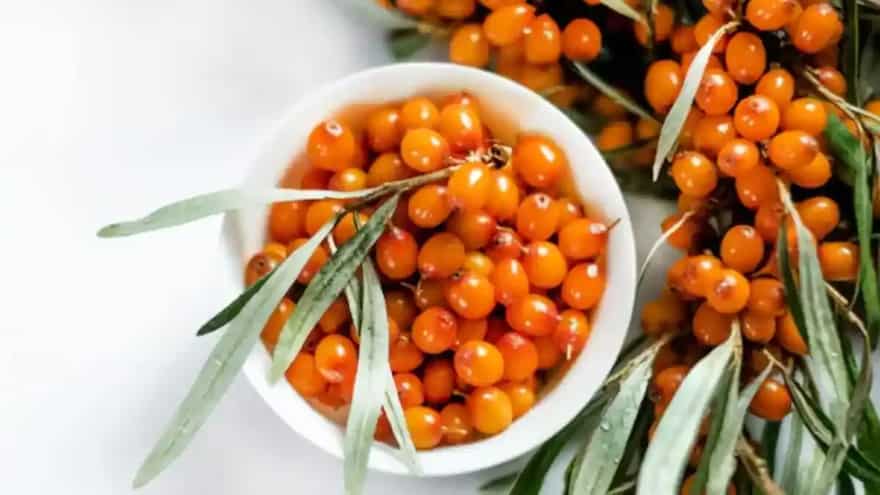 (Image credit: Freepik)
Sea buckthorn can also move beyond just the drinks and spreads. Its bright acidity makes it useful in salad dressings, dips and breakfast preparations, especially when combined with a sweeter or creamy element. Herbal tea made with sea buckthorn is another reported use of sea buckthorn.
Why Is Sea Buckthorn Getting More Attention?
The renewed interest is not only about its nutritional profile. Sea buckthorn is creating a food-processing opportunity for Himalayan communities, especially in Ladakh, where government agencies are working on cultivation, harvesting and value addition. Products such as juices, jams, jellies and beverages let a highly seasonal berry reach consumers beyond the region. That makes sea buckthorn impressive beyond the usual 'Himalayan superfood' label.




