


 Share
Share

A rental kitchen can look perfectly manageable until you actually begin stocking up on it. Two or three small cabinets, a narrow counter and maybe one awkward shelf that is either too high or above the gas stove. The biggest problem in a rental kitchen is not the amount of groceries you buy, but the lack of proper storage space to keep everything perfectly organised.
Unlike permanent residents, tenants often cannot drill into walls, add extra cabinets or make any major changes to the already made kitchen layout. Even adding a shelf may need permission from the landlord. This leaves many people piling packets on top of the refrigerator, keeping the grocery bags under the dining table, near countertops or pushing rarely used ingredients into whatever corner seems empty.
The solution is not always to buy another set of boxes. In a rental kitchen, even the smallest changes can make a big difference. Here are a few practical ways to deal with the storage problems that are very common in rental spaces:
No Pantry? Create A Grocery Zone On A Trolley
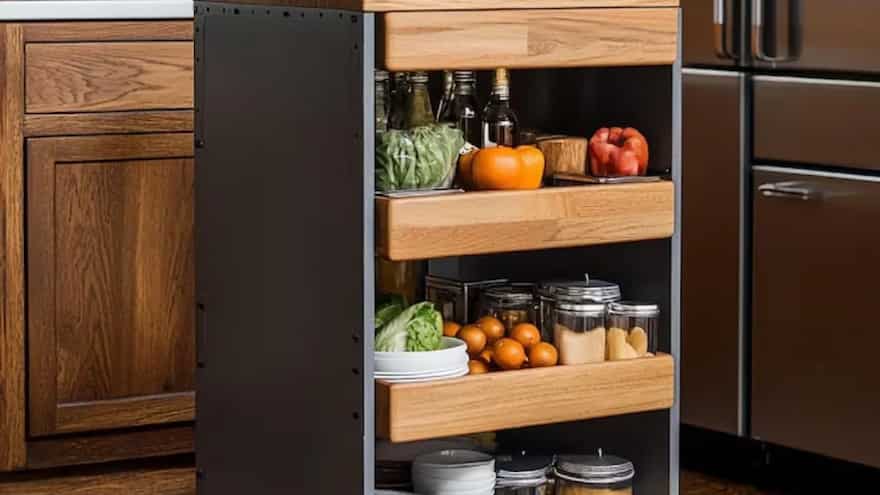
Many rental kitchens just do not have a pantry; that leaves essentials such as flour, rice, dals and oil bottles looking scattered between cabinets or simply placed on countertops. A slim rolling trolley can make a dedicated grocery zone without needing any drilling. Keep heavier staples like atta, rice and dal on the lower shelves and smaller packets on the top.
The biggest benefit is that you can roll it beside the counter whenever cooking and push it into a narrow gap afterwards. Pick a trolley that fits perfectly into the existing unused space rather than just buying it first and then discovering that it is blocking a doorway or the cabinet.
(Image credit: Freepik)
Cabinets Are Full? Use The Inside Of Doors
A surprisingly useful storage surface is the inside of a cabinet door. In a rental, glue organisers or removable hooks can perfectly hold the small spice packets, measuring spoons, kitchen towels or the frequently used packets. This is especially helpful when the shelves themselves are already filled with jars and containers.
Just avoid putting any heavy items or adhesive fittings, and check that the cabinet door closes properly. Otherwise, you may end up solving the storage problem but end up creating another, where a door refuses to shut because your newly organised spice collection is sticking out, leaving the spices to go muggy.
Grocery Packets Keep Falling Over? Use Bins
Open packets of flour, poha, pasta, snacks and other baking ingredients can quickly make a cabinet look like a messy pile. Instead of stacking them separately, group the similar items in a few open-front bins or baskets. One can hold the breakfast ingredients, another snacks and another one baking supplies.
You can pull out the entire basket rather than removing six packets to reach the one at the back. This is particularly useful in deep rental cabinets where the back section becomes a forgotten area. Use transparent or clearly labelled containers so that you can see what needs to be replaced before buying another packet.
Countertop Always Looks Crowded? Move The Extras Up
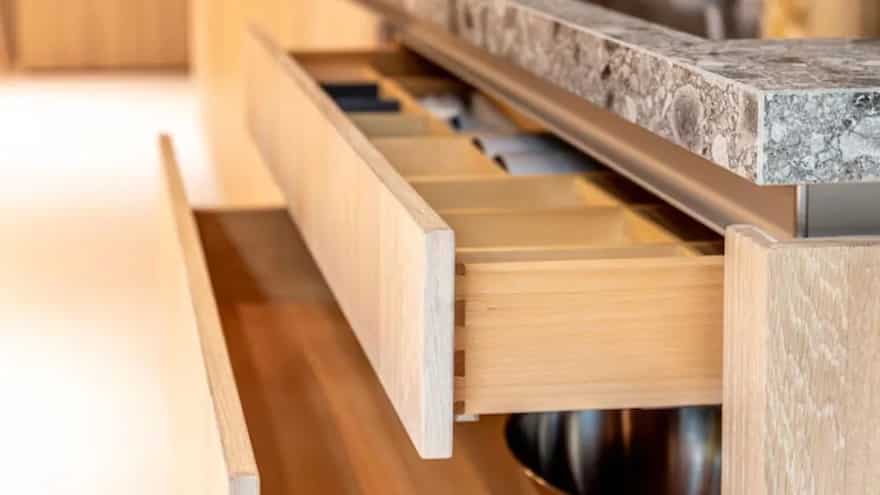
When cabinet space runs out, the kitchen counter often turns out to be the next storage area, leaving little room for actual cooking. Oil bottles, spice jars, appliances and even the grocery packets can quickly take over the space. If there is usable space above the counter, a freestanding tiered shelf can make another level without changing the wall.
Keep everyday items like tea, coffee, salt and frequently used spices within reach, while less-used ingredients can go on a higher shelf. Avoid storing very heavy containers overhead, especially on unstable shelves. The goal is not to fill every vertical inch but to free the working area of the counter where chopping and cooking can be done.
(Image credit: Freepik)
Buying In Bulk? Stop Treating Every Grocery As A Staple
Bulk buying can look economical until that small kitchen has to accommodate three kgs of rice, dal, flour, multiple packets of spices and several large bottles all at once. In a rental kitchen, buying smaller quantities more often can sometimes be more useful than chasing every bulk buy.
Keep a small reserve of genuinely fast-moving staples and avoid storing large quantities of ingredients that you use only sometimes. This also makes it easy to rotate food and check on the expiry dates. Before a grocery run, look through your shelves first; a quick inventory can stop another packet of turmeric from joining the two you already have at home.




