


 Share
Share

Raw bananas are in season, making it a good time to look beyond just the usual ways of cooking with them. Unlike ripe bananas, this one is firm and has a starchy texture that works particularly well in savoury dishes. Raw banana is one of those ingredients that changes character depending on how it is used. Its firm, starchy flesh maintains shape while boiling, frying and slow cooking, which is why it can be used for everything from crisp fries, chips and dry sabzis to koftas and coconut-based curries.
It also has a fairly neutral taste, letting stronger regional ingredients like mustard, coconut, curry leaves, green chillies, sesame and roasted spices take the lead. In some recipes, it is kept chunky, whereas sometimes it is mashed or grated to get an entirely different texture. Here are five traditional preparations that demonstrate just how differently raw bananas get cooked across Indian kitchens.
Vazhakka Mezhukkupuratti, Kerala
A simple preparation, vazhakka mezhukkupuratti turns raw banana into a dry, lightly spiced side dish. The bananas are peeled, cut into small pieces and then cooked until soft. Hereafter, they are tossed with coconut oil, mustard seeds, curry leaves, dried red chillies and turmeric.
Some versions use shallots or garlic too. The finished dish has a soft, slightly firm bite, with the earthy fragrance of coconut oil and a light chilli kick. It is commonly served alongside rice and other Kerala-style dishes, where its simple seasoning works quite well.
Vazhakkai Podimas, Tamil Nadu
In Tamil Nadu, raw banana turns into vazhakkai podimas, a dry preparation where the cooked fruit is crumbled rather than left in chunky bits. The bananas are first boiled or steamed, peeled and grated or mashed lightly as per preference. They are then tempered with seasoning made of mustard seeds, urad dal, green chillies, curry leaves and asafoetida, with grated coconut often added towards the end.
Freshly grated coconut is usually added towards the end, giving the dish extra texture as well as a slight sweetness. The outcome is a dish that feels light, fluffy and fragrant. Vazhakkai podimas is often served with sambar, rasam or curd rice, making it a simple but essential part of many Tamilian home-style meals.
Bengal's Kanchkolar Kofta
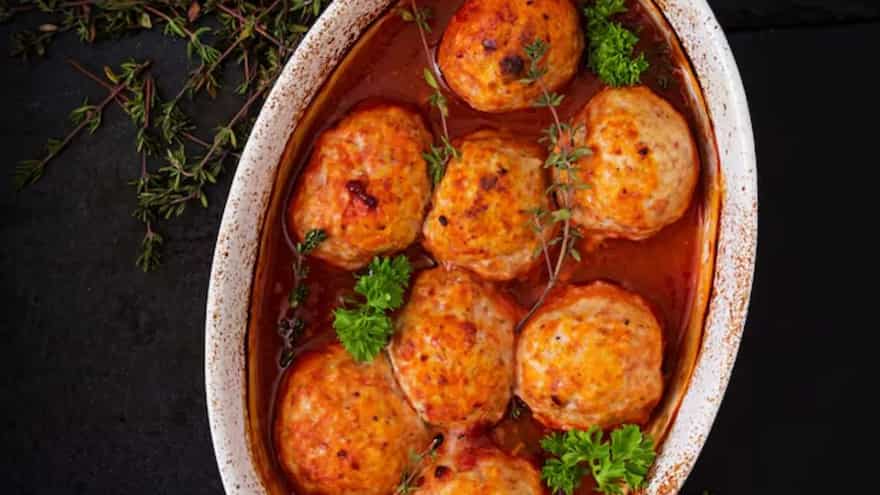
Bengal's kanchkolar kofta gives raw bananas a richer, more detailed treatment. Boiled raw bananas are first mashed with spices, and then mixed with boiled potatoes. The mixture is then shaped into small koftas and fried until golden before being added to a spiced gravy. The koftas are a bit crisp on the outside, with a soft, savoury centre.
The koftas are then simmered for a short span in a ginger- and cumin-based gravy, letting them soak up the spices without turning too soft. The contrast is what makes the dish enjoyable: a lightly fried shell gives way to a soft, savoury centre and spiced gravy. Serve it with steamed rice or luchi; pulao also works well with this.
(Credits: Freepik)
Odisha's Kancha Kadali Besara
Kancha kadali besara is an Odia preparation that sets mustard at the centre of the dish. Raw banana is cut into pieces and cooked with a paste prepared from mustard and seasoned with cumin, turmeric and other seasonings. The pungent mustard gradually mellows as it gets cooked, covering the banana with an earthy, sharp taste while letting its starchy texture remain intact.
Some people also add potato, pumpkin, pointed gourd or drumstick to this. It pairs naturally with plain steamed rice and dalma, while pakhala or a simple dal can also be a good accompaniment for a traditional Odia meal.
Gujarati Kacha Kela Nu Shaak
Gujarati kacha kela nu shaak turns raw banana into a dry or lightly coated sabzi having a distinctly Gujarati character. The banana pieces are cooked with turmeric, cumin, coriander and chilli, while some versions also add sesame, crushed peanuts or jaggery to give it a nuttiness and a gentle sweet-savoury contrast.
The pieces are usually kept in pieces rather than mashed, giving the sabzi a firm bite. It is a natural accompaniment to rotli or phulka, and can also be served with Gujarati dal and rice. The mild sweetness makes it particularly suited to a traditional Gujarati thali.




