


 Share
Share

A home climber that stealthily takes over a fence and then gives you plentiful in exchange – pumpkin is a beloved winter produce. Everyone can agree that pumpkin is a produce that can be included in many Indian dishes, regardless of the part, flower or vegetable or stems in stews. However, what about the leaves? Despite having a subtle appeal of their own, they are always left behind. When you grow a pumpkin at home, the leaves absorb the nutrients of the soil and the peculiarities of the season and have a unique flavour if cooked right.
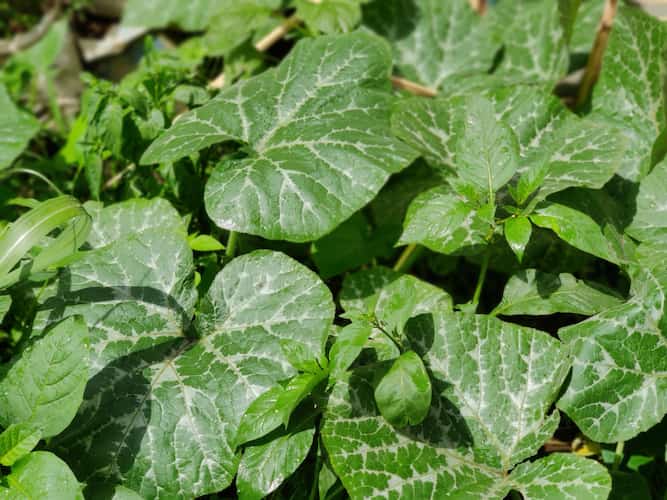
Proper handling of pumpkin leaves preserves their natural flavour and makes preparing them considerably simpler. Selecting the younger leaves is the first step because they are softer, less fibrous and much simpler to clean. To remove the fuzz and any concealed dirt without ripping the leaves, gently rinse them under running water. Then, to maintain a mushy texture, remove the thicker strings that run along the stalk in a single, smooth motion.
These strings may feel tough in a cooked meal. To prevent the leaves from becoming mushy in the pan, let them dry slightly. After prepping, the leaves get ready to be cooked in these exciting dishes.
8 Pumpkin Leaves Dishes To Try This Winter
Kumro Pata Bata
As pumpkin leaves become brittle, Kumro Pata Bata has a stronger, earthier flavour than most foliage pastes. Cooking transforms the bitterness into a soothing and indulgent flavour that blends well with rice. Traditionally, a flat grinding stone that produces a slightly coarse finish is used to grind the leaves into a paste after they have been boiled until they are tender. Slow cooking allows the leaf's taste to develop into a well-balanced intensity. The Bengali custom of "bata" preparations, which involve grinding herbs, vegetables or even dried fish into a concentrated paste, is strongly rooted in this dish. Since pumpkin leaves become creamy when broken down, they function incredibly well in the bata style making. During the winter months, the dish maintains a nostalgic place in many homes, showcasing traditional, sustainable cooking.
Kumro Pata Bora
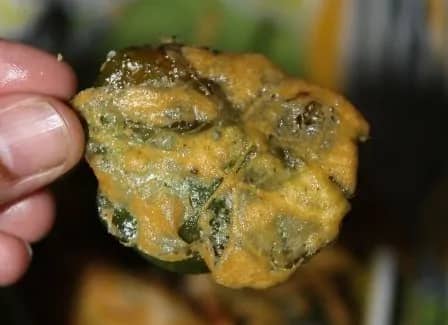
The pumpkin leaves become crisp on the outside while remaining soft on the inside, giving Kumro Pata Bora a mildly toasted flavour. It differs from ordinary vegetable fritters in that it has a savoury depth and a mild bitterness. Before cooking, they are evenly coated after being dipped in a seasoned besan mixture. The heat changes the texture, giving it a sharp bite that accentuates the leaf's structure. Since pumpkin leaves quickly acquire flavour and keep their shape well, they naturally fit into this fritter prep. The crunchy edges of the dish help balance softer meals, which is why it is frequently paired with rice.
(Image Credit: Freepik)
Kumro'r Doga'r Pachmishali
Pachmishali dishes grew from the idea of combining different plant parts into one balanced preparation. Kumro'r Doga'r Pachmishali honours the pumpkin plant's vines, leaves, and stalks, among other softer parts. Because every component of the plant contributes something unique, the flavour is complex. The leaves become smooth, the vines offer a crisp, green flavour, and the stem adds a little crunch. When combined, they produce a dish that is satisfying without being heavy. It must be prepared by thoroughly washing, removing the fibres, and cutting each section into uniform pieces. They are cooked gently so that everything organically combines and softens at the same rate. The Bengali custom of utilising the entire plant rather than just the fruit is exemplified by this recipe.
Kumro Pata Daal
Since adding greens to dal extends ingredients without lowering taste, Bengali kitchens have been preparing variations of this dish for generations. Due to the plant's easy backyard growth and the leaves' year-round availability, pumpkin leaves were an obvious inclusion. The subtle earthiness of Kumro Pata Daal melds well with cooked lentils. The dal gains bulk and a richer, more homely flavour as the leaves melt into it. As it cooks, the faint bitterness becomes muted, leaving the dish smooth and well-balanced.
Kumbra Fish (With Kumbra Leaves)
Pumpkin leaves are used by tribals around Jharkhand when prepping the famous Kumbra Fish to make a mild, earthy base that enhances the flavour of the fish. As the fish cooks, the leaves become a smooth layer that absorbs the liquids and gives the meal a naturally rich finish. The heat draws out moisture and binds the flavours as everything cooks together after the fish is positioned above them. This meal is frequently prepared in communities because pumpkin leaves are easily accessible and serve as a sturdy foundation. Fish and leafy greens have a long history together in many places, particularly where rivers and agriculture converge. The leaves of pumpkin plants, which grow close to dwellings, have a delicate green profile that goes well with fish.
Kumbra Patta Meat Stew
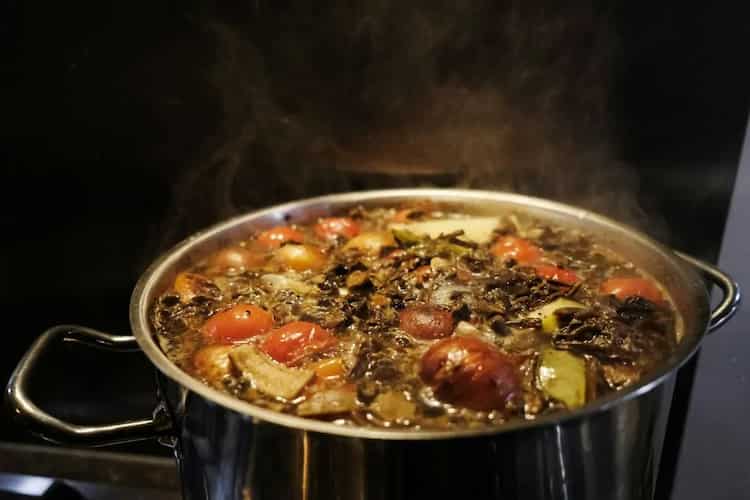
The slight bitterness of the pumpkin leaves is released into the meat, giving the Kumbra Patta Meat Stew a richer flavour and a rich, earthy undertone. To counterbalance the meat's heaviness, the leaves lend thickness and a green warmth as they soften into the stew. The leaves and meat are added to the pot concurrently, and the flavours are allowed to meld over low heat. This recipe is typically seen in homes that appreciate easy, slow-cooked tribal meals made with locally grown ingredients. The technique evolved from everyday, tribal cooking, where greens were added to dishes to make them more substantial. As the stew simmers, the flavour gradually intensifies, adding a combination of mild green depth and meaty richness to every bite.
(Image Credit: Freepik)
Kumbra Patta Mirch Chutney
The chutney has a steady, well-balanced flavour due to the leaf's inherent earthiness, which reduces the spice levels. The first step in making it is to boil the leaves until they are soft. Depending on personal preference, they are mixed with chillies to create a smooth or slightly grainy mixture once softened. As leafy greens make great chutney bases and provide body without requiring a lot of flavour, this technique has been a staple of tribal cooking for many years. They are easy to crush and retain their colour, going well with simple dishes.
Kumbra Patta Steamed Dal Pitha
The pumpkin leaves serve as a natural wrapping and lend the dish a subtle green scent. As the steam softens the dal filling, it cooks within and the leaves, and the flavour remains clean, mild, and somewhat earthy. Cleaning the leaves carefully to ensure they stay intact. Then the leaf is folded over a smooth dal mixture that is positioned in the centre. Both components cook equally while maintaining their shape when steaming.




