


 Share
Share

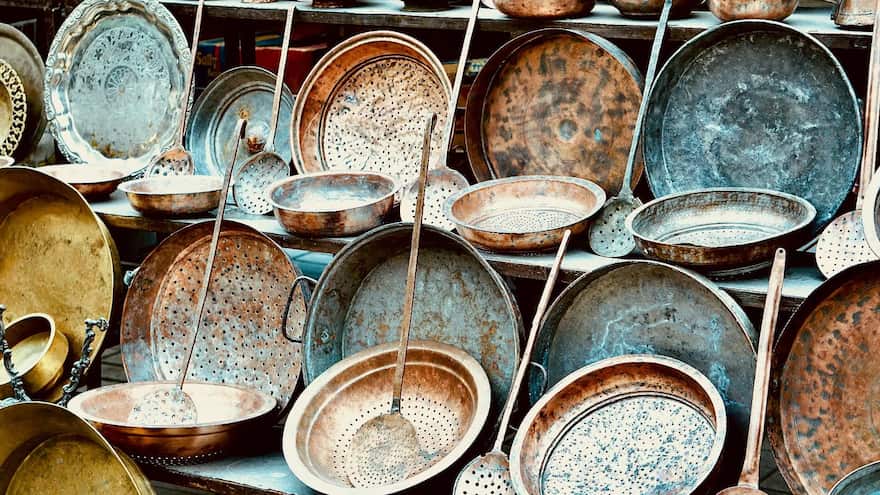
Copper utensils have been used in Indian kitchens for centuries because of both practical and traditional beliefs. In Ayurveda, storing water in copper vessels is said to balance the body and improve digestion. Many households still believe that copper has purifying properties, especially for drinking water. Beyond belief, copper is also an excellent conductor of heat. It heats quickly and distributes temperature evenly, which helps food cook uniformly without hot spots. This even heating can preserve natural flavours and prevent overcooking, especially in sweets as well as slow-cooked dishes.
However, copper is not easy to maintain in its pristine condition. It reacts with air and moisture, which causes the surface to darken and lose its shine. More importantly, copper reacts with acidic ingredients like tamarind or tomatoes, which is why most copper cookware is lined with tin or steel. The lining must be maintained carefully, as it can wear down over time. Cleaning also requires extra effort, as harsh scrubbing can damage the finish. For these reasons, copper utensils demand attention and care.
5 Simple Copper Cleaning Tips Using Everyday Ingredients
1. Clean Copper With Lemon and Salt
Lemon and salt are among the most effective everyday ingredients for cleaning copper because they work without damaging the metal. Cut a fresh lemon in half and dip the exposed side into regular table salt. Rub this directly onto the copper surface using gentle pressure. The natural acid in the lemon reacts with the tarnish, while the salt provides mild abrasion to lift stains without scratching.
Continue rubbing until the dark layer begins to fade and the surface looks brighter. Rinse thoroughly with lukewarm water to remove any residue. Dry the utensil immediately with a soft cloth to prevent water spots. This method works especially well for light tarnish and regular upkeep. It is safe, affordable, and does not involve harsh chemicals. Repeating this process occasionally helps maintain shine and slows down oxidation.
2. Use Vinegar And Flour Paste For Even Cleaning
Vinegar combined with flour creates a simple paste that spreads evenly across copper surfaces. Mix equal parts white vinegar and flour until you get a smooth, thick consistency. Apply the paste generously over the utensil and ensure that all tarnished areas are covered. Leave it undisturbed for about fifteen to twenty minutes so the vinegar can break down oxidation. 
The flour holds the liquid in place, allowing deeper contact with stains. After resting, wipe the surface gently with a soft cloth or sponge. Rinse thoroughly under lukewarm water and dry immediately. This method is useful for large utensils because the paste stays in place without dripping. It also avoids harsh scrubbing, which protects decorative details or delicate finishes.
3. Apply Baking Soda and Lemon For Stubborn Spots
Baking soda is helpful when copper develops thicker or uneven tarnish. Mix baking soda with a few drops of lemon juice until a soft paste forms. The mixture will lightly fizz, which indicates a natural reaction that helps loosen dirt. Spread the paste over dull or stained areas and rub gently with a soft cloth in circular motions. 
Avoid steel scrubbers or rough sponges, as they can scratch the surface permanently. Let the mixture sit for a few minutes if stains are deep. Rinse carefully with lukewarm water and dry the utensil thoroughly. Baking soda acts as a mild cleaner, while lemon provides acidity to dissolve oxidation.
4. Use Tamarind Pulp For Traditional Deep Cleaning
Tamarind pulp has been traditionally used in Indian kitchens to clean copper because of its natural tartaric acid content. Soak a small piece of tamarind in warm water and mash it into a thick paste. Apply this paste evenly over the copper utensil and rub gently with your fingers or a soft cloth.
Allow it to sit for ten minutes before rinsing. Wash thoroughly and wipe dry immediately to prevent moisture marks. Tamarind works well for heavily tarnished pieces that need deeper cleaning. This method is chemical-free and especially suitable for utensils used frequently in cooking.
5. Always Dry And Store Copper Properly After Cleaning
Cleaning copper is only half the process; drying and storage are equally important. After rinsing, wipe every part of the utensil with a soft, absorbent cloth. Leaving water droplets on the surface can cause dull patches and speed up oxidation. Make sure handles and joints are completely dry. 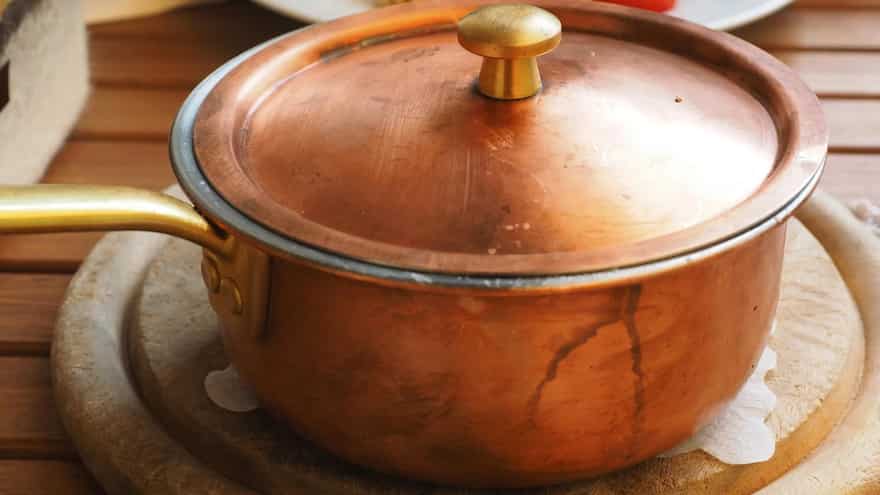
Store copper utensils in a dry, ventilated space away from constant humidity. Avoid stacking them directly against other metal cookware, as contact can cause scratches. If storing for a long time, wrap them lightly in soft cloth to protect the surface. Proper drying as well as storage reduces the need for frequent deep cleaning and helps maintain shine. With consistent care, copper utensils remain bright and functional for years without excessive effort.




