Share


Every year, a few days before Karwa Chauth, a certain kind of anxiety settles over first-timers. Newly married couples are often doomscrolling, video-calling their mothers and grandmothers, and asking the same questions. What should I eat before sunrise? What if I feel dizzy without having a sip of water? What if I get a headache at 3 PM? What if the moon doesn’t show up?
And while ChatGPT seems to have all the answers, no knowledge comes close to that of women who have been fasting for years and decades. Since they have fasted through pregnancies, power cuts, bereavements, and even Zoom meetings, this Slurrp exclusive is all you need before observing the nirjala vrat.
As a recently married woman myself, I can say that talking to these women helped me overcome my fears. So, if you’re still wondering what should be on your Sargi thali, and what to eat after the moonrise, here’s the playbook by women who’ve been through the same feeling.
Sangeeta Verma, Married In 1982
Sangeeta, a retired school teacher, observed her first Karwa Chauth a few weeks after her wedding. She remembers her mother-in-law waking her up at around 4 in the morning and passing down a plate of phenia, mathri, and cut fruit. “Nobody explained anything; I just watched older women and copied them,” she says. “It was like any other fast, a tad bit difficult since I couldn’t drink water till the evening prayer, but it wasn’t as big a festival as I see nowadays.”
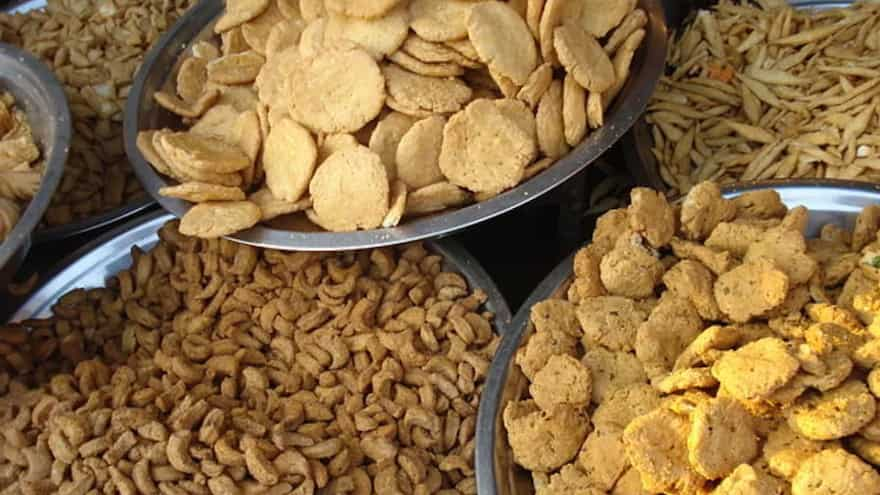
Image Credits: Wikimedia Commons
There were no phones and no moonrise timetables. The women on her street climbed to one rooftop, passed the thali around for the katha and waited. Some years the moon came up at eight, some years closer to nine. “We sang until it did.”
She fasted through both pregnancies, which she now calls reckless. “Nobody asked a doctor then. I was dizzy by afternoon and too proud to say so,” she reminisces. Her advice to a first-timer is short: don’t fast to prove something. If your body says stop, have something to drink, but prioritise your health.
Priyanka, Married In 1996
Priyanka, a homemaker, learned this one the hard way. In her first year, she was nervous and half asleep, so she nibbled a biscuit before dawn and went back to bed. By four in the afternoon, her hands were shaking. Her sister-in-law gave her a look she still remembers. “The sargi isn’t decoration. It’s fuel.”
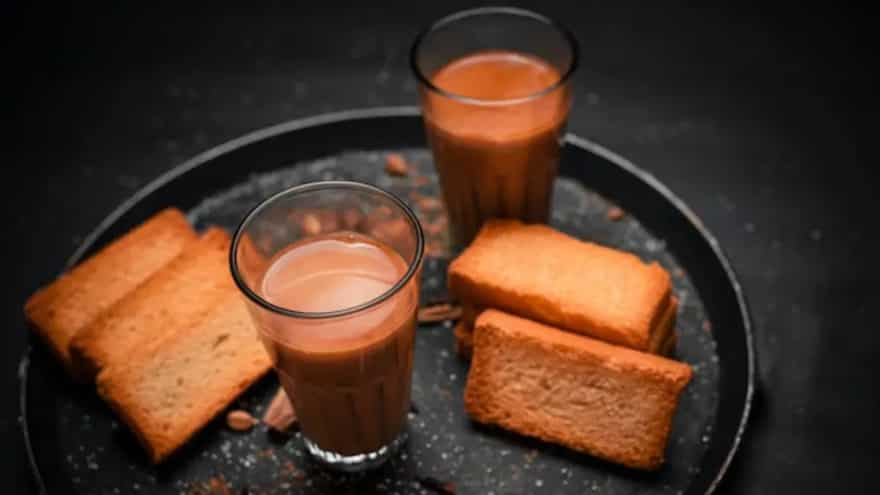
Image Credit: Unsplash
Some decades down the lane, she has a routine. She eats a paratha with curd, a handful of nuts and a couple of dates, and drinks a big glass of water. No tea afterwards, because it makes her thirstier. “I cannot go about my day without chai, but I skip it on Karwa Chauth,” she admits. “Instead, I have a big mug of adrak vali chai in the evening after the katha.
She is just as particular about the end of the day as well. After the moon rises, my husband makes me drink a couple of glasses of water first, we share a mathri on the balcony, and then we have a light dinner. “My favourite bit about Karwa Chauth is finding an ice cream cart, and biting on an icy-cold orange bar after my husband and I are done with dinner.
Her advice: go to bed early the night before and keep your hands busy in the afternoon. The idle hours are the worst ones.
Ritika Sachdeva, Married In 2024
Ritika’s first Karwa Chauth was in 2024, in Dubai, soon after her wedding, and she still remembers every detail. The night before, her husband arranged for a henna artist to travel from another Emirate to their home, and she sat for hours while designs spread over her hands and feet. They overslept the next morning, which she counts as a mistake, since sargi is meant to be eaten before sunrise while the stars are still out. They made gobi parathas together and had a cosy Sargi thali. “And yes, my husband fasts for me every year too.”
“I grew up watching my mother go absolutely bonkers with excitement for Karwa Chauth every year,” Ritika says. Her in-laws’ family doesn’t observe the fast, so she follows her mother’s thali: a stuffed paratha, nuts, sweets, meethi pheni and, last year, a bowl of vermicelli. Nuts and seeds matter most to her. For a first-timer, she’d build the plate around them, with watermelon, oranges or cucumbers, sautéed paneer vegetables, and yoghurt. The aim is food that releases energy slowly. Water is where she admits her limits. She can manage a glass or a glass and a half that early, then goes back to sleep and wakes up thirsty anyway. “My body just doesn’t cooperate at that hour.”
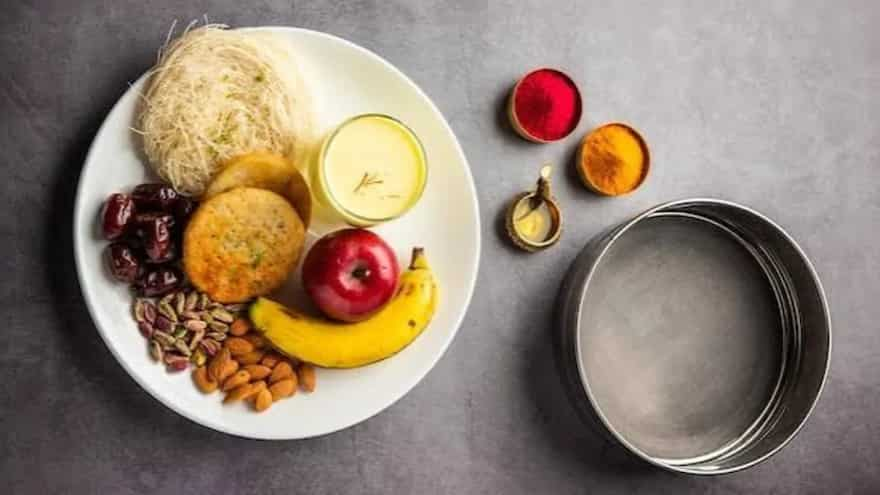
Image Credit: Magnific
The moonrise is where she says first-timers panic, and where she still slips herself. “I forget when to look at the moon and when to throw the diya, so a call to my mum has become part of my Karwa Chauth tradition.” Her husband then feeds her a sweet bite and a sip of water. After the fast, she avoids anything very sugary first. Hydrate, eat something fresh like a salad, then have a proper meal.
Her advice is to buy the best outfit, photograph everything and let your husband spoil you. She also suggests wearing a new perfume all day, because scent is tied to memory: “one whiff and you’ll be right back in your first Karwa Chauth.”
Kusum Shastri, Married In 2024
This is Kusum’s second Karwa Chauth. Before her first, she wondered whether she could get through a full day without water. Her elder sister introduced her to the tradition, but she says she decided to fast “out of my own faith and choice.”
Her sargi thali is simple, with sweets, dry fruits and a glass of milk. Before sunrise, she also has a glass of coconut water. Her one rule for beginners is not to experiment. Eat what you already know your body handles.
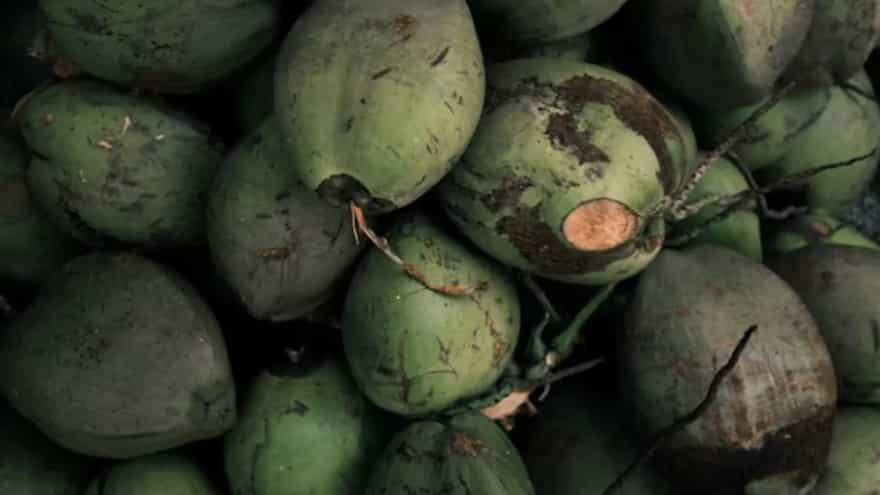
Image Credit: Pexels
After moonrise, they offer arghya and perform rituals using the traditional wedding nose ring. She looks at the moon through the sieve, seeks her husband’s blessings, and only then looks at his face and breaks the fast. She starts with small sips of lukewarm water, then something light like a sweet.
“Having my husband by my side makes the experience feel like a celebration of togetherness rather than just a ritual,” Kusum says with glee. Her advice to a new bride is plain. Fast because you want to, not because of pressure and do not feel compelled to observe a nirjala vrat if it is unsuitable for your health.
Aditi Sarasawat, Married In 2025
Aditi, the youngest amongst the women Slurrp interviewed, will observe her second Karwa Chauth this year. Karwa Chauth is kept in both Aditi’s mother’s home in Varanasi and her husband’s family’s home in Bhopal, so she grew up watching her mother do every ritual. After her first vrat, she says, “I realised the value of water and waiting for the moon felt like an eternity.”
Her family’s sargi has apples or bananas, a sweet, dry fruits, a packet of namkeen, and paan. For a beginner, she suggests a fruit chaat, dry fruits, coconut water and a glass of milk to stay energised. Before sunrise, she fills a bottle and drinks until it’s half finished, or as much as she can.
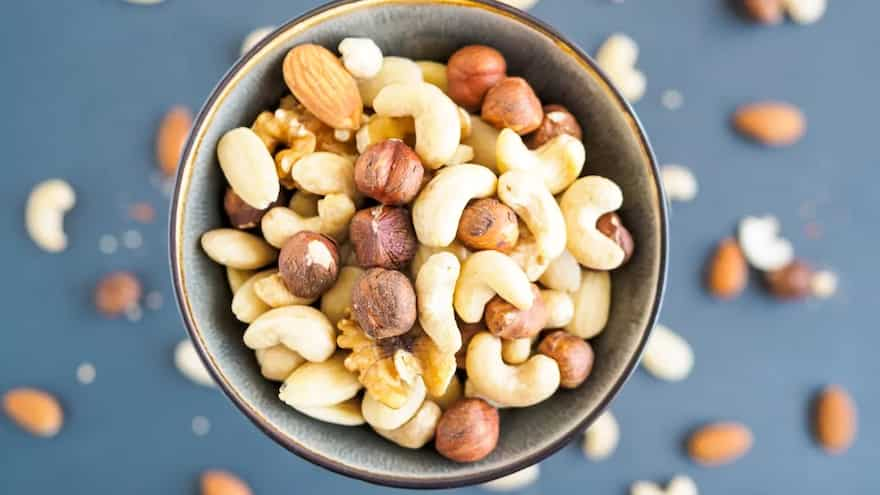
Image Credit: Adobe Stock
She is practical about the evening. Start getting ready at least an hour before the puja, because there is a lot to do and you’ll want to look your best. Get your photos taken early rather than waiting for moonrise. Follow your own home’s rituals, and when the moon comes up, look through the sieve and take water from your husband’s hand. She breaks the fast with prasad, usually gulgula and matthi, then water. “Don’t give in to your cravings for something spicy or too oily,” Aditi recommends.
She grew up seeing her father make tea for her mother while she waited for the moon. Her husband’s version is taking over chores on the day so she isn’t left with everything alone. Rather than focusing on what to do on the day of Karwa Chauth, her tips start the day before. “Go easy on oily and spicy food to avoid acidity, and drink plenty of water just before bed,” she advises. “During the day, have some fruit and coconut, and if you can, add curd and lauki ki sabzi to keep your gut cool.”