


 Share
Share

Humayunpur has always been the kind of Delhi neighbourhood that you could walk past without giving much attention to it. Situated inside South Delhi’s Safdarjung Enclave, its narrow lanes and closely packed buildings barely look like the location that can have one of the city’s most interesting food scenes. That changed quietly as people from the Northeast began moving into the area to get work and education, bringing along with them their food traditions, ingredients and eventually their own pantry with them.
At present, Humayunpur has more than 50 eateries and food businesses in its lanes, with Naga, Manipuri, Mizo, Assamese, Tibetan and other Asian cuisines finding their space alongside each other. In 2026, Time Out put Humayunpur at No. 16 on its list of the world’s coolest neighbourhoods, identifying its food, independent businesses and community bonding. However, the real charm is something else: this is a neighbourhood where a grocery shop can guide you to fermented bamboo shoots, a tiny kitchen can serve a Naga thali, and one turn can take you to Manipuri black rice.
Axone: The Naga Flavour To Seek Out
If there is one ingredient that explains why Humayunpur feels distinct from a traditional Delhi food hub, it is axone, a fermented soybean ingredient that is widely used in Nagaland. Its earthy, spicy, pungent aroma and deep savoury nature can be totally different from the flavours typical in mainstream Delhi food.
At Hornbill, one of the area's very first Naga restaurants, axone is used with bamboo shoot and some regional spices to make dishes built around fermentation rather than heavy gravies. If you are a first-timer, the flavour can take a little to get used to, but that is also what makes it enjoyable; it offers a natural taste of Naga home-style cooking rather than a toned-down version made for an Indian menu.
Manipuri Thali: A Whole Meal In One Plate
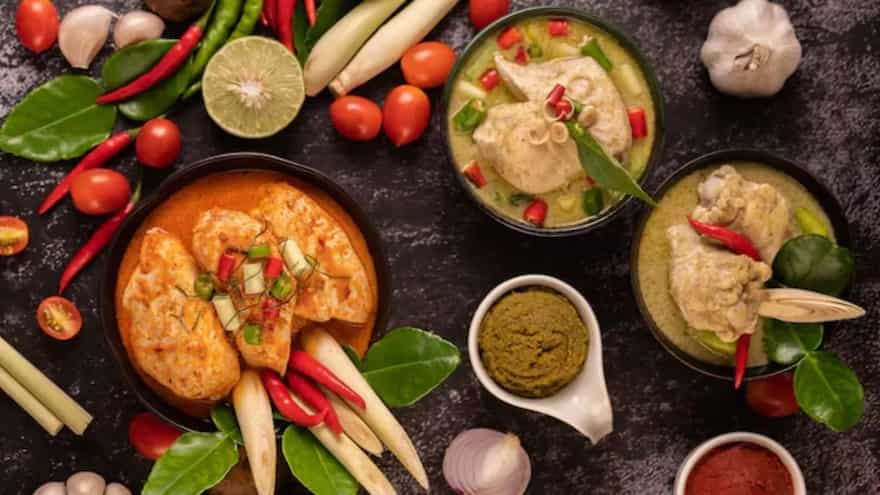
Humayunpur is also one of the areas in Delhi where Manipuri home-style food can be explored just beyond a single dish. A Manipuri thali has several flavours and textures, often pairing rice with dishes such as hawai thongba, eromba, seasonal vegetables, dal and meat or fish. Eromba, especially, shows how the cuisine can make intensity without depending on restaurant-style richness, bringing vegetables, chillies and fermented ingredients all in one place.
At Categorical Eat Pham, the thali format gives the diners a chance to taste many parts of Manipuri cooking all at once rather than guessing and picking one unfamiliar dish from the menu. It is less about spectacle and more about knowing how an everyday regional meal is placed and enjoyed together.
Mizo Sanpiau: Rice, Meat And Comfort In A Bowl
For something lighter, sanpiau gives a glimpse into Mizo cooking through its rice-based preparation that sits somewhere between a congee, which is a soft rice porridge that is traditionally cooked until the grains break down, and a comforting one-bowl meal. The dish is prepared with rice and topped with meat and other garnishes, making it much softer and simpler than the fiery dishes associated with some Northeastern cuisines.
Lushai in Humayunpur serves sanpiau along with other Mizo dishes, including satuileih, a meat preparation that is cooked with lai xaak, a leafy green commonly used in Mizo cuisine. What makes it worth trying out is just its restraint: instead of relying on a long list of spices, Mizo cooking in this style lets meat, greens, herbs and the cooking broth remain recognisable.
Assamese Fish Tenga: A Sour Note In The Middle Of Delhi
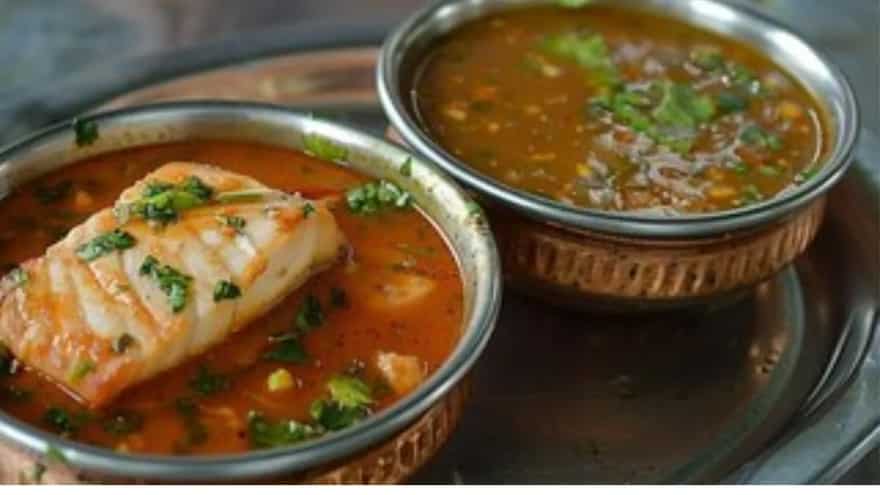
Assamese food adds another layer of taste profile to the Humayunpur trail, and fish tenga is a good illustration of why it earns its own stop. The dish is a light, tangy fish curry in which sourness is the main star rather than the rich, creamy gravies more commonly linked with restaurant food.
At Oh! Assam, fish tenga is placed alongside Assamese staples such as aloo pitika and dal-based chutneys, letting diners build a meal around several contrasting textures as well as flavours. The attraction here is the clarity of the cooking: a simple fish preparation, a sharp sour note and uncomplicated sides can make the meal feel completely different from what Delhi usually calls a fish curry.
(Credits: Freepik)
And Then There Is The Pantry
One of Humayunpur’s most impressive details is that the food story does not just end at the restaurants. Its grocery shops and small food stores have bamboo-shoot pickles, bhut jolokia, dried fish, meats, regional herbs, Korean noodles and Northeastern ingredients that are usually difficult to find in a usual Delhi market.
Some shops also serve as takeaway counters. This is what makes Humayunpur feel like more than just a lane with a cluster of restaurants. You can eat a regional meal, buy the ingredient that made it taste unfamiliar and then explore another pantry store on your walk back. The neighbourhood's food culture is not staged for tourists; it has grown from everyday neighbourhood life.
Why Humayunpur Is Worth The Food Detour
Humayunpur’s rise is not actually about Delhi discovering the Northeast overnight. The neighbourhood’s food scene evolved alongside the communities that made it feel like home, with older buildings paving the way for newer restaurants, cafés and independent food businesses.
Its recent global recognition has just put a spotlight on something Delhi’s food lovers have been finding for years. Come for the axone, stay for a Manipuri thali, pick up a jar of bamboo-shoot pickles on your way back, and you begin to know why these narrow lanes have become one of South Delhi’s most unique food locations.




