


 Share
Share

Guava develops a fuller, more rounded taste in winter because the fruit ripens slowly and builds a balance of sweetness and gentle acidity. Its aroma becomes stronger in the colder months, and the flesh turns firm enough to hold shape while still offering a soft bite. This seasonal character makes guava one of the most versatile winter fruits in eastern India, where it is eaten fresh or added to dishes for a natural lift in flavour. Many households value guava for its ability to bring brightness without overwhelming other components.
In Jharkhand, local and tribal communities have long recognised how well guava fits into savoury cooking. They often use the fruit to add body and light tang to everyday preparations, showing how a familiar fruit can serve more than one purpose. These communities treat guava as an ingredient that adapts easily to both cooked and uncooked dishes because its structure remains stable when heated. This quality has helped guava become part of regional curries and pickles, giving them a refreshing undertone that complements winter meals. The practice reflects a broader understanding of seasonal produce and how fruits can enhance dishes outside their traditional uses, making guava a meaningful part of winter cuisine.
Hacks To Use Guava In Curries And Pickles
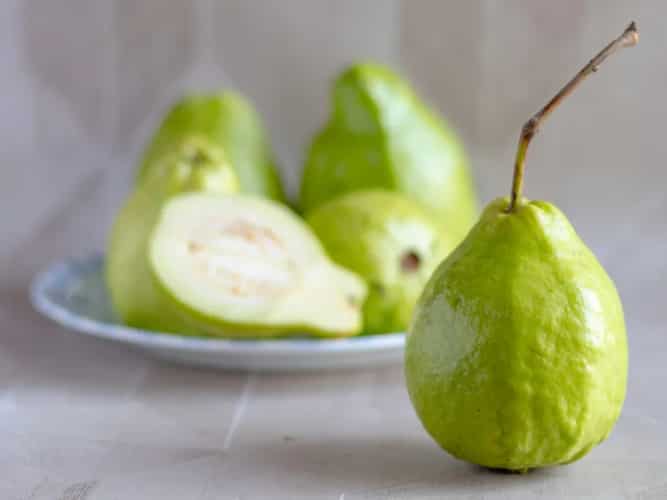
(Image Credits: Freepik)
1. Using Guava Purée For Kheer
Guava purée adds a soft, floral sweetness to kheer, especially when made from winter fruit that has a fuller aroma. Jharkhand homes sometimes blend ripe guava into warm desserts to create a gentle fruity note without making the dish heavy. The purée thickens naturally and gives kheer a creamy texture that is seasonal and comforting. A mild tang from the fruit keeps the sweetness balanced, which works well when the dessert needs more character. A helpful approach is to strain the purée so the seeds do not interrupt the smooth consistency. The purée blends easily into milk-based dishes, making it a subtle but effective flavour booster.
Read More: 7 Easy Guava Desserts You Must Try At Home
2. Using Sun-Dried Guava For Deep-Flavoured Pickles
Sun-drying guava intensifies its flavour and creates a firm, leathery texture that handles strong spices well. Jharkhand’s tribal communities often dry fruit during winter when sunlight is sharp and steady, allowing the slices to develop concentrated sweetness and acidity. These dried pieces work beautifully in pickles because they absorb masala slowly and hold their structure through long curing periods. The drying process also preserves the fruit for months, making it a reliable addition to homemade pickles.

(Image Credits: Freepik)
3. Using Overripe Guava To Add Depth To Stews
Overripe guava softens quickly and melts easily into warm liquids, which makes it ideal for adding depth to stews. Jharkhand locals often use such guava when they want natural sweetness without sugar and a thicker texture without heavy ingredients. The soft fruit breaks down during simmering and blends seamlessly into the broth, giving it a fuller body. Overripe guava also contributes gentle acidity that brightens slow-cooked dishes while keeping them earthy. A good practice is to mash the fruit lightly before adding it so it disperses evenly.
4. Using Lightly Roasted Guava For Tribal Curry And Lentil Dishes
Lightly roasting guava changes its profile completely, giving the fruit a gentle smoky edge that fits naturally into savoury dishes. In Jharkhand, many local and tribal households begin by slicing ripe but firm guavas in half, then placing them cut side down on a low flame or over hot embers. The heat caramelises the exposed surface, creating a thin golden layer while softening the flesh just enough to release aroma. This controlled roasting keeps the fruit intact so it can be chopped, diced, or mashed depending on the dish.
Kurthi dal (horse gram) is commonly paired with light vegetable mixes. Adding mashed roasted guava gives a mild tang and smoke that softens dal’s natural earthiness. Leafy mixes cooked with root vegetables often include small pieces of roasted guava to balance bitterness. This variation appears in seasonal dishes sometimes referred to as Amrud saag bhujia in tribal homes.
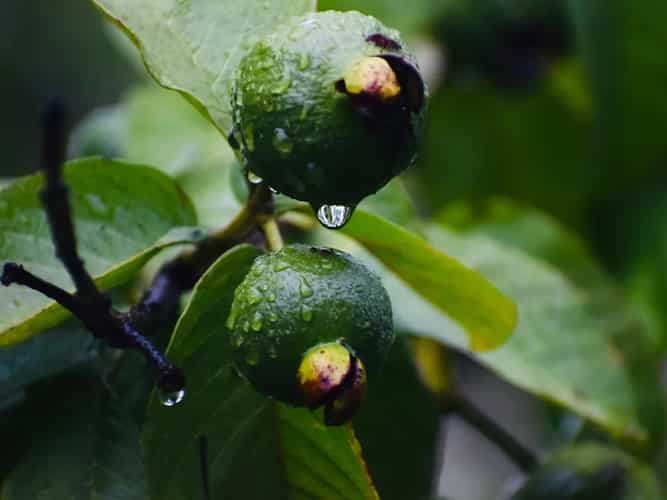
(Image Credits: Freepik)
5. Using Guava Blended With Milk And Jaggery
Blending guava with warm milk and jaggery creates a naturally comforting winter drink that many Jharkhand households enjoy for its gentle sweetness and smooth texture. The fruit’s seasonal richness works well here because winter guava has a fuller aroma and balanced acidity, which mixes cleanly into milk without overpowering it. Tribal communities often pair guava with jaggery since both ingredients develop their best flavour in colder months, giving the drink a mellow depth that feels grounding. The combination also highlights how local kitchens turn everyday produce into versatile beverages.




