Share


Every November, the kitchens in Northern India start doing double duty as pharmacies. The servings of haldi vala doodh increase, and the kadha pots keep simmering for longer than usual. Grandmothers pass on a spoonful of ghee with every meal; the WhatsApp-forwarded messages go on about how gud can clean the lungs.
When the sky is the colour of weak chai, and you can taste the air, it makes sense to reach for the one thing you fully control: what's on your plate. However, it makes you feel a bit like giving up on the situation. Since air purifiers are still a luxury that not many people can afford, a grim joke has gone round the city: diet is all we are left with.
So, to fact-check the popular desi nuskhe before making a conscious shift of ingredients on the plate, Slurrp interviewed two experts. Ms Meena Kumari, Chief Dietitian at Sarvodaya Hospital in Faridabad, with 23 years of experience in clinical nutrition and Dt Sakshi, who heads Nutrition and Dietetics at Fortis Hospital, Jalandhar, and is a certified diabetes educator who works in critical care and renal nutrition. We asked both the same thing: can the Indian kitchen really fight back? Read on to find out.
Also Read:
The Kitchen Versus The Smog
You can walk into a Delhi kitchen right now, and the spice rack will tell on you. You’d notice the haldi jar has been moved to the front, ginger has been crushed, tulsi leaves have been plucked, and the mulethi that was sitting in the back is now in the spotlight. Since food is one part of the pollution problem that is entirely in your control, that’s pretty much what every household is doing.
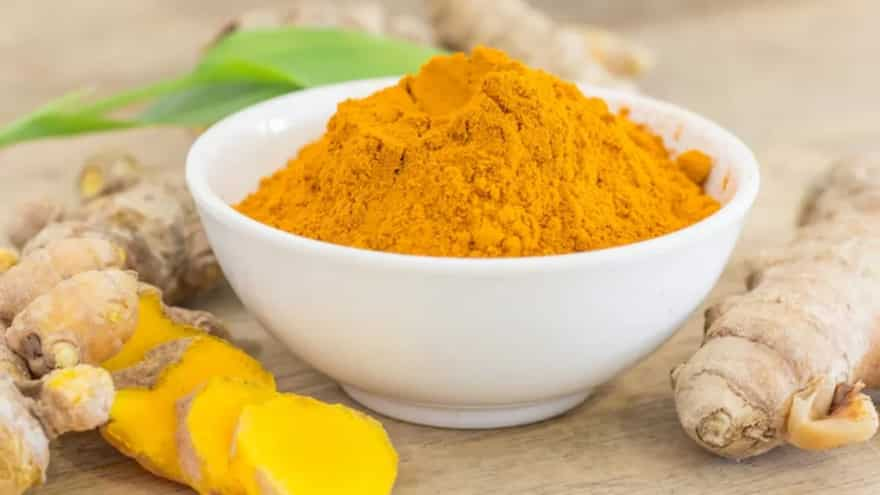
Image Credit: Magnific
However, the trouble starts when affection for a food becomes a claim about what it can do. Both dietitians kept drawing that line. Ms Kumari put it in one sentence: we should "distinguish between supporting overall health and claiming that an ingredient can remove pollution from the lungs."
Her list of what does work is practical and a bit unglamorous. More than the diet, she recommends a properly fitted N95 mask, an air purifier with a suitable HEPA filter, and less time outdoors. “Diet is an important supportive measure, but it cannot act as a shield against the rising AQI,” Sakshi adds.
The Desi Nuskha Report Card
Reviewing the popular desi nuskhe that most Indian households swear by, here’s the gist of which ingredients are worth adding to your diet.
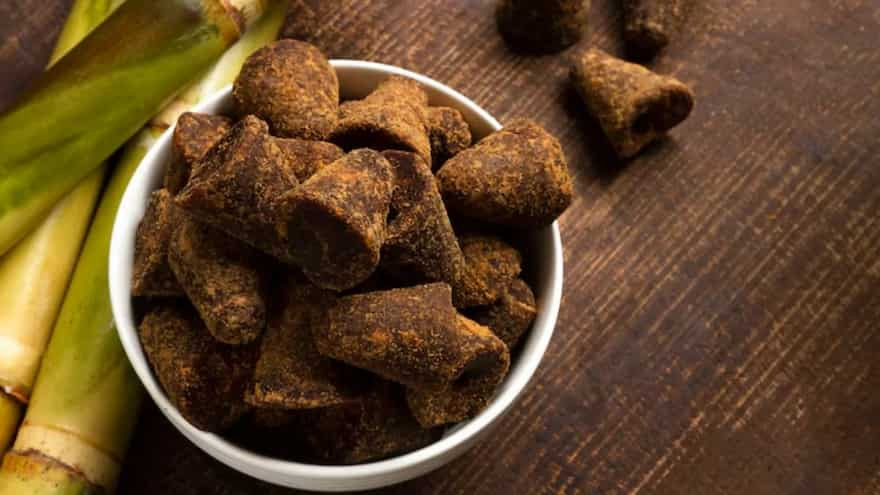
Image Credit: Magnific
Different People, Different Plates
Instead of handing out a one-size-fits-all guide, Meena highlights that some age groups are more vulnerable to air pollution than others. Here’s what each needs to watch:
- Children need adequate amounts of protein, calcium, iron, and vitamins A and C for growth and immune development.
- Older adults should focus on nutrient-dense meals rich in antioxidants, high-quality protein, fibre, and adequate fluids.
- People with asthma and other respiratory issues should maintain a balanced diet rich in fruits, vegetables, nuts, and omega-3 sources.
- Pregnant women need sufficient folate, iron, protein and other essential nutrients for maternal and foetal health.
Diet Plan On A Delhi Budget
Without adding any imported berries or superfoods to your grocery list, here is a sample budget-friendly diet shared by experts.
What The Plate Can't Do
To sum up, is it true that a typical Indian kitchen can fight back Delhi’s rising AQI? Yes, it can, but only as a supporting act. You can get your vitamin C from guavas, polyphenols from amla, and fibre from fruits and millet. However, what your plate can’t do is filter the air. So, while the smog can’t read your menu, a balanced diet and a well-hydrated body are better prepared for the highly polluted air. All in all, the experts urge you to eat the guava, but don’t stop asking for cleaner air to breathe.