


 Share
Share

French chefs rely on it to produce glossy, stable consommés that retain their shape and temperature like a well-managed project. It is used in South Asian and Middle Eastern soups to level out spices and prevent harsh or disjointed flavours. As collagen adds body without adding flavour, it elevates the entire bowl, giving soups a rounder mouthfeel, a more stable texture and a cohesion that seems deliberate despite remaining absolutely invisible.
5 Hacks To Try On When Adding Bone Collagen Or Gelatin In Your Homemade Soups
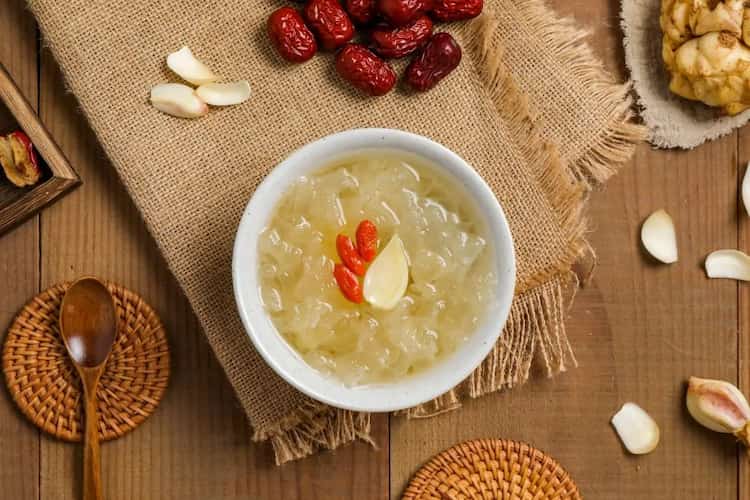
1. Melt It Slowly For A Smoother, More Cohesive Broth
The first hack is all about being patient because collagen is not very flexible when in solid form – it requires careful handling when added to soups. If added in too quickly, it will clump, float, or make weird pockets that won't mix. First, let it melt slowly in a little bit of simmering broth and sit for a while in the liquid. Pour the base back into your main pot after it has dissolved. You also don't have to deal with the strange, rubbery strands that happen when collagen has expired. The broth stays hot longer when it melts slowly. This is a small change that you might not notice until your soup doesn't cool down.
2. Build Layers By Adding Collagen At Two Different Stages
This trick makes a smoother soup without adding weight by taking advantage of the natural bond between collagen and fat. Collagen with a small amount of warm fat combine to form a soft emulsion that more evenly distributes taste. Remove a tablespoon of fat from your cooking pot at the beginning of the cooking phase to give this a try. In a small pan, place it over a low heat and stir in your collagen or bloomed gelatin until the two combine. As a result, the base becomes smoother and more easily incorporated into the soup. The fat facilitates the protein’s molecular interactions with other ingredients when you reintroduce the combination to the main pot. The soup creates a cohesive texture that remains stable even after cooling, keeps a cleaner appearance and prevents surface separation.
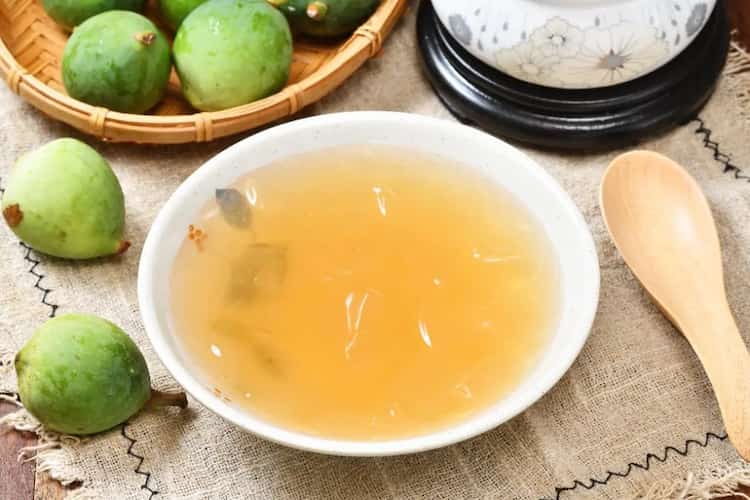
3. Use Collagen As A Temperature Buffer For Better Reheating
This tip helps achieve taste accuracy by timing the addition of collagen in a cooking process. When collagen is added too soon, the fatty texture of the gelatin blends unevenly, which can somewhat change how the salt and spice are perceived in soup. Adding the gelatin before heating gives you more control over the dish's balance and guarantees that the final texture and taste match. Once the base has formed, warm up some broth, fully dissolve your collagen, and add it to the soup. Before tasting, give it a minute to thoroughly integrate. Changes in flavour are more predictable since the thicker body distributes salt and spices more evenly. By using this technique, over-seasoning is avoided, which frequently occurs when collagen is added later and changes the distribution of flavours.
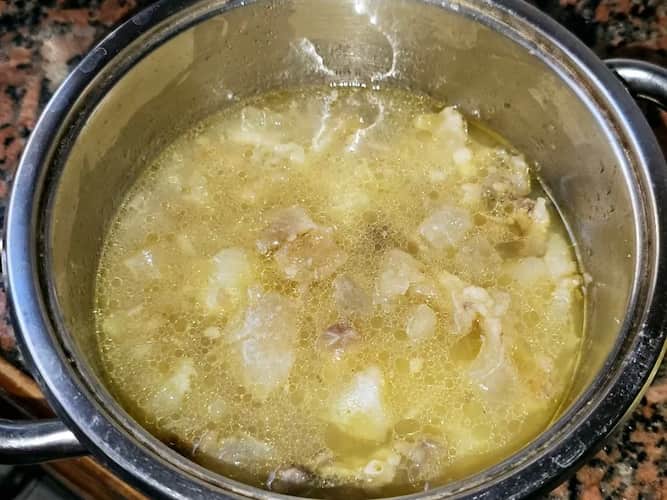
4. Anchor Floating Garnishes And Toppings
This hack makes use of gelatin's structural and moisture-retaining properties. Add a tiny bit of gelatin to the water used to blanch vegetables for soup. It helps the vegetables retain their colour during cooking by forming a thin protective layer around them. Even after cooking in broth, this preserves the colour of green beans, carrots or leafy vegetables. The protective coating keeps the vegetables from losing their colour too quickly once they are in the soup pot and keeps them soft without becoming mushy. The ultimate texture of the soup is influenced by the gelatin’s natural dissolution into the broth. Instead of blending into a dull combination, it produces a cleaner, more balanced appearance where each veggie visually stands out.

5. Blend Directly Into Puréed Soups For Extra Smooth Texture
The management of spices is the main focus of this hack, particularly for soups that employ powdered spices. Before adding your spice mixture to the stove, stir in a pinch of collagen powder. In order to prevent the spices from dispersing unevenly or producing acute pockets of concentrated flavour, the collagen helps them stick together a little. This aids in even dispersion when added to hot oil or broth. Powdered spices are kept from rising to the top or sinking to the bottom thanks to this regulated release. It also reduces the possibility of spices clumping when they come into contact with liquid, guaranteeing that the seasoning blends seamlessly, providing your soup with a steady flavour progression from beginning to end.




