Share
Share

Bidding goodbye to the scorching heat, the nip in the air surely feels refreshing. But with it comes an uninvited guest - a runny nose and an irritated throat. Just around the time when you take out the woollen clothes and blankets from the cupboard, your pantry also demands a change in ingredients as the season shifts.
While allopathic tablets and syrups are always in your medicine cabinet, nothing can match the power of desi nuske. Traditionally prepared kadhas and herbal teas, grandmothers across the country still have the recipes by heart that can relieve you of the dry cough and stubborn cold.
Scroll through the collaborative inputs of my paternal grandmother (dadi), Rani Johar and maternal grandmother (nani), Usha Chugh and get relief with natural ingredients and home-style recipes.
The Changing Season Pantry
Almonds

Image Credit: Freepik
An ultimate source of healthy fats and vitamins, almonds are a must-have during the changing seasons. Soak at least 5 almonds overnight, peel them, and have them in the morning to keep the body warm and also fight the winter dryness.
Munakka
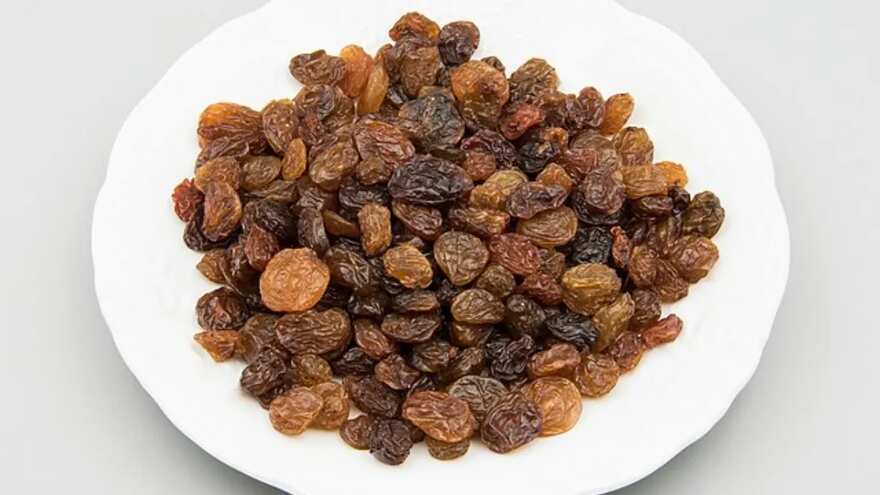
Image Credit: Wikimedia Commons
If you have a persistent dry cough, munakka can take care of it naturally. The affordable superfood coats the throat and helps to heal it faster. You can take 2-3 munakkas, remove their seeds, and stuff them with whole black peppercorns (kali mirch). Chew them for an instantaneous soothing effect before going to bed. Just remember not to drink water immediately after eating munakkas to avoid washing down the coating in the throat.
Shehad
Shehad, or honey, is a natural throat-soother. You can take a spoonful of honey as is, or as my dadi recommends, add a little ginger and kali mirch to shehad and have it whenever you’re having a dry cough.
Ajwain
For people suffering from a cold or congestion, ajwain can do wonders. Just take some warm water, add ajwain, and drink the infusion. You can also inhale the steam of boiling ajwain water to get relief from a blocked nose.
Kali Mirch
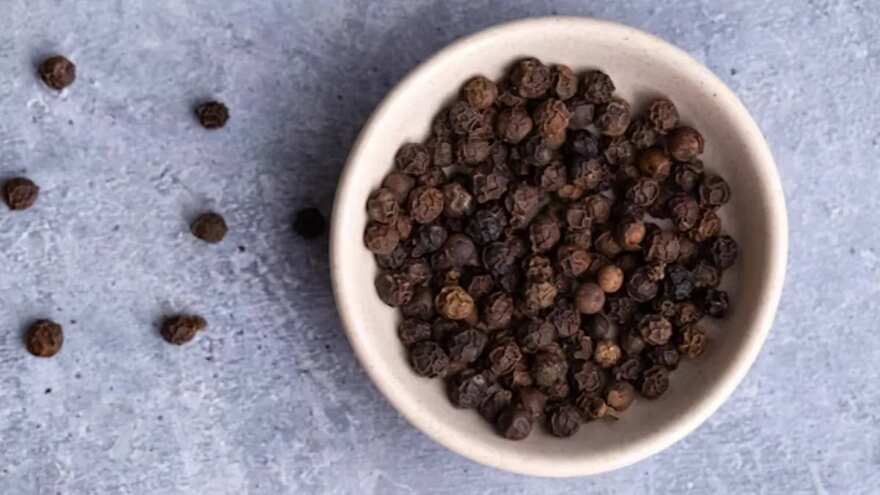
Image Credit: Unsplash
Black pepper, or kali mirch, helps break mucus and give relief from congestion. It also enhances the absorption of the healing compound present in haldi, called curcumin.
Ginger
The root vegetable, ginger, or adrak, is a popular anti-inflammatory. Apart from adding grated ginger to your tea, during the changing season, you can also add it to your dal and sabzi.
Amla
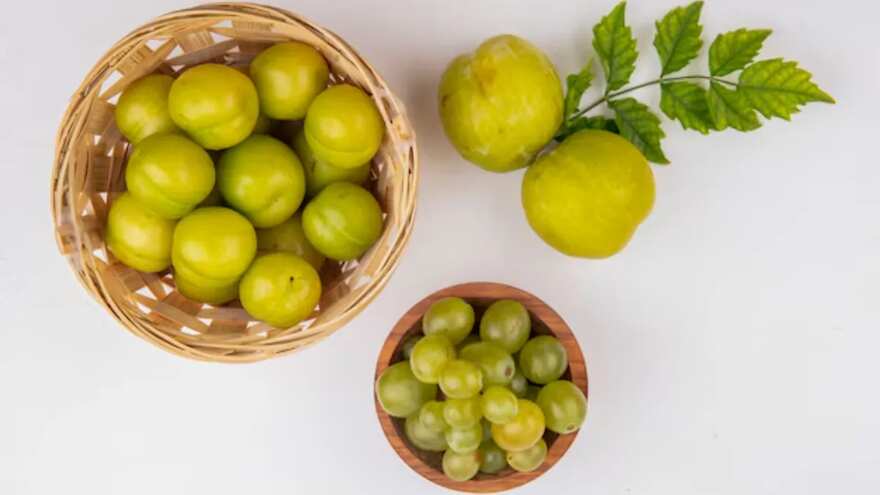
Image Credit: Freepik
An impeccable source of vitamin C, amla is a great ingredient you have to add to your winter pantry. You can have amla in various ways, like amla chutney, as a sweet paste, or a kid-friendly amla candy that is usually coated with powdered sugar.
Nutmeg
Nutmeg, or as known as jaiphal in Indian homes, is another kid-friendly ingredient. Just rub a tiny pinch of nutmeg on a clean stone with a drop of milk, and give it to babies for a calm sleep and soothe the symptoms of a cold.
Mulethi
Mulethi, also known as liquorice root, is nature’s own cough drop. The naturally sweet ingredient helps to soothe an irritated throat. You can chew it before going to bed and reduce the dry cough, and get a good night’s sleep.
Healing Beverages: Kadhas, Chai, Doodh, & More
When you're feeling under the weather, try these granny-approved desi beverages.
Tulsi Adrak Kali Mirch Chai
This is the OG herbal tea to start your day. To make it the way grandmother does, start by boiling tulsi leaves in water. Add ginger, 2-3 crushed kali mirch, and give it a boil. For people who prefer black tea, they can have it as is; others can add milk and sugar to like their regular chai.
Haldi Doodh
The changing season brings with it body aches and dysphoria. To fight the pains, drink this golden elixir. Mix some haldi powder in cold milk to make a paste. Then, add the rest of the milk and sugar, and bring it to a boil. Sip the milk before going to bed or early in the morning.
Water Infused With Ajwain & Saunf
An instant fix to the sluggish feeling in the winter season, you can boil some water with a teaspoon of ajwain (carom seeds) and saunf (fennel seeds). Strain the water and sip it throughout the day.
Kadha
Nanis and dadis are known for their kadhas, which aren’t too yummy but do the perfect job of fixing cough and cold. To make it home, you can crush 10-11 black peppercorns, add 2 spoons of sugar, and ¼ cup of water. Cook the ingredients on a low flame till it has a thicker consistency, and your kadha will be ready.
Besan Ka Sheera
A traditional desi remedy for sore throats and a runny nose, besan ka sheera is a time-tested option. Just roast besan in ghee and pour in milk while whisking constantly. Add sugar and bring it to a boil. Drink the warm and thick sheera before you sleep.
Kahwa
To make this detoxifying brew, boil some moringa leaves, tulsi, pudina, and curry leaves in water. Strain the leaves, add shehad and nimbu, and gulp it down.
Khas Khas Doodh
Khas khas, or poppy seeds, are another great ingredient for a dry cough. As my nani narrates, to make a serving of khas khas vala doodh, you can soak poppy seeds, melon seeds, and some almonds overnight. Grind them the next morning into a fine paste. Then, roast the paste in ghee and add it to a glass of boiling milk.
Mixed Vegetable Soup

Image Credit: Unsplash
If you’re under the weather and not feeling like eating solid foods, you can make the most of the seasonal vegetables. Boil and mash carrots, beetroot, broccoli, onion, garlic, and tomatoes. Add water, bring to a boil, and season with salt and pepper, and have an easy-to-digest soup.
Sweet Winter Treats To Boost Immunity
Pinni

Image Credit: Freepik
Pinniyan are a Punjabi household staple, especially in the winter season. My grandmother makes it with whole wheat flour and sooji roasted in ghee. With an additional boost of gond, or edible gum, saunth (dry ginger powder) and a mix of dry fruits and nuts, you can pair a pinni with your glass of milk or cup of tea.
Panjiri
Panjiri is a crumbly, nutty, and nutritious mixture that is often paired with a hot cup of chai. You can make it at home by roasting whole wheat flour in ghee. Add a mix of makhana, chopped almonds, walnuts, and raisins. With spices like kali mirch and sweeteners like desi khand, you can have the authentic panjiri, just as my dadi has been making for our family every winter season.
Homemade Chyawanprash
Make the Ayurvedic staple, chyawanprash, by steaming and pureeing amla pulp. Cook the pulp with spices like kali mirch, elaichi, jeera, and salt. Once aromatic, add sugar and have a spoonful of your homemade chyawanprash every day.
Kachi Haldi Ladoo
If you don’t like to have haldi vala doodh, you can turn the anti-inflammatory into a sweet treat. Take raw turmeric, peel it, and grind it into a paste. Roast about 100 grams of haldi and 100 grams of atta in desi ghee. Add khas khas, melon seeds, and nuts. Add jaggery or sugar as per your preference, and shape the ladoos.
Gond Ki Barfi
For a warming treat, you can make gond ki barfi. With shallow-fried gond, grind the puffy mixture into a powder. Roast with whole wheat flour, desi khand, and spices like pippali (long pepper), saunth (dry ginger), and kamar kas. Let the mixture cool, cut into barfi, and serve.