


 Share
Share

Hartalika Teej will be celebrated on Monday, September 14, 2026. The festival is devoted to Lord Shiva and Goddess Parvati and is particularly associated with Parvati’s penance to be united with Shiva. Married women on this day traditionally observe the vrat for marital well-being and the long life of their husband, while unmarried women also keep fast to pray for a suitable life partner. The fast has a strict observance, with many women keeping it nirjala, without food or water, for 24 hours, i,e through the day and night until the next morning.
For someone keeping Hartalika Teej for the first time, however, the food part can be a bit confusing. What should go into Sargi? Is fruit allowed to eat during the vrat? Can I drink water? And what should I eat when it is finally time to break the fast? The answers depend partially on family and regional culture, so knowing the sequence is more useful than just following a random food list.
Sargi Is The Meal That Sets Up The Vrat
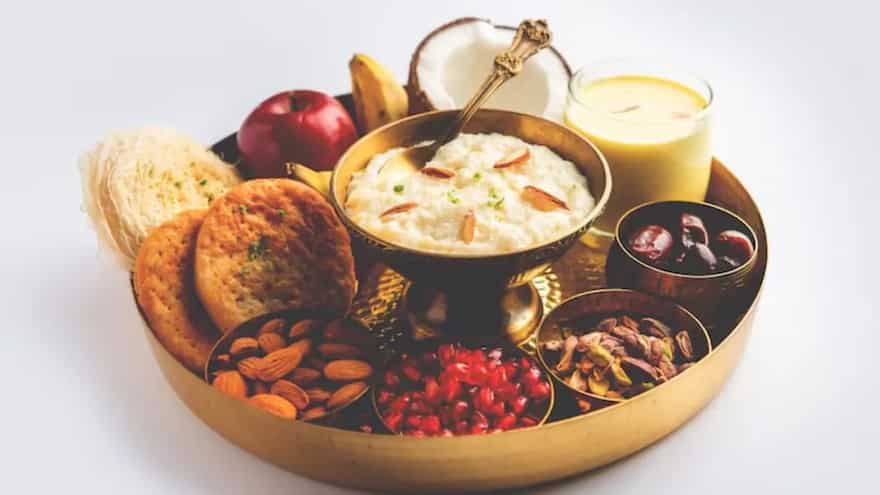
Sargi is the most important meal of the vrat and is eaten before sunrise, before the nirjala vrat starts. Think of it as the last meal before a long period that has to be spent without a morsel of food or water, rather than just considering it as a festive breakfast. However, the exact sargi varies from household to household, but typically a sargi thali has fruits, nuts, milk or curd, coconut, and filling homemade foods like roti, sabzi and some sweets.
One useful thing to keep in mind is not to consider sargi as a massive feast. Rather, choose foods that you know will suit you and eat enough to feel comfortably nourished without making the meal too heavy, as you will not be able to drink water to comfort yourself later.
(Image credit: Freepik)
What Should You Actually Put In The Sargi?
A useful Sargi can have a mix of slow-digesting carbohydrates, some protein or dairy, fruit and nuts rather than relying entirely on sugary and packaged foods. You could have a small serving of roti with some homemade vegetable preparation, a bowl of curd, a banana or apple, a few almonds and walnuts, and coconut.
For the sweet part of the sargi, keep it moderate rather than having too sugary mithai. Drink enough water and have fluids before the fast starts. The purpose is to fulfil the vrat comfortably, not to eat as much as possible, as no food will be available later.
Once The Nirjala Vrat Begins, The Food Rules Change
The traditional Hartalika Teej vrat is commonly followed as a nirjala fast, which means no food and no water after the pre-dawn meal. This is why sargi needs more thought than an everyday festive breakfast. However, not every woman follows the same form of fasting. Some observe a phalahar-style vrat in which fruits, milk or other vrat-appropriate foods can be eaten.
Rather than assuming that one rule applies to every household, follow the vrat tradition you have been taught by your family or local religious guide.
During The Vrat, Avoid Treating 'Vrat Food' As A Regular Snack Menu
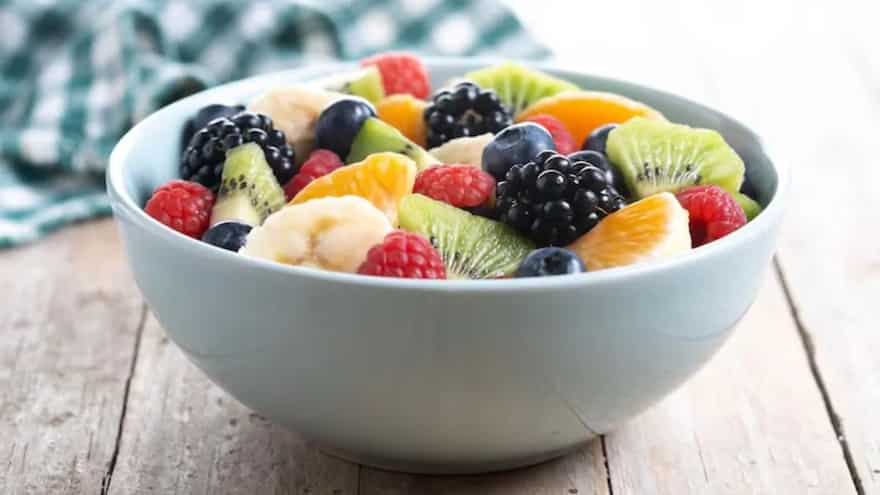
If you are following a strict nirjala vrat for Hartaleeka Teej, there is no question of making a fruit bowl, sabudana khichdi or makhana snack to eat during the day. For those following a phalahar practice, however, foods allowed may include fruits, milk and vrat-friendly preparations that can be eaten.
Since Hartalika Teej rituals vary by family and region, a first-time vrat observer should confirm the exact fasting rule before planning any daytime food. However, having milk and fruits is the safer choice if you are observing a phalahar routine.
(Image credit: Freepik)
Paran Begins With Something Gentle, Not A Heavy Feast
Hartalika Teej is traditionally completed by breaking the fast the following morning after performing the puja and rituals, as specified by the local panchang. After going without food and water for an extended period, do not start with a plate of puri, pakoras and rich sweets immediately. Firstly, have a sip of water, followed by a fruit or milk and then a light meal.
Once the fast has been completed, keep the first proper meal simple rather than making it an elaborate festive spread. Khichdi, plain rice with dal, lightly cooked vegetables, roti with a lightly seasoned sabzi, curd or fruit can work well. You can have festive foods later, but there is little reason to overfill the stomach instantly after a long fast. If your family has a specific paran dish or the sequence to follow, go as per that. Otherwise, having a few sips of water followed by fruits and milk can be the best approach.




