


 Share
Share

Tofu has a long history that begins in ancient China, where it was developed as a way to turn soybeans into a stable, protein-rich food. Early records suggest that tofu was created more than two thousand years ago, and it quickly became an important part of Chinese cooking because it was affordable, adaptable as well as easy to store. As trade expanded, tofu spread to Japan, Korea and other parts of Asia, where each region introduced its own styles alongside textures. Over time, it became established as a reliable ingredient that supported both everyday meals and larger culinary traditions.
The process of making tofu is direct and requires only a few basic steps. Soybeans are soaked and ground to produce soy milk. The milk is heated until it reaches a gentle simmer. A coagulant is added at this stage, which causes the milk to separate into curds and whey. The curds are collected and transferred into a lined mould, where they are left to drain. The level of pressure applied determines whether the tofu becomes soft, medium or firm. Once the excess liquid has been removed, the tofu is ready to use. This clear and consistent process is what makes tofu easy to prepare at home.
Make Perfect Tofu At Home Using 5 Simple Hacks
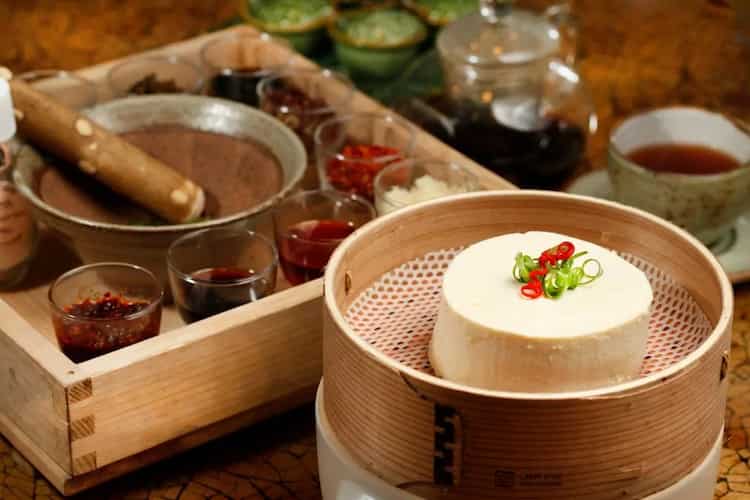
(Image Credits: Pexels)
Use Warm Soy Milk, Not Hot Or Cold
One of the biggest reasons homemade tofu becomes grainy or loose is incorrect milk temperature. Warm soy milk creates the most stable curds because it allows the coagulant to activate evenly. If the milk is too hot, the curds form too quickly and break apart. If it is too cold, the curds refuse to form and the mixture stays runny. The ideal point is when the milk has small bubbles around the edge but is not boiling. This temperature keeps the proteins relaxed, which helps them bind into smooth, consistent curds. Stir gently before adding the coagulant so the heat spreads evenly. The mixture should rest after adding the coagulant instead of being disturbed, allowing the curds to separate in a calm, steady way. This single temperature hack improves both texture and flavour because warm separation produces cleaner-tasting tofu. Beginners often underestimate how much this step matters, but it is the foundation of good tofu. Once the curds are set, the rest of the process becomes easier, and the final block feels firmer, more uniform as well as better structured for cooking.
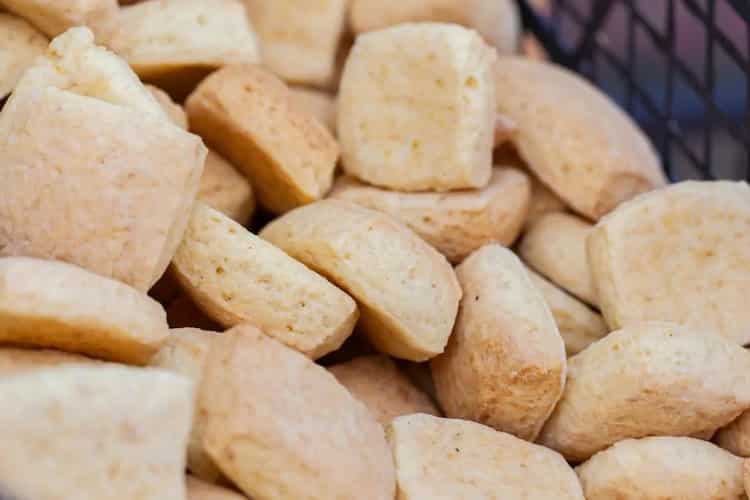
(Image Credits: Pexels)
Right Coagulant For Better Texture Control
Tofu texture depends heavily on the coagulant, and choosing the right one allows you to adjust firmness without complicated steps. A coagulant in tofu is a substance added to hot soy milk to help it separate into curds and whey, which allows the curds to form a solid tofu block. Some coagulants make tofu soft, while others create sturdy blocks that hold up during cooking. A balanced coagulant works best for smooth, custard-like tofu because it produces smaller curds and minimal graininess. A firmer coagulant is ideal for home cooks who want tofu that slices cleanly or pan-fries without breaking. Understanding this difference helps you avoid experimenting blindly. Mix the coagulant with warm water before adding it to soy milk so it spreads evenly and does not create clumps. The amount of coagulant also affects the final result. Too much leads to chalky or tough tofu, while too little prevents the curds from setting. Measuring carefully gives you predictable outcomes each time you make a batch. Once you learn how the coagulant behaves, you can produce exactly the texture you prefer.
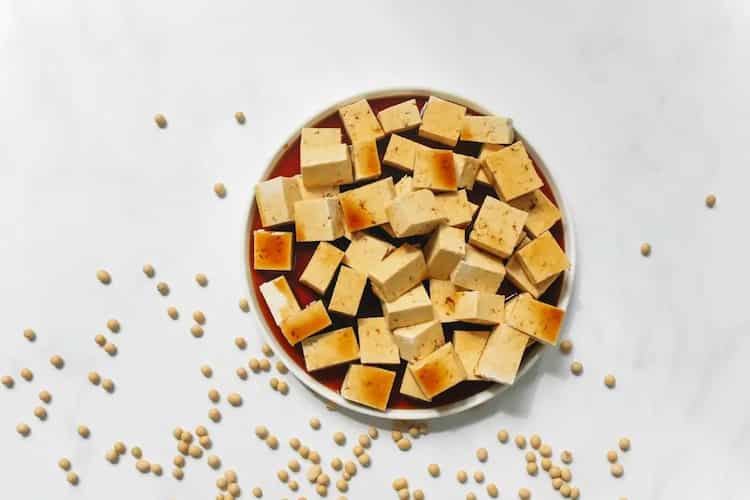
(Image Credits: Pexels)
Let The Curds Rest Longer For A Cleaner Block
The resting stage is one of the most overlooked parts of tofu making. After adding the coagulant, many people rush to transfer the curds, which leads to uneven firmness and excess moisture. Allowing the curds to rest for several minutes gives them time to group together naturally, forming clearer, more stable clusters. This resting phase improves both structure and flavour because it allows the liquid to separate without agitation. When the curds are lifted too quickly, they break and trap more whey, resulting in a soggy or crumbly block. Resting helps the whey detach on its own, making pressing smoother and more effective. After transferring the curds into the mould, letting them rest again before applying pressure produces a cleaner finish. The tofu becomes easier to slice and maintains its shape in stir-fries or soups. This simple timing adjustment requires no extra equipment but has a noticeable impact on quality.
Control Pressure Instead Of Over-Pressing
Many home cooks assume that pressing tofu harder will automatically create a firmer block, but excessive pressure often leads to tough or dry results. Controlled, even pressure encourages the curds to settle slowly, maintaining softness while gaining stability. Begin by applying light pressure so the tofu releases surface moisture. Increase the weight gradually rather than placing a heavy object on the mould immediately. This helps the block maintain a uniform texture from edge to centre. Sudden heavy pressure pushes out too much whey too quickly, compressing the curds unevenly and creating a dense, rubbery centre. It also helps prevent structural cracks, making the block look cleaner when unmoulded. Controlled pressing takes only a few extra minutes but significantly improves the final result, making homemade tofu feel more refined and predictable.

(Image Credits: Pexels)
Strain Through A Tight, Breathable Cloth
The choice of cloth influences tofu texture more than most home cooks realise. A cloth that is too loose allows curds to escape, reducing yield and weakening the block. A cloth that is too tight prevents proper drainage, trapping whey inside and leaving the tofu wet. A proper, breathable cloth gives the curds enough support while allowing moisture to escape at a steady pace. Spread the cloth smoothly in the mould so there are no folds that create weak spots. Lift the corners gently when transferring curds instead of scooping them, which helps the curds stay intact. Once the curds settle inside the cloth, folding the edges evenly ensures that pressure distributes correctly during pressing. This improves the final shape and prevents uneven surfaces. Using the right cloth also makes unmoulding easier because the tofu pulls away cleanly instead of sticking.




