


 Share
Share

Easter, as a moment of rebirth and renewal holds particular weight in 2026. There are few among the global community that would read this today, and agree that all is at peace with our world. But what we’ve seen throughout the most painful times of the last year, is a common acknowledgment that people will stand by each other, in honour of differences. And despite similarities.
Falling on 5 April, 2026, Easter is one of the holiest days in the Christian calendar, a day of resurrection, renewal, and return. But across India's diverse Christian communities, the way it is marked at the table is as varied as the communities themselves. From the Mangalorean coast to Kerala's backwaters, from Jharkhand hospital wards to Anglo-Indian homes in Kolkata, Easter Sunday is, above all, a meal shared with the people who matter most. Sometimes, a shared meal speaks by itself.
How India Eats At Easter
Ruth D'Souza Prabhu - Journalist, Mangalorean Catholic Community
On the dishes most important to her family:
While there are no specific Easter dishes in the Mangalorean Catholic community, the best of Sunday specials are all made together for a feast, especially if the whole family is getting together. This means bakri, sannas or neer dosas paired with pork bafat, green masala (coriander-mint) based beef biryani or sweet pulao with beetroot-raisin chutney and chicken sukka. Sometimes my mother would make the labour-intensive whole roast chicken, not the Western version, but one which has the innards stir-fried with bread bits, potato cubes and spices and stuffed into the chicken. It is then roasted and basted constantly with ghee. Sweets, though, remain largely Western - cakes, puddings, jellies, etc. The more traditional desserts from my grandmother's time would be maani (a rice halwa) or mandaas (a rice and cucumber cake).
On the memories and traditions she looks forward to each year:
It was always about doing everything as a family that day. Going to church, visiting elders and then heading home, your own, or an elder's, where the family gets together and eats. When my daughter was much younger, I would plan Easter egg hunts that spanned the three-floor building we lived in and some of our neighbours' homes too, for her and her friends. I would use home-made, natural coloured boiled eggs, and once they found all of them, I would get the kids to pitch in and make an egg salad that would be served at lunch.
On how these foods reflect her background and whether they have evolved:
The foods reflected Mangalorean Catholic celebratory dishes always. And continue to do so. Like many homes that have begun revisiting their roots in the kitchen, Easter has gone from being a Western-dish heavy meal to a more traditional one. In my own home, we have now evolved to each member of the family cooking one of their favourite traditional celebratory dishes, so the effort is well distributed.
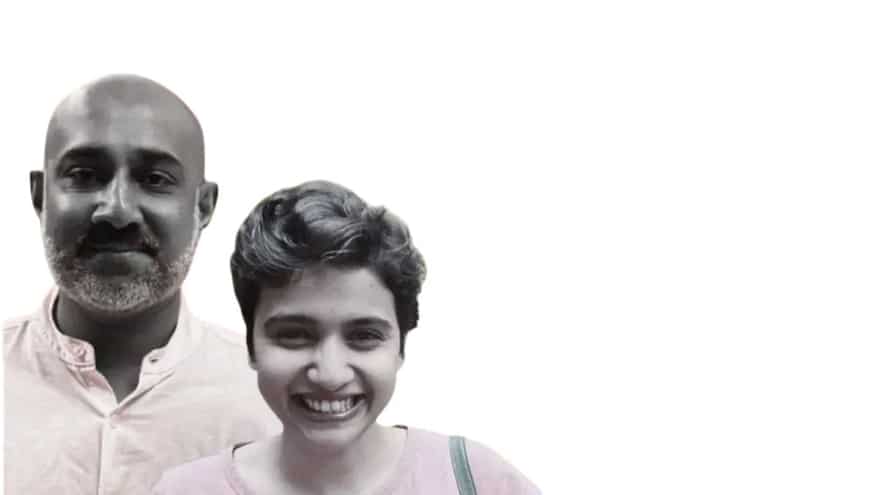
Marian D'Costa and Ashwin Nair - Aiyo Patrao
Goa And Kerala Find A Common Flavour
Marian D'Costa and Ashwin Nair - Aiyo Patrao
This spirit of homecoming and shared effort is something that resonates far beyond any one community. For Marian D'Costa and Ashwin Nair, the creators of the on of a kind cloud kitchen, Aiyo Patrao, Easter memories stretch across two distinct cultural worlds - the Goan Catholic table and the Syrian Christian one - each with its own rituals, flavours, and particular forms of love.
On the dishes most important to their families during Easter:
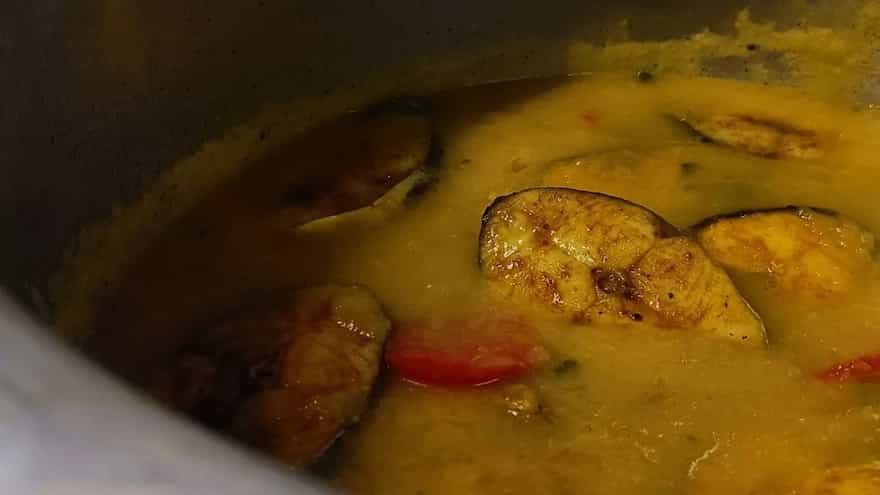
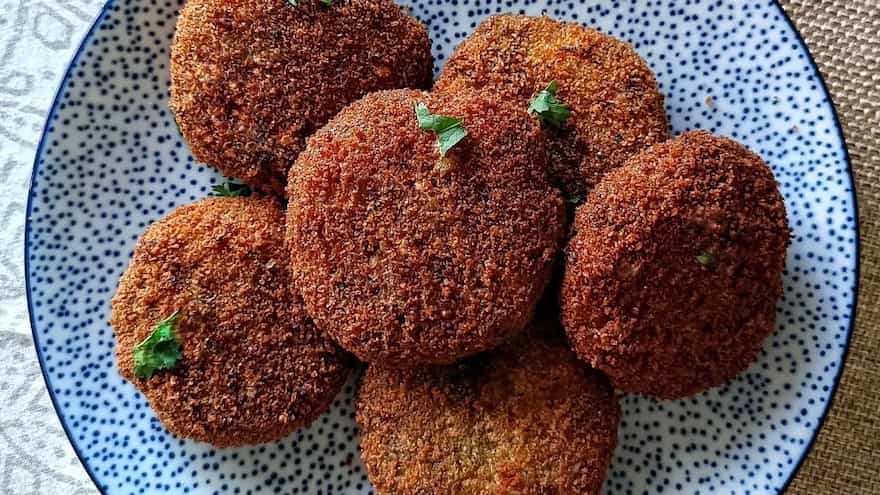
For me, it had to be a homely Chicken Curry with Arroz Refogado (pulao), Tuna Forminhas (tartlets), a roast and any one pork delicacy like Sorpotel, Bafado or Vindalho, because given the ingredients, it was best suited for occasions like Easter and Christmas. My father craved Vonn, so my mother always made it just for him on such days. For Ashwin, invites to his Syrian Christian friend's house for Easter always involved Appams, Ishtu and meat cutlets, maybe even a mean Meen Moilee or Beef Fry - he saw it no other way. In the end, it was always about sharing a warm meal with people that mattered.
On the memories and traditions they cherish:
At home, it was almost a ritualistic affair for both mother and daughter to prep each dish from scratch, with precision; and in turn, we bonded over cooking together and blowing each other's minds with culinary logic and nuance - my mother with her generational knowledge and me with my deep-dive into research. On Easter day, the whole family would get together either at ours or an aunt's, and exchange marzipan Easter eggs as an act of love. For Ashwin, it was always the homemade wine served, which often complemented the flavours of the food served. He could taste the love and care in each sip and bite. Now, time, distance, and life have limited this, but it will always be a memory we'll cherish.
On how these foods reflect their cultural background and have evolved:
Kerala and Goa both had one thing in common, apart from coconut-laden curries and a beautiful coastline: both were influenced by the Portuguese, who introduced their style of cooking, ingredients, recipes, and techniques. Over time, recipes evolved to accommodate the availability of ingredients, local palates, and climate conditions. We still very much use some of their techniques like braising, baking, stewing, and ingredients like potatoes and chillies. Our families and friends did their best to maintain tradition based on their understanding, but were also mindful of a lot of factors.
Jharkhand
Not all Easter generosity is confined to the family table. Some of the most tender accounts of the season come from those who carried the feast with them wherever they went - including those on duty when everyone else was celebrating.
Geneviva Dey - Retired Nurse, T.M.H, Ranchi (As shared by her daughter)
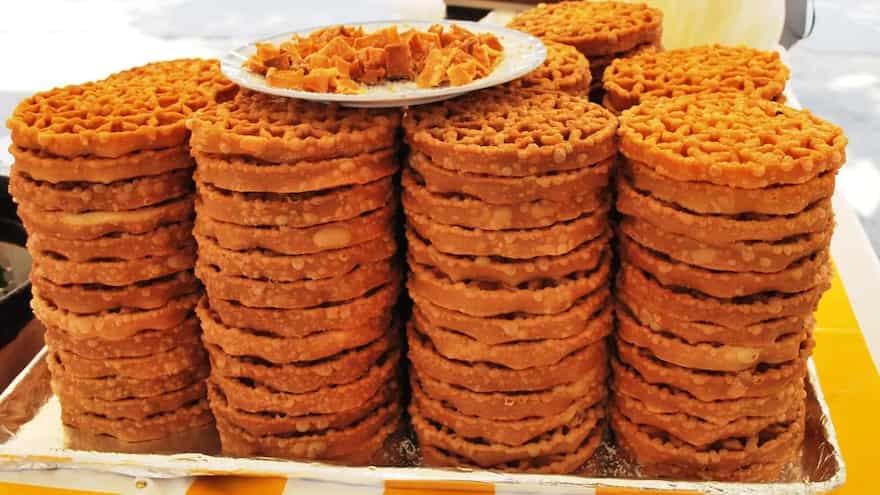
Maa would tell us how on the years she got hospital duty on Easter, she never went empty-handed. She would pack homemade chocolates, arsa, and rose cake the night before, wrap them carefully, and carry a whole pouch to the ward. Every colleague, every staff member got one. She said nobody minded the duty those days - because someone always brought food, someone always brought sweets. In Ranchi, that's how Easter was celebrated among working people on holiday. Everyone carried chocolate pouches. Everyone shared. Maa used to come home happy with lots of food for us.
Sanjana Kullu - Housewife, Ranchi
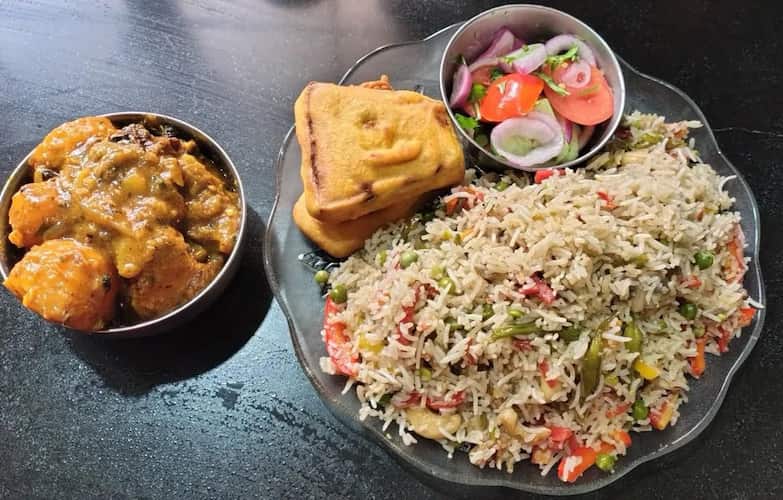
The night before Easter was always busy. Chilka batter was soaked, chicken was marinated, and everything was kept ready before leaving for church. That was just how it was done at home. After the late-night vigils or morning service, everyone came back tired and hungry. Chai and fruit cake were served first. Then chilka and sambhar, prepped from the night before, was made hot and served. Lunch was mandatory rice and chicken of choice, along with dessert like rabri and gulab jamun. The children had their own world through the afternoon, running between activities, competing, winning gift hampers and coming back louder each time.
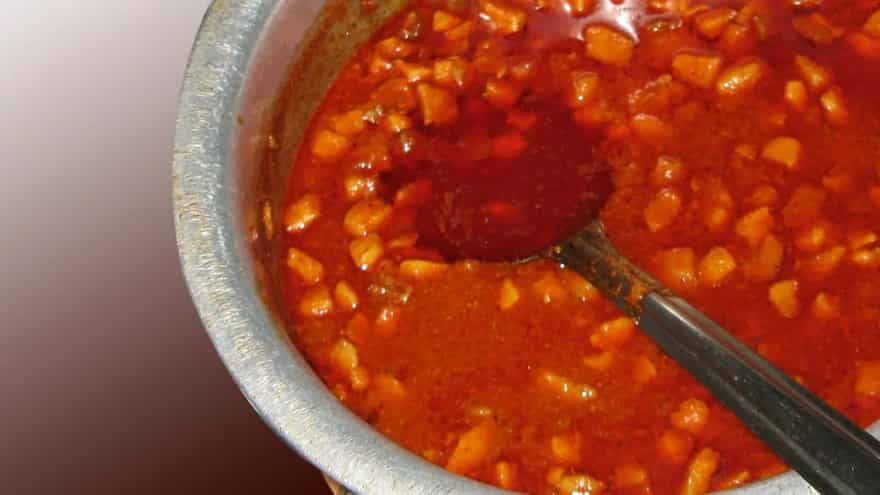 Image Credits: WikiCommons
Goa
The Portuguese legacy that runs through so many Indian Christian kitchens finds one of its most vivid expressions in Goa itself, where the Easter table is as much an act of cultural memory as it is a feast.
Joseph Fernandes - Panaji, Goa
On the dishes most important to his family during Easter:
Sorpotel is the heart of our Easter table. It's made days in advance - you have to let it mature, let the vinegar and spices settle into the pork - and by Easter Sunday it's a completely different dish from what it was when you first cooked it. We eat it with sannas, those soft, slightly sweet steamed rice cakes leavened with toddy, and that combination alone tells you everything about where we come from. There's usually a chicken xacuti too, rich with roasted coconut and a whole choir of spices. And the kulkuls - those little deep-fried sweet dough curls - come out days before. The children are always hovering around the kitchen when those are being made.
On the memories and traditions he associates with Easter:
Easter in our family always meant the whole house in motion from Good Friday onwards. The sorpotel pot going on the stove, the smell of it filling every room. My grandmother used to say you could tell a family's Easter by their sorpotel - how long it had been cooking, how dark it had gone. On Easter Sunday itself, we'd come back from mass and the table would already be laid. Feni would be poured, the sannas would be stacked high, and we'd sit for hours. Nobody was in a hurry. That sense of unhurriedness - that is what I remember most.
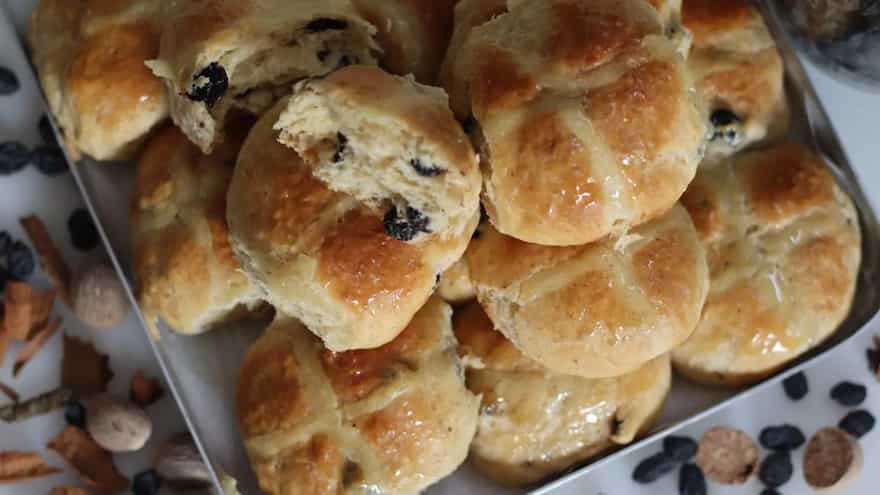 Image Credit: Canva
East Indian Catholics
For the East Indian Catholic community - the indigenous Christians of Mumbai and the North Konkan region - Easter carries a particular weight of identity. As one of the oldest Catholic communities in the country, their traditions at the table are both deeply rooted and quietly endangered.
Fonseca Rodrigues, Mumbai
On the dishes most important to her family during Easter:
After midnight mass, the first thing you want when you walk through the door is my mother's stuffed roast chicken. Not the simple kind - she fills it with sausages, liver, croutons, gizzards, carrots, and peas, and it roasts while we're at church. That's what Easter smells like to me. The next day at lunch there's vindaloo - proper East Indian vindaloo, which is different from what you'll find in Goa - and a Russian salad, cooling and creamy against all that spice. And then there are the marzipan Easter eggs, which we make ourselves from cashews, sugar, and egg white. Every one is shaped by hand.
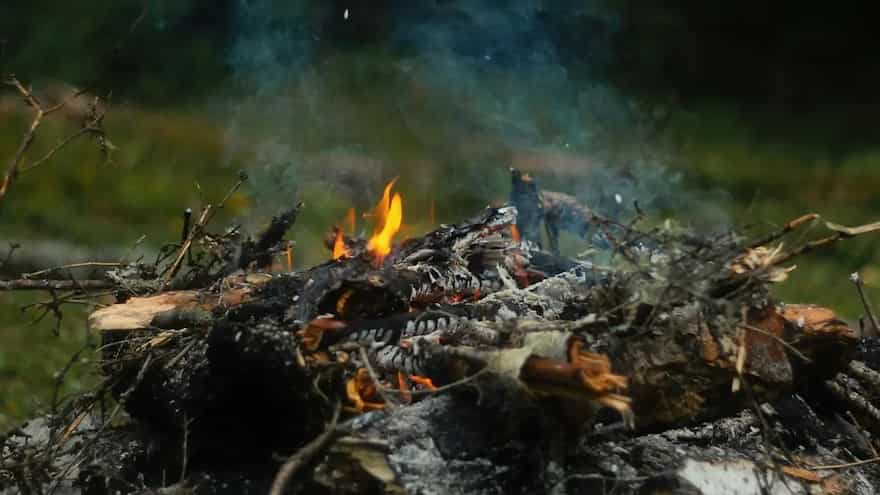 Image Credits: Canva
Nagaland
Further east, in the hills of Nagaland, the Easter table speaks an entirely different culinary language - one built not from Portuguese influence but from the forests, fires, and fermentation traditions of the Angami people.
Doaniel Lotha - Nagaland
On the memories and traditions he associates with Easter:
Easter in Kohima is a community occasion, not just a family one. After the church service, neighbours come together. People bring food from their own kitchens and it all ends up on one long table. The smoked pork my uncle prepares - he starts smoking it three days before - is always the centrepiece, and everyone knows it. That smell, woodsmoke and bamboo, drifting through the neighbourhood, is how you know Easter is coming. For us, food is never separate from the land it comes from. The bamboo grows here, the chilies grow here, the pigs are raised here. Easter is a Christian celebration, but the food on the table is entirely Naga.
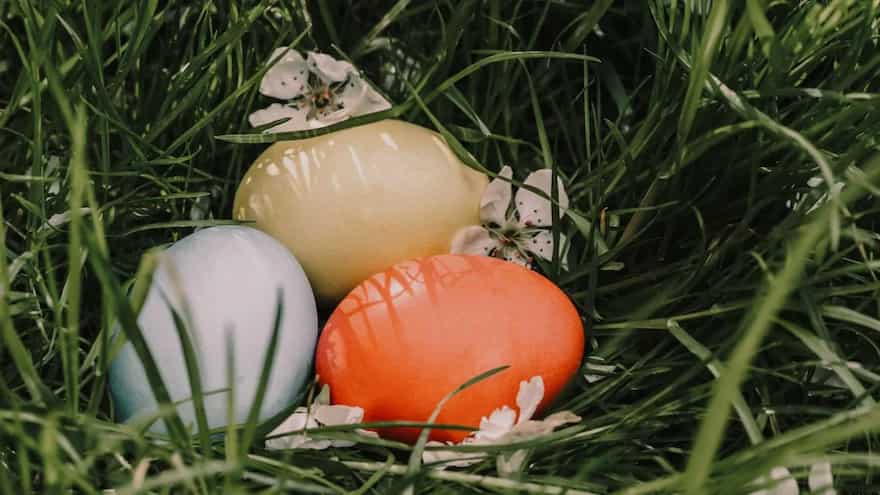 Image Credits: Canva
Kolkata
Mrs Pamela Godfrey - Behala, Kolkata
Holy week is the most sacred week in Christianity, spanning seven days from Palm Sunday to Easter Sunday, commemorating the final week of Jesus's life, His passion, and His glorious resurrection. Palm Sunday commemorates the triumphant entry of Jesus into Jerusalem. Holy Monday reminds us that God cleansed the temple. Holy Tuesday: Jesus taught powerful truths, calling people to faith, wisdom, and obedience. Holy Wednesday, or Spy Wednesday, reminds us of the betrayal of Jesus by His disciple Judas. Maundy Thursday - the word Maundy comes from the Latin word Mandatum, meaning commandment - commemorates the Last Supper and the washing of feet. Maundy Thursday teaches humility and love. Jesus washed the feet of His disciples. He also gave us a great commandment: 'Love one another as I have loved you.' Good Friday is the day Jesus died for all humanity. His sacrifice shows the greatest love in history. Holy Saturday is the day of silence, prayer, and waiting. Hope remains because God always keeps His promise. Easter Sunday is the day Jesus resurrected from the dead. The victory of life over death, and hope is alive forever.
The tradition of Easter eggs most likely began with the early Christians in Mesopotamia. At first the eggs would be painted red to signify the blood of Christ, but later changed to fancy decoration. People make Easter eggs from marzipan - almond flour, cashew flour, icing sugar, vanilla or almond essence, and egg white to form an egg shape - or from chocolate. The egg signifies new life, which Jesus gave us by rising from the dead. The Easter Bunny is a tradition arising from Germany, signifying fertility and new life. There is no set food for the Easter table, but most Anglo-Indians make delicious and appetising food. Easter is the most significant Christian holiday, centring on the resurrection, which signifies the promise of eternal life.
What emerges from all these accounts is not a single Easter feast, but a chorus of them - each distinct in its spices, its prayers, its particular way of expressing care. Whether it is the ghee-basted roast chicken of a Mangalorean kitchen, the days-old sorpotel of a Goan afternoon, the smoked pork drifting across a Kohima hillside, the marzipan egg shaped by hand in Bandra, or the chocolate pouch carried into a hospital ward in Ranchi, the message is the same. Easter, at its heart, is about what is given freely - and received with gratitude
*This article was a collaborative effort from the Slurrp Ediorial Team. Happy Easter!




