


 Share


The festival of Diwali is just around the corner, and with it comes a familiar spike in the demand for sweets. From boxes of kaju katli and motichoor ladoo to homemade gujiya and besan barfi, mithai is purchased, prepared and then shared in large quantities during the festivities. Many households also prefer making gujiyas and other non-perishable sweets well in advance, so there is sufficient quantity to serve guests, carry to family gatherings or pack into gift boxes on the day without any hassle.
But not every sweet remains fresh for the same length of time. A batch of dry, roasted ladoos may go well for several days, whereas at the same time milk-based sweets can get spoiled much sooner, particularly if left at room temperature. Shop-bought mithai may come with sealed packaging and a published best-before date. The real difference lies in ingredients, moisture, preparation, storage and also handling. Understanding these factors can help you plan your festive sweet-making without compromising on the quality or the food safety.
What Determines How Long A Sweet Stays Fresh?
The shelf life of a sweet relies mainly on how much moisture it has and how easily microorganisms can grow in it. Milk, khoya, fresh cream and chenna are perishable ingredients, which is why sweets like rasgulla, rasmalai, sandesh and kalakand typically need refrigeration and also fast consumption.
Sugar also plays a crucial role. In some recipes, a high sugar concentration lowers the amount of water that generally increases the microbial growth. This is one reason some sugar-rich preparations can keep longer than moist, lightly sweetened desserts.
Fat content, acidity, cooking time and hygiene matter as well. A properly cooked besan ladoo or dry fruit chikki has a different moisture profile than a soft milk cake. Even within the same category, a recipe prepared with fresh coconut or added cream may have a shorter shelf life than a drier preparation.
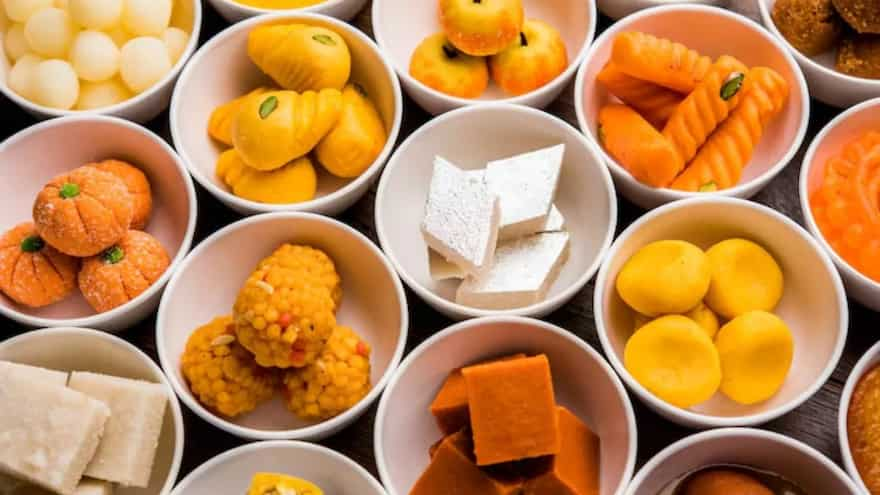
(Credits: Freepik)
Homemade Sweets: Freshness Depends On The Recipe
Homemade mithai gives you control over the ingredients, cooking process and also the portion sizes. You can make a batch of besan ladoos, shakkarpare or dry coconut barfi well in advance, provided it is stored properly.
However, homemade does not automatically mean longer-lasting or safer. Fresh ingredients, clean utensils, properly dried storage jars and careful handling all affect how well a sweet is kept. Adding fresh khoya, mawa, cream, or fruit can make a preparation more perishable. Sweets should also be cooled down thoroughly before packing them, as trapped steam can develop moisture inside the container.
Shop-Bought Sweets: Does Packaging Make A Difference?
Commercial sweet manufacturers may use regulated cooking conditions, hygienic production areas and packaging designed to limit exposure to air and moisture. Some products are packed in sealed jars or individual wrappers, which can help maintain their quality during storage and transport. Some manufacturers may also use approved preservation or packaging techniques to extend the shelf life of a particular product.
However, a sealed box does not mean every sweet within it will last for weeks. A shop-bought rasmalai or kalakand still requires appropriate refrigeration as it is milk-based. The shelf life relies on the recipe, manufacturing process and storage conditions as well, not simply whether the sweet is commercially made.
For consumers, the best approach is to look for the manufacturing or packing date, expiry or use-by date, storage instructions and ingredient list on the packaged sweets. For loose mithai, ask the shop when it was made and how it should be stored properly.
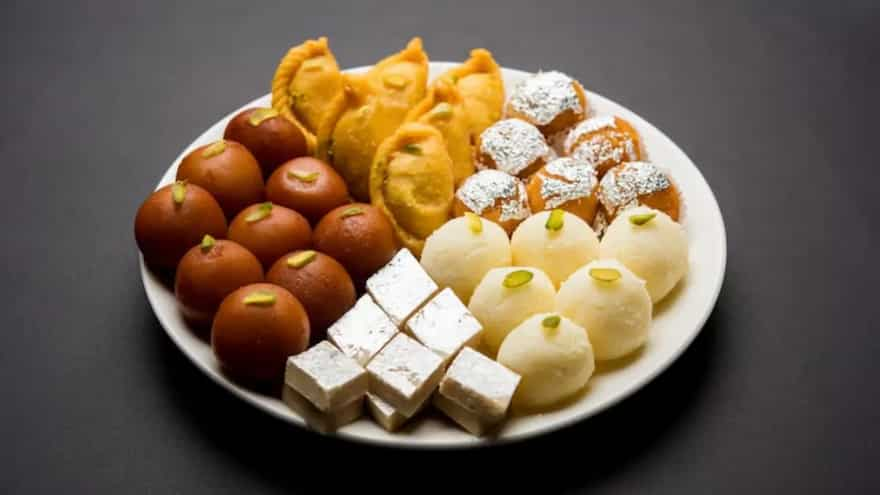
(Credits: Freepik)
What FSSAI Says About Sweet Shelf Life
The Food Safety and Standards Authority of India (FSSAI) has clear shelf-life guidance for traditional sweets. It advises that kalakand should be consumed on the day of preparation, whereas many milk-based and Bengali sweets, including rasgulla and rasmalai, should be refrigerated and consumed within two to three days. Certain ladoos and khoya-based sweets have a recommended shelf life of four days, whereas dry fruit ladoos, kaju katli and gujiya are listed under a seven-day consumption category.
How To Store Diwali Sweets Without Shortening Their Shelf Life
If you are making sweets at home in advance, pick recipes as per how early you plan to make them. Dry preparations such as chikki, gajak, shakkarpare and besan ladoos are typically more convenient for advance preparation than the fresh cream or chenna-based ones.
Store dry sweets in clean, airtight jars in a cool, dry place, away from sunlight and moisture. Refrigerate milk-based mithai as soon as feasible. Use separate, clean spoons when serving, and avoid leaving perishable sweets out for longer periods.
The takeaway: Homemade or shop-bought, no sweet has a fixed shelf life based on where it was prepared. Its ingredients, moisture, hygiene, packaging and storage define how long it remains fresh. Planning your Diwali sweet menu around these factors can help you prep ahead while keeping every festive sweet safe to enjoy.




