


 Share
Share

Growing up in the royal city of Patiala, Qila Mubarak was the silent, massive backdrop to my life. It was more than just a 1763 monument founded by Baba Ala Singh; it was the scene of mandatory school trips, carefree picnics with friends, and even the nervous energy of an evening date. For decades, the fort stood as a tourist attraction, holding Punjab’s history, including the secrets of North India’s biggest royal kitchens and the famed Lassikhana.
Now, those secrets are being served. The Park Hotels have taken on the meticulous task of breathing life back into the ruins. They have created Ran Baas (raniyo ka baas), the abode where the queens resided. And truly, this isn't just a new destination in Punjab; it's a full-circle moment. If you’ve ever wanted to escape the hustle and authentically live, dine, and drink like the royals of Patiala, your itinerary is now set.
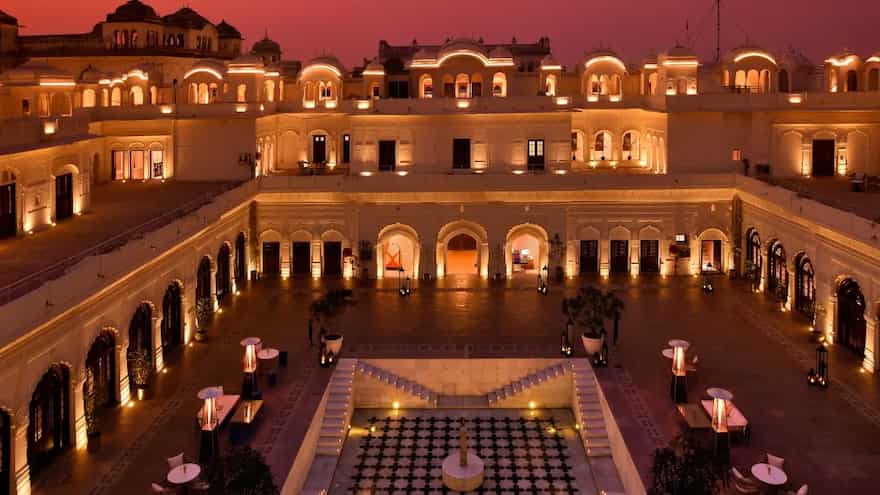
Qila Mubarak: A Palace That Once Fed Thousands
The history of Patiala is told as half-remembered anecdotes. Be it the stories about Maharaja Bhupinder Singh’s flamboyance, the polo tournaments, or the best of all, Patiala Pegs. But there are just a few people who talk about Lassikhana, the royal kitchen that was a part of Qila Mubarak. As per reports, in its prime, the kitchen was equipped to serve 35,000 people on a daily basis.
Cut to 2025, Ran Baas, with its fine-dining restaurants and a bar named “The Patiala”, stands on the same soil where the most elaborate royal meals were once prepared. And for someone who grew up reading about the monuments of the city, the folklore, and the grandeur of royal dishes, seeing the traditional Punjabi recipes being recreated on a plate felt almost emotional.
Royal Recipes Return To The Table
Celebrating the rich history of the city, the chef-led menus at Ran Baas are sure to transport you to the royal era. Speaking with the Executive Chef, Raman Preet Singh Ahluwalia, about the royal recipes that have been derived from the historic cookbooks, he names his favourites, like Hare Masale di Machhli, Guchhi-Neze da Shorba, Khara Mutton, Boti Pulao, and Narangi Pulao.
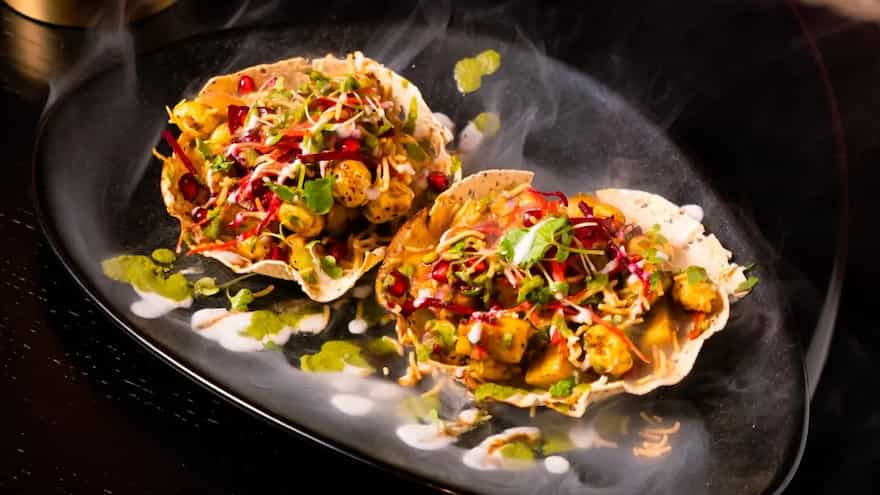
"Each dish has been revived with a lot of care to keep its original source intact, while making sure it appeals to today’s palate. While as of now, ‘Neel', our all-day multicuisine restaurant, is functional, we’re in the process of launching a Punjabi speciality restaurant, called ‘Atth’. And for that, we’ve even translated recipes from Gurmukhi and Perso-Arabic Shahmukhi script with help from palace historians and local scholars,” Chef Ahluwalia further explains. “These manuscripts were part of a recipe archive compiled by Raja Baljinder Singh, much later. Records before his era were dreary and grim, as most cooks were unwilling to part with their ever-precious recipes.”
He then talked about the use of unique measurements in the cookbooks. With his team, the tea, at Ran Baas had to convert the quondam Indian units of:
- Maund: 40 kgs
- Seer: 1.25 kgs
- Tola: 11.66 gms
- Ratti: 120 mg
- Chawal: equal to the weight of one grain of rice
- Dhan: equal to the weight of one wheat berry
Interestingly, the culinary team found that some recipes even listed ingredients by their cost in the currency of that time, which had to be deduced and reasoned out by a general understanding of the year.
The Patiala Bar
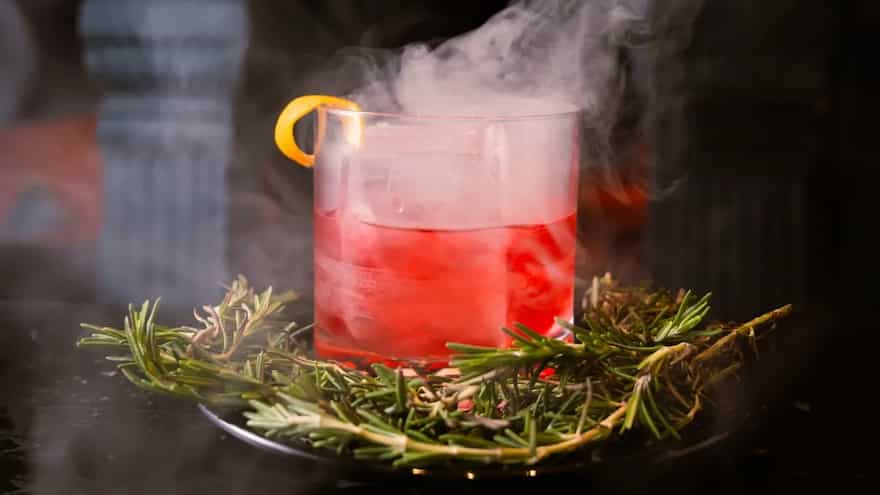
How can you not talk about the bar when the city gave the world the most generous whiskey pour - the Patiala Peg? Calling their bar The Patiala, Ran Baas truly showcases the influence of Maharaja Bhupinder Singh’s lavish and generous pours. Reimagining the staples, the bar offers a variety of large-sized cocktails. Here are the ones that you cannot miss: Memsahib Martini, paying homage to the queens of Patiala, Patiala Elixir, and, of course, the Royal Lassi Khana Concoction.
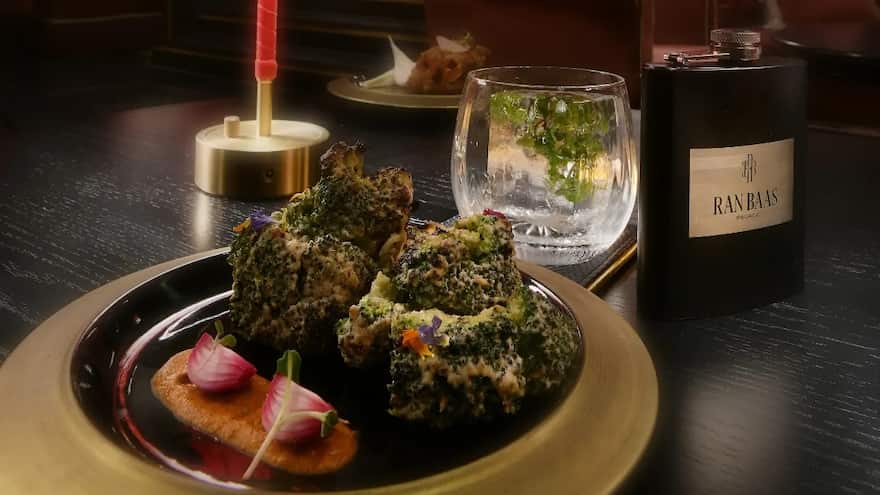
Must-Try On The Menu
Rajma Galouti
The star of North Indian households, rajma, is transformed into patties to serve you a mouth-melting appetiser. Made with mashed kidney beans and pan-fried, the Rajma Galouti are the perfect way to build up your appetite for the main course.
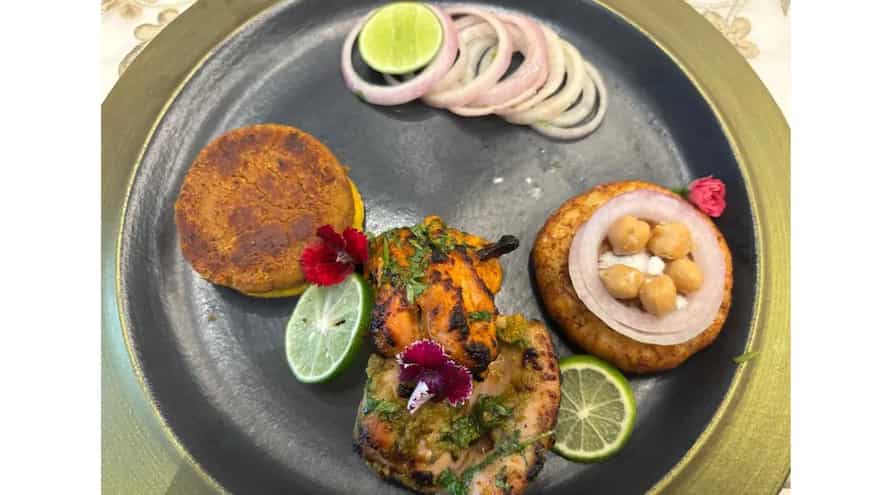
Image Credit: Garima Johar
Kandhari Raan
“Ah-mazing” is the thing that comes to mind when you bite into the raan. The mutton is perfectly cooked in an onion, yoghurt, and cashew-nut-based gravy. And the dish even comes in a silver platter with a metallic lid, adding grandeur to your meal. Perfect for two, the Kandhari Raan comes with a serving of Dal Makhani, Yakhni, and crispy naan.
Narangi Pulao
As recommended by Chef Ahluwalia, the Narangi Pukao is a unique, subtly flavoured pilaf that balances the notes of orange juice and rind. With saffron to enhance the natural orange colour, adding a rich bouquet. It’s one of those recipes that can be a sweet dish or a semi-savoury one.
Ash Kauri Chaampan
Another interesting dish that the chef talks about is Ash Kauri Chaampan. “Named after a neighbouring princess from the Kapurthala princely state, “Ash Kaur,” the dish features lamb chops. Marinated in kasoori methi and buttermilk, then charcoal-roasted and basted with mustard oil, gives the chops a smoky and aromatic depth,” narrates the chef.
Ravioli
If you want to try the continental cuisine, go for Ravioli. Trying the Italian bowl myself, it’s safe to say that the culinary team will nail the white sauce every time. Stuffed with cheese and spinach, expect your Ravioli to be a little chewy and super creamy.
Peeli Mirch Wala Kukkad
I also asked Chef Ahluwalia about his personal favourite dish on the menu, and he picked the Peeli Mich Wala Kukkad. Talking about it, he says, “It is an exceptionally intense chicken dish made with yellow chilli peppers and desi chicken, slow braised to perfection. More than just a brilliant recipe, to me it is about preserving memory, emotion, and identity.”
Rabri Shahi Tukda
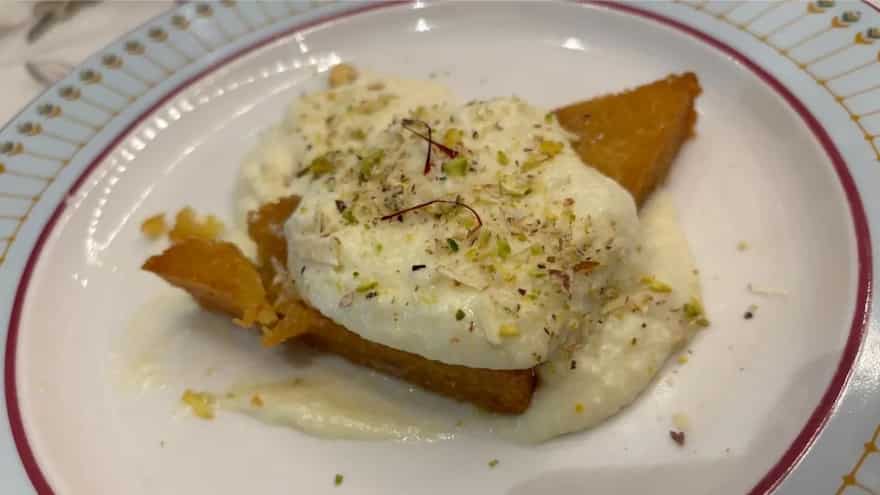
Image Credit: Garima Johar
Just imagine biting into the most royal desserts of all time in a grand setting? The crispy piece of bread is served with rabri on top, garnished with slivered almonds, and is the perfect end to a lavish meal.




