


 Share
Share

Marking the start of Deepavali, Dhanteras is celebrated across the country, much before the diyas are lit and the rangolis are made. While investing in gold and silver is considered auspicious, in the northern parts of India, Dhanteras typically involves bringing home a new cooking utensil or vessel. And once to inaugurate the new cookware, something sweet, such as halwa or kheer, is made as a common practice. To delve deeper into traditions and heartfelt stories, Slurrp interviewed North Indian home cooks and chefs. To know more about the Dhanteras rituals to start your festive season the traditional way, read on this Slurrp exclusive.
Sonia Sarpal
Home Chef, Delhi
Is buying new cookware or utensils a strong part of the Dhanteras ritual in your home?
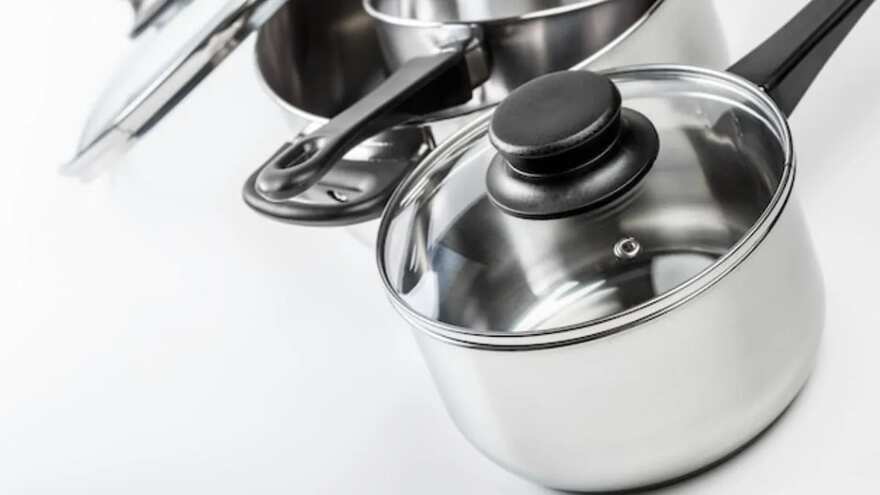
For me, Dhanteras has always been one of the most special days of the festive season. It’s not just about shopping or gold, it's about warmth, family, and those little rituals that connect generations. My mother-in-law often says, “Goddess Lakshmi resides in the kitchen,” and I truly believe that. Therefore, we should purchase new metal utensils to be used in the kitchen after Lakshmi Pooja. After all, what better way to invite blessings than through something that helps us cook and serve our loved ones with love?
Can you share your family's tradition of buying new utensils on Dhanteras?
In my family, both my parents’ and my in-laws’, this ritual has never been skipped. No matter how busy we are, we make time to visit the jam-packed utensil markets. There’s a certain thrill in walking through those lanes, hearing the clanging of metal and seeing the sparkle of brass and steel. It’s become a fun tradition that brings everyone together, filled with laughter, bargaining, and shared excitement.
What kind of vessel do you traditionally buy? Is there a preference for a specific metal?
Traditionally, we buy utensils made of copper, steel, brass, or silver. I usually choose steel or brass for everyday use, but this year, I have my eyes on a beautiful silver pooja thali, something I’ve been wanting for my Diwali poojan.
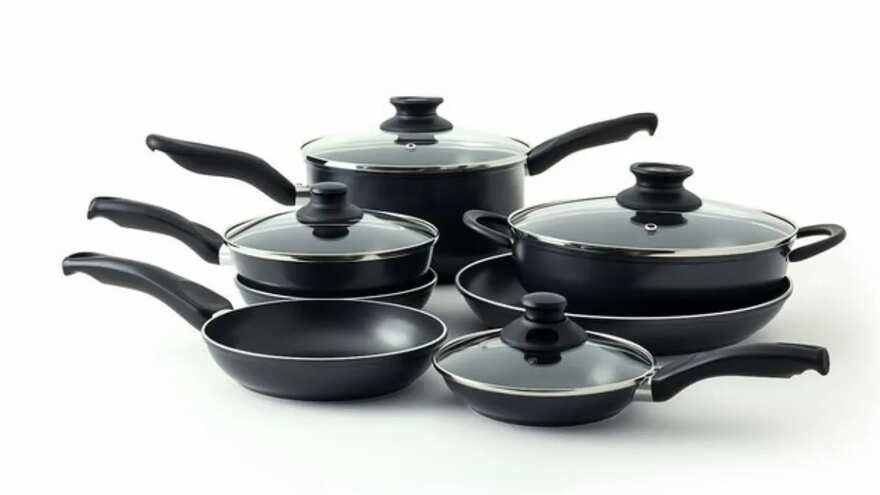
Is this practice evolving, with people opting for modern cookware over traditional vessels?
Of course, times are changing. These days, many people prefer modern cookware, such as non-stick pans, mixers, or even air fryers. And honestly, I don’t see any harm in that. Dhanteras is about intention and gratitude, not just the material. So, if a new kitchen gadget makes your cooking easier and brings joy to your family, why not?
Do you have a personal ritual for inaugurating new cookware on Dhanteras?
In our home, we always inaugurate new utensils by preparing something sweet. My mother-in-law insists the first dish cooked or served in a new vessel should be ‘prasad’, something we offer to Goddess Lakshmi and Lord Ganesha. Every year, we make chawal aur makhane ki kheer for this ritual. Moong dal halwa is our family favourite, it’s rich yet nourishing. And if we make a vegetable, it’s always without onion or garlic. My daughter loves paneer butter masala, so that dish often finds its way to the table.
Can you share a fond childhood memory connected to Dhanteras?
I’m a Delhiite, and if you too are one, there’s a famous Deputy Ganj market in Sadar Bazaar, which you would have heard about, known for its endless rows of shining metal utensils. As a child, I used to love tagging along with my parents there on Dhanteras. I still remember the joy of selecting my very own steel thali, which had Mickey and Donald engraved on it, and I was incredibly proud of it! Even today, I use that thali whenever I visit my parents. Every time I hold it, it takes me back to those carefree days, the chatter of that market, the sparkle of new brass pots, and the excitement of waiting for the Diwali lights to twinkle across the city.
Upender Gupta
Chef at The Orchid Hotel, Shimla
Why do you think buying new cookware or utensils has remained such a strong part of the Dhanteras ritual in Indian homes?
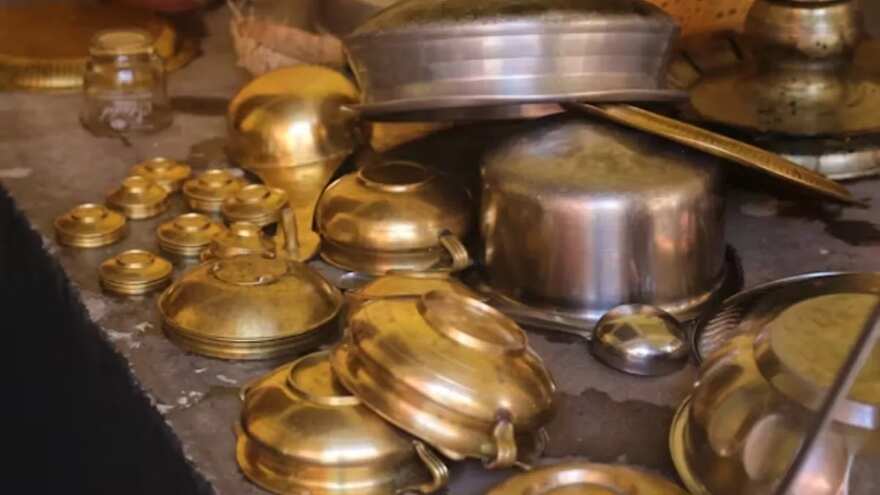
Dhanteras marks the beginning of Diwali and is dedicated to Goddess Lakshmi (goddess of wealth and prosperity) and Dhanvantari (god of Ayurveda and health). Buying metal, especially silver, brass, or steel, is believed to attract wealth and please Goddess Lakshmi. Utensils represent abundance, nourishment, and the ability to serve and host, which are signs of prosperity. The word Dhan means wealth, and making a purchase, even something as simple as a spoon or a steel plate, is considered an invitation to wealth into the home.
Can you share your family's tradition of buying new utensils on Dhanteras?
In our family, buying new utensils on Dhanteras is a ritual that feels almost sacred, and yes, we’ve always done it. Every year, my parents would head out, even if just for a small item like a steel bowl, thali, or ladle. The idea wasn’t to splurge, but to keep the tradition alive. My mother would say, “Even one spoon counts, as long as it’s new and brought home with good intentions.”
Do you have a personal ritual for inaugurating new cookware on Dhanteras?
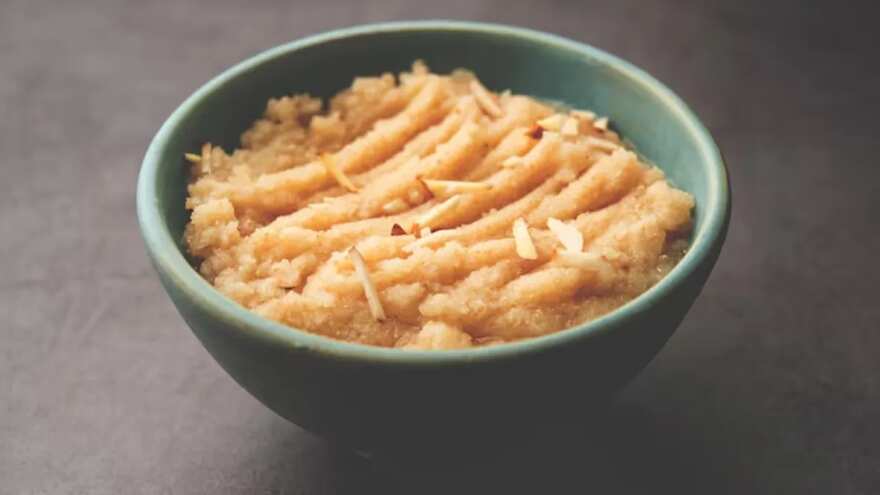
Once we bring the new brass utensil home, we don’t use it casually. First, we wash it carefully, sprinkle a little Ganga jal, and place it near our home temple during the Dhanteras puja. It becomes part of the offering to Goddess Lakshmi. Then comes the heart of the ritual: we cook halwa, with ghee, suji (semolina), sugar, and nuts, in the new utensil. The halwa is then offered to the gods first, and only afterwards shared with the family as prasad. It’s our way of saying, “May sweetness, warmth, and abundance fill this home all year long.”
Can you share a fond childhood memory connected to Dhanteras?
I recall my teenage years. That year, my mother insisted we needed a new brass kadhai, for prasad only, she said, not to be used for everyday cooking. We all tagged along to the local market, dodging crowds, sampling sweets, and finally found one, perfectly round, heavy-bottomed, with a golden sheen that caught the afternoon sun. My younger sibling complained it was “too plain,” so the shopkeeper tied a tiny red ribbon on one handle, and somehow, that made it perfect.
Arun Kumar
Executive Chef at Araiya Palampur
Can you share your family's tradition of buying new utensils on Dhanteras?
I strongly believe that Dhanteras isn’t about what we buy, it’s about what we begin. My family often chose brass or steel. Brass for its timeless beauty and Ayurvedic warmth, and steel for its resilience and simplicity.
Do you think this practice is evolving, with people opting for modern cookware over traditional vessels?
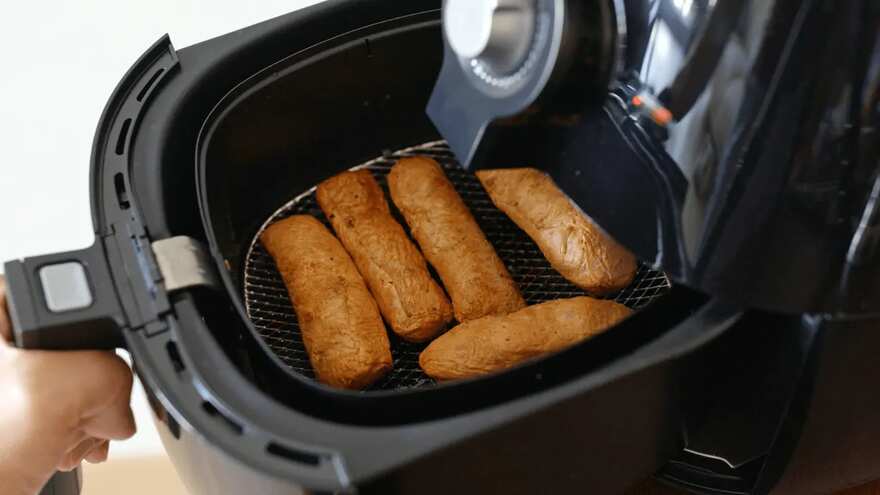
Over time, I’ve seen this tradition evolve. Today, people bring home non-stick cookware, cast-iron pans, or even sleek air fryers instead of copper pots. And that’s the beauty of Dhanteras. It adapts and it grows. The spirit lies not in the material, but in the intention. Whether you buy a peetal thali or a digital air fryer, you’re still celebrating abundance, renewal, and the joy of giving.
Do you have a personal ritual for inaugurating new cookware on Dhanteras?
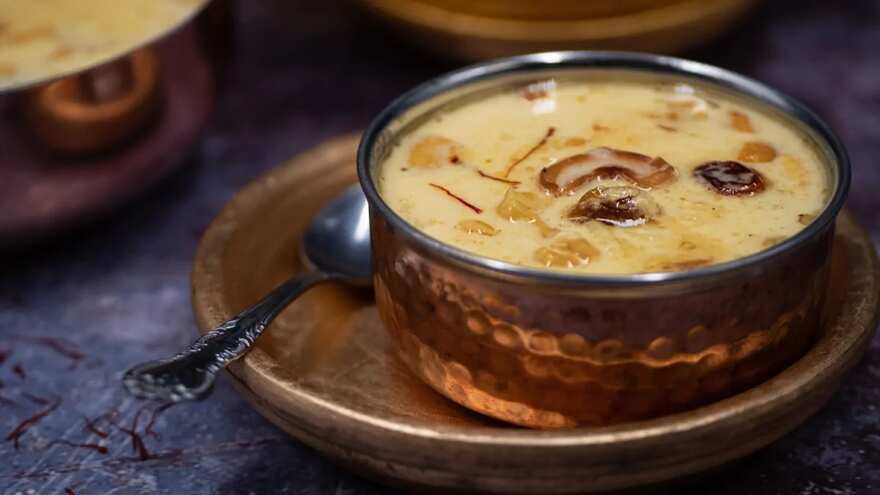
At my home, we follow the ritual of inaugurating new utensils. It is washed with milk and water, placed beside the Lakshmi diya, and used the same evening to cook something sweet. Traditionally, we often made kheer or halwa, aiklu, sheera, and sometimes kadah. And as my mother would say, “Sweetness must always lead the way.”
What advice would you give to Slurrp readers on choosing their first Dhanteras vessel?
For those starting this tradition anew, my advice is simple: start small but start with meaning. Choose a utensil that speaks to you, that will find purpose in your kitchen, and that you’ll use often. Let it remind you that abundance begins in gratitude. And also that every meal cooked with intention is a celebration, as the cooking utensil might change or even wear off with time, but the sentiment and the positive attitude while cooking remain.




