


 Share
Share

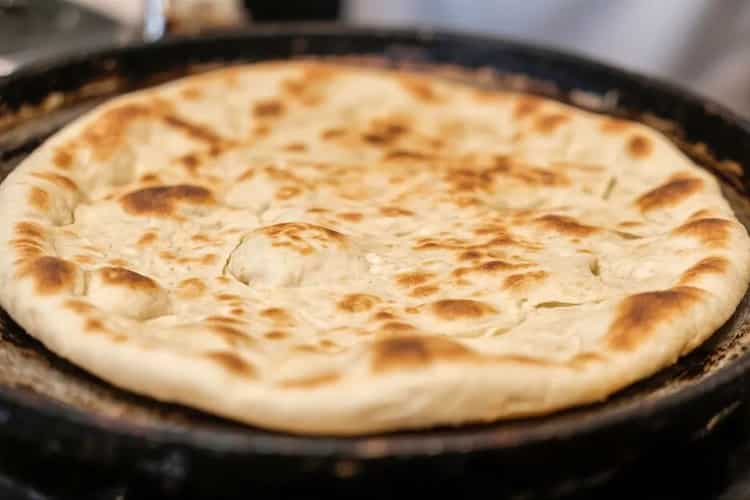
Paratha has always been that one Indian staple that proves how versatile flatbreads can be. Its structure allows layering, stuffing, folding or rolling, which means one technique change can create a completely new version. The flaky surface holds flavour really well, and the inner layers can hide multiple fillings. That is why paratha effortlessly shifts from breakfast to dinner and from traditional recipes to viral experiments.
(Image Credit: Freepik)
At the same time, India’s street-food culture has created newer twists such as pizza paratha or even cheese burst paratha, which go viral. In many homes, leftover sabzi becomes a quick filling, proving its practicality. Hotels push it further through combinations like mushroom paratha, corn paratha, or mixed vegetable paratha, each showing how easy it is to customise.
Chocolate Paratha
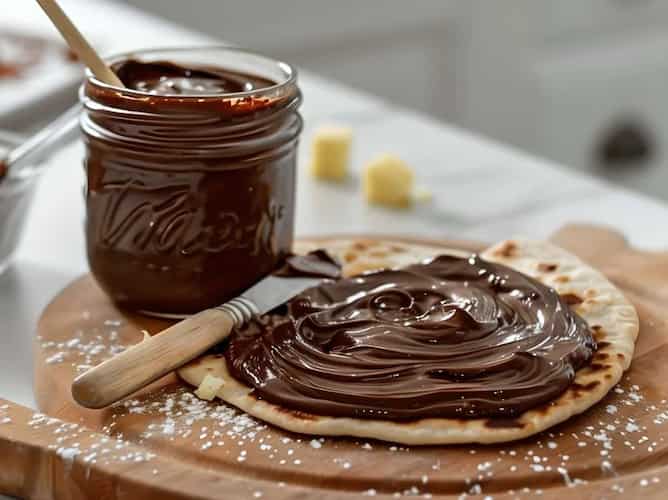
Chocolate paratha stands out because it takes a classic flatbread and flips the expectation of savoury fillings entirely. Its uniqueness comes from how the layers of the paratha help the chocolate soften gradually instead of melting too fast, which gives a controlled gooey texture rather than a runny mess. To make it properly, the dough must be rolled slightly thicker, allowing the chocolate to hold shape until the final few seconds of cooking. The pan’s temperature should stay medium so the paratha browns without burning the filling.
(Image Credit: Freepik)
Marshmallow Paratha
Marshmallow paratha is unique because the filling changes texture dramatically during cooking, shifting from firm to stretchy without losing its shape. It plays on the fun, elastic character of marshmallows that expand when heated, making the paratha puff slightly more than usual. The dough must be rolled evenly to prevent thin spots, as marshmallows melt unevenly if the heat hits one section faster. Cooking on a low to medium flame helps the marshmallows soften slowly, which prevents caramelisation on the inside. Once cooked, letting the paratha cool briefly stops the filling from stretching out uncontrollably when cut.
Blue Cheese Paratha Pockets
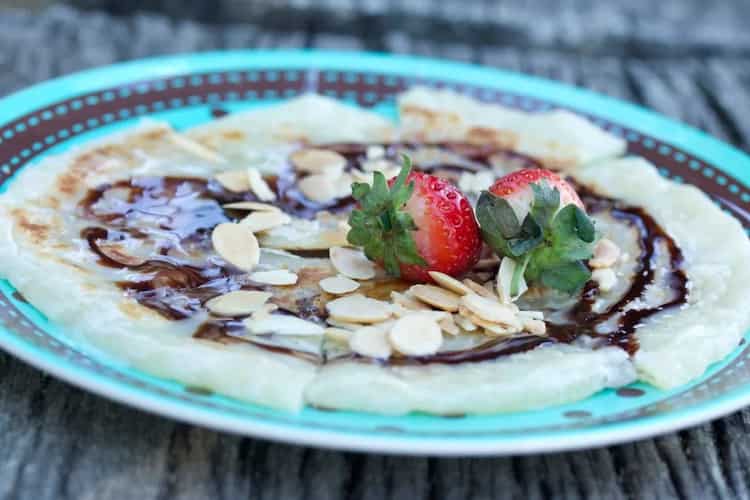
Blue cheese paratha pockets are unique because they use a strong, savoury ingredient that transforms completely when exposed to heat. The intensity of the cheese softens inside a sealed pouch, giving a warm, mellow flavour instead of the sharpness people expect. The dough should be rolled slightly thicker to support the filling, and the edges must be crimped tightly to avoid the cheese seeping out. Cooking on a low flame helps the dough crisp while giving the cheese enough time to melt evenly.
(Image Credit: Freepik)
Fruit and Cream Paratha
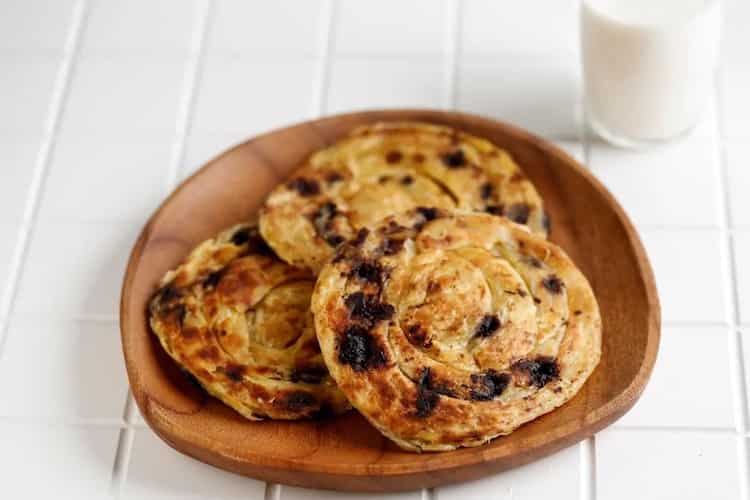
Fruit and cream paratha stands out for its contrast between a warm exterior as well as a cool, soft filling. This version requires balance because cream toppings and fruits. A simple paratha turns out to be distinct with these unique toppings. Using firm fruits prevents excess moisture, helping the structure stay intact. Chilling the cream mixture before stuffing is a good idea; it slows the melting and allows for more precise plating.
(Image Credit: Freepik)
Blueberry Jam Paratha
You have heard about jam roti as a common meal. Blueberry jam paratha is similar because it uses a spreadable filling that cooks into the bread rather than staying separate, creating a naturally sweet, glossy centre. It is the same as jam pie, but in the shape of flatbreads. Also, the jam thickens slightly when heated, giving a syrupy texture that pairs well with crisp, browned layers. It should be cooked on low heat to avoid caramelising the sugars too quickly, which can cause sticking. Once ready, it tastes best slightly cooled so the filling firms up.




