


 Share
Share

Eating twelve grapes at the stroke of the New Year is already a well-known fruit-eating tradition, symbolising prosperity and good luck for the twelve months ahead. Since fruit is already central to the ritual, it naturally opens space for thoughtful innovation.
Similarly, other traditional fruits served during New Year gatherings can be reimagined as tanghulu variations, using seasonal produce and light coatings. This approach does not replace the tradition; it enhances it.
By modernising presentation while preserving meaning, tanghulu variations allow age-old fruit rituals to evolve with changing tastes, making them more engaging for contemporary celebrations.
5 Tanghulu Variations To Try During New Year
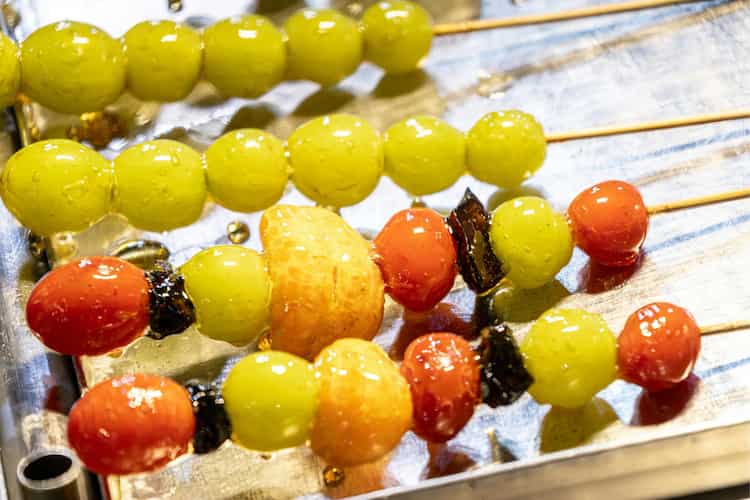
1. Classic Grape Tanghulu
Grape tanghulu works especially well for New Year celebrations because grapes are naturally bite-sized and require minimal preparation. Their thin skin allows the sugar coating to set quickly, creating a clean, crisp crack. This variation is ideal for traditions such as eating twelve grapes at midnight, as portion control remains effortless. To prepare it easily, wash and thoroughly dry seedless grapes, then skewer them in small clusters. Heat sugar with a small amount of water until it reaches a clear, bubbling stage. Dip each skewer quickly, allow excess syrup to drip off, and place on parchment paper to set. For an easier approach, single grapes can be coated individually using toothpicks. The result feels celebratory while staying simple, making it a practical upgrade to a familiar fruit ritual.
2. Strawberry Tanghulu With Citrus Zest
Strawberries have a natural sweetness and colour, which makes them visually striking on festive tables. Adding citrus zest enhances the aroma and colour without altering its core flavour. For easy preparation, choose firm, evenly sized strawberries and remove moisture completely, as water prevents proper sugar adhesion. Prepare a basic sugar syrup and stir in lemon or orange zest once the syrup is off the heat. Dip strawberries briefly, then place them on a silicone mat to harden. A simplified method involves coating halved strawberries rather than whole ones, reducing sugar usage and setting time. This version offers balance, brightness, and elegance while remaining beginner-friendly.
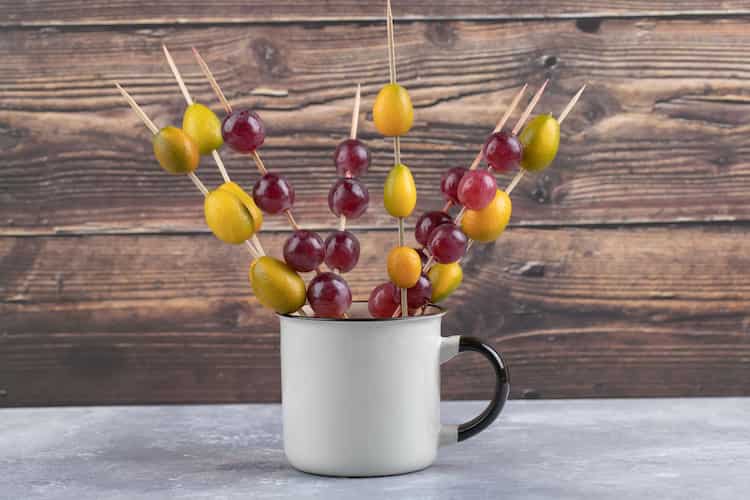
3. Mandarin Segment Tanghulu
Mandarin tanghulu feels light and refreshing, making it suitable after heavy New Year meals. The natural acidity of citrus prevents the sugar coating from tasting overly sweet. For ease, peel mandarins carefully and separate segments without tearing the membranes. Pat them dry thoroughly. Instead of skewering, segments can be dipped individually using forks, making the process quicker and more flexible. A thin sugar coating works best here, as thick shells overpower citrus notes. This variation stands out for its clean flavour and minimal preparation effort.
4. Pineapple Chunk Tanghulu
Pineapple tanghulu delivers bold flavour with a subtle tropical edge. The fruit’s firmness holds up well during dipping, making it forgiving for beginners. Cut the pineapple into uniform chunks and dry them completely. For an easy upgrade, add a pinch of cinnamon or star anise to the sugar syrup while heating, then strain before dipping. Skewering two to three chunks per stick speeds up preparation. Pineapple’s acidity keeps the sweetness in check, creating a balanced festive treat that feels indulgent yet approachable.
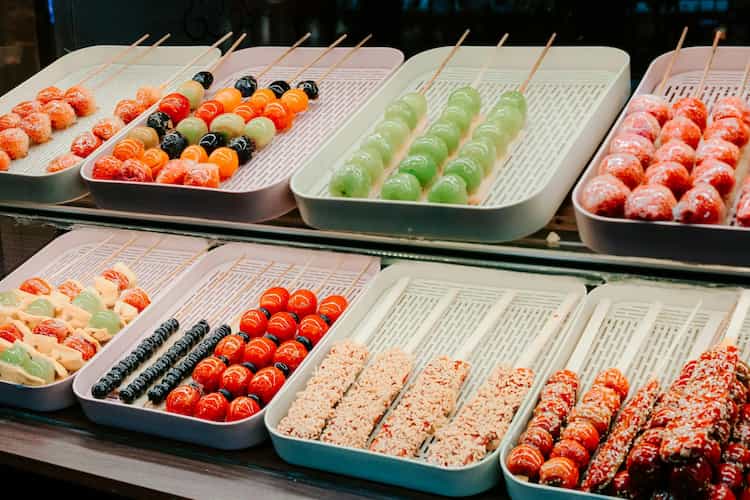
5. Mixed Berry Bite Tanghulu
Mixed berry tanghulu offers variety in both texture and taste. Blueberries, raspberries, and blackberries each interact differently with the sugar shell, creating contrast in every bite. To simplify preparation, coat berries individually rather than skewering, which reduces breakage. A shallow pan of syrup allows quick dipping without excess handling. Place coated berries on parchment paper and let them set naturally. This variation works well as a sharing platter, offering multiple flavour experiences while keeping preparation flexible and low-effort.




