


 Share
Share

Do you ever wonder why you squinch your nose looking at lauki or tinde? Or why is it that you melt just by looking at that cheesecake or cheese garlic bread? You could be a foodie who eats to live, or a picky eater who still takes out the vegetables from a slice of pizza. Or perhaps, your relationship with food is a bit more complicated than two easy labels.
But where did it come from? From children being introduced to desserts as a reward to finishing all the food on a plate to earn weekly stars, childhood habits have a lot to do with how you look at food. This Children’s Day, Slurrp interviewed Ria Talwar, a counselling psychologist (HCPC Registered), to dig deeper into the subject. Being an Eating Disorders Specialist at Samarpan Recovery and Rehabilitation Centre, here’s what Ria had to say about the psychological strings that connect your childhood to your plate.
Why We Eat What We Eat
It’s no surprise that early childhood days are what shape most of the eating habits. Just as behavioural patterns impact a personality, eating behaviour is deeply entrenched in how a child perceives food.
“One of the main theories that applies to this behaviour is the social learning theory. According to this theory, children learn through imitation and observation of their role models, which are usually a parental figure and their surroundings,” explains Ria Talwar. “Hence, depending on what has been introduced, what practices they have seen existing within their household can have a huge impact on their eating behaviour and patterns.”
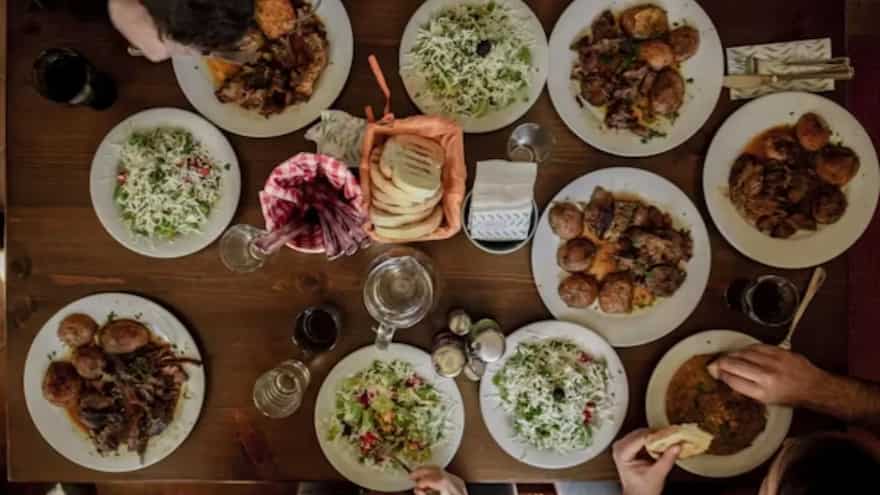
Image Credit: Unsplash
Taking real-world examples, she further explains how sitting together with the family for an enjoyable mealtime versus eating separately while watching television or reading a book can impact a child’s relationship with food. These habits, she notes, aren't formed at a specific age but develop "gradually through early experiences."
The Good Food And Bad Food Shift
One of the most damaging lessons from childhood is the moralisation of food. Everyone has heard the common phrases like ‘finish the vegetables, they are good for health, and too much chocolate is bad.’ Or the reward-based system, where if you finish a good meal, you’d get ice cream too, leads to labelling food.
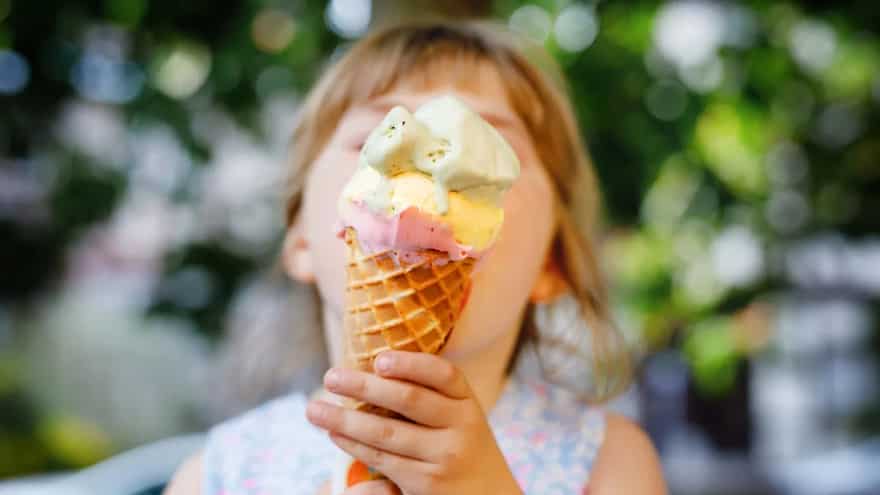
Image Credit: Adobe Stock
“Identifying certain foods as good and the rest as bad makes children feel they’re doing something wrong, which often introduces the feelings of guilt,” Talwar breaks it down. “When guilt becomes excessive, it can lead to other harmful behaviours such as compensating with food, over-exercising, or developing patterns linked to eating disorders.”
The solution, she suggests, is to swap moral labels for psychoeducation. "Children should learn the impact of food and their nutritional value. This way, they’ll develop an ability to make informed choices rather than judging food or inculcating long-term negative patterns.
Does Upbringing Matter: Joint Family VS Nuclear Family
You might think that a child, pampered by their grandmothers, could easily trade lauki ki sabzi for an aloo ka paratha. But Ria busts the common assumption. “There isn’t a direct link between who raises a child and how they eat,” she says. “It depends more on the caregiver’s individual relationship with food. Some may emphasise routine and balance, while others may express love through indulgence or comfort foods.”
"I don’t believe that pampering necessarily leads to picky eating," Talwar notes. "Pampering can mean... giving them comfort and a little extra love." However, she adds, “If pampering looks like a lack of structure, overcompensating with certain foods, or an inability to regulate the child’s requests, it can become a concern.”
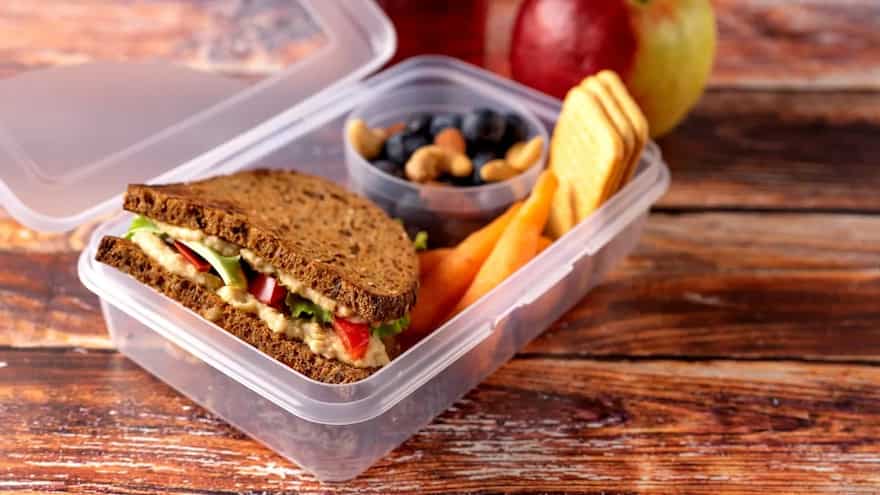
Image Credit: Adobe Stock
She emphasises that when boundaries are missing and a child’s need for ‘tasty’ food is always fulfilled, they can become picky eaters. It also limits the child’s palate and reduces their curiosity about different types of food.
On the other hand, kids who grow up in nuclear families, especially with working parents who are often sent to play schools or creches, hardly get a choice in what they eat. “Sometimes such situations can affect how children learn to recognise hunger cues and their likes,” Ria draws a comparison.
So, she advises parents to let kids experience a wide variety of food. From introducing them to new food groups with varied textures, tastes, and aromas to expand their palate and also develop an openness towards trying new foods.
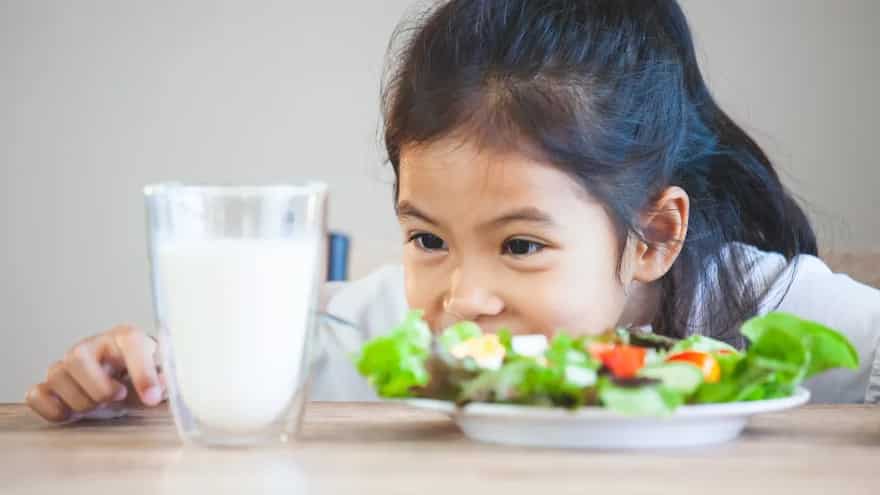
Image Credit: Adobe Stock
This brings another commonly observed rule - clean the plate. Talwar suggests that the fear of always finishing the food on the plate can lower their awareness of trusting their hunger cues and what the body requires. It can also result in feeling full to the point of feeling sick, yet unable to stop oneself.
As an alternative, she suggests, “Set realistic expectations and teachings about not wasting food, which is an important concept that children should be taught from an early age. Another way can be to recommend taking smaller portion sizes, which can later be topped up if needed.”
Food Aversion Or Something Deeper?
Not all food dislikes are surface-level. Talwar explains that extreme aversions could be signs of conditions such as ARFID (Avoidant Restrictive Food Intake Disorder). “ARFID often develops in childhood, where a child may form strong aversions to certain foods that go beyond simple dislike. These aversions can be linked to sensory sensitivities, such as the texture, appearance, colour, or smell of food,” she explains. “For instance, some children may find certain textures like moist or squishy foods particularly uncomfortable. While these preferences might seem typical, in ARFID, they come with a strong physical aversion, often connected to heightened sensory sensitivity, making it difficult for the person to tolerate or digest those foods comfortably.”
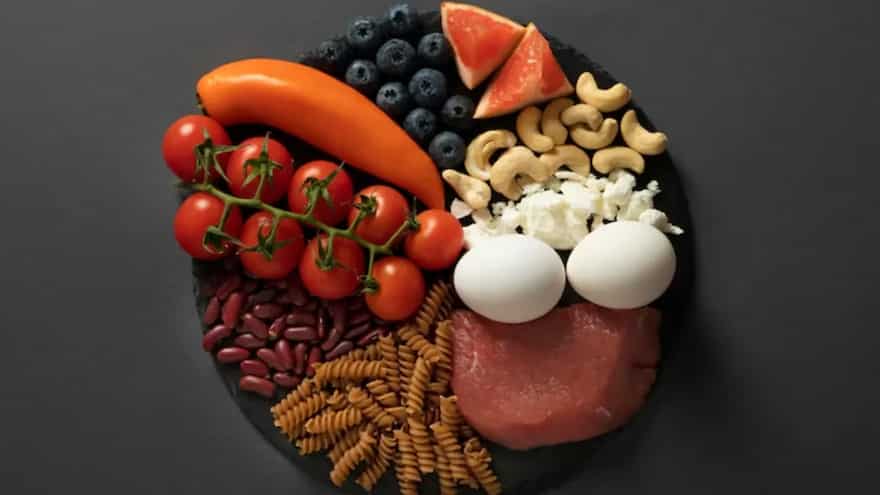
Image Credit: Freepik
Another common factor in food aversion is a negative past experience. Incidents like choking, stomach infections, or allergic reactions. Ria highlights, “When such incidents occur, the brain may create a deep link between that specific food and feelings of fear or anxiety, leading to avoidance.”
Ultimately, Talwar’s message to parents is to remember that food is far more than just fuel. “To prevent children from developing a self-critical inner voice, it’s important to teach them about food without attaching judgment. This helps them experiment with food and step out of their comfort zone,” she concludes.




