


 Share
Share

Image Credit: Freepik
The onset of the winter season in Punjab is marked by the lush green farms with the bright yellow-coloured mustard flowers in full bloom. Since the northern parts of India experience peak winter season in the months of December and January, the traditional recipes include warm ingredients. With sarson warming your body and jaggery boosting immunity, authentic Punjabi dishes are much more than having an indulgent bite. If you want to have a taste of North Indian cuisine from the comfort of your home, here are some regional recipes specially curated by Chef Bhagwan Singh, Executive Chef at Lohri, Bangalore.
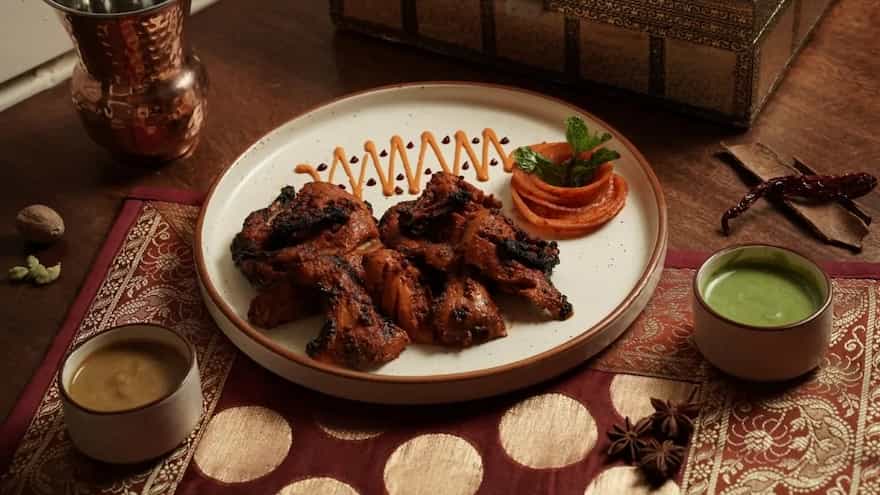
Tandoori Teetar (Partridge)
Ingredients:
- Partridge (Teetar), cleaned: as required
- Hung curd: 100 g
- Cashew nuts (kaju), soaked and ground: 20 g
- Green coriander paste: 20 g
- Mint paste: 20 g
- Ginger paste: 10 g
- Garlic paste: 10 g
- Green chillies: 2 pcs, finely chopped
- Lemon: 1 pc
- Garam masala: 5 g
- Jeera (cumin) powder: 5 g
- Kitchen king masala: 5 g
- Dhaniya (coriander) powder: 5 g
- Chaat masala: to taste
- Salt: to taste
- Black salt: a pinch
- Mustard oil: 5 ml
- Butter: for basting
Method:
- Clean and pat dry the teetar thoroughly. Make small gashes on the surface so the marinade seeps in well.
- In a mixing bowl, combine hung curd and cashew paste to form a smooth base. Add green coriander paste, mint paste, ginger paste, garlic paste, and chopped green chillies.
- Mix in all the dry spices: garam masala, jeera powder, kitchen king masala, dhaniya powder, salt, and black salt. Squeeze in the juice of one lemon.
- Add mustard oil and whisk everything together until the marinade is thick, glossy, and well-balanced.
- Coat the teetar generously with the prepared marinade, ensuring it reaches the gashes.
- Cover and refrigerate for at least 2–3 hours (overnight gives best results).
- Skewer the marinated teetar, and place into a hot tandoor, basting occasionally with butter until cooked through and lightly charred.
- Sprinkle chaat masala over the hot teetar. Serve with lemon wedges, onion rings, and mint chutney.
Tandoori Shakarkandi
Ingredients:
- Shakarkandi (sweet potato), peeled and cut into thick rounds
- Hung curd: 100 g
- Ginger–garlic paste: 10 g
- Garam masala: 5 g
- Degi mirch: 3 g
- Jeera (cumin) powder: 3 g
- Kitchen king masala: 5 g
- Kasoori methi: 1 g, crushed
- Dhaniya (coriander) powder: 3 g
- Green elaichi (cardamom) powder: 2 g
- Lemon: 1 pc
- Salt: to taste
- Black salt: a pinch
- Chaat masala: to finish
- Thick cream: 1–2 tbsp
- Butter: for basting
- Mustard oil: 5 ml

Method:
- Parboil the shakarkandi until they are just tender but still firm (they should not crumble). Drain and let them cool before marinating.
- In a mixing bowl, whisk together hung curd and ginger–garlic paste until smooth.
- Add garam masala, degi mirch, jeera powder, kitchen king, dhaniya powder, kasoori methi, and green ilaichi powder.
- Season with salt and a pinch of black salt. Squeeze in the juice of one lemon.
- Add the cream for richness and mustard oil for smokiness. Mix until the marinade is thick, creamy, and well combined.
- Gently coat the parboiled shakarkandi pieces in the marinade. Rest for 30-45 minutes to allow the flavours to absorb.
- Skewer the shakarkandi and use a chunk of raw potato or carrot at the end to ensure the shakarkandi does not slip off the skewer when being roasted.
- Roast the marinated shakarkandi in the tandoor, basting lightly with butter until charred at the edges and cooked through.
- Dust lightly with chaat masala. Serve hot with lemon wedges and green chutney.
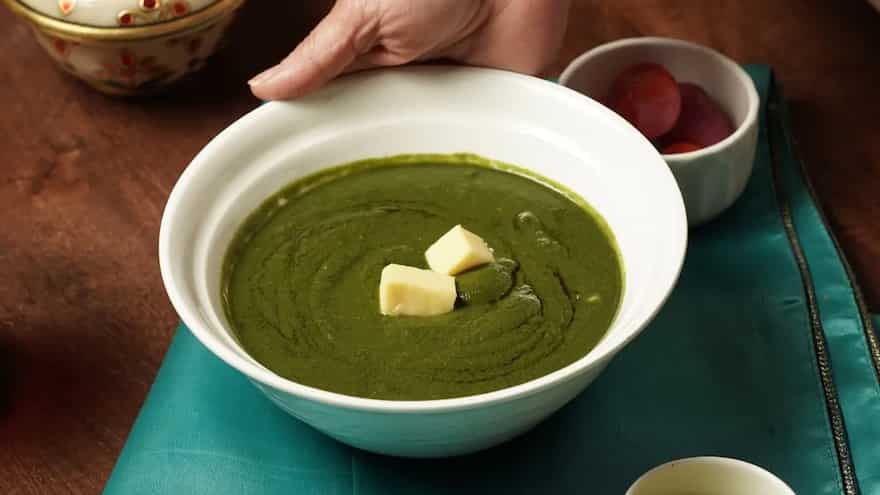
Sarson Da Saag:
Ingredients:
- Sarson (mustard greens): 500 g
- Palak (spinach): 250 g
- Ginger: 1 inch, roughly chopped
- Garlic: 6–8 cloves
- Green chillies: 2–3 pcs
- Makki ka atta (cornmeal): 2 tbsp
- Ghee: 2–3 tbsp
- Onion: 1 medium, finely chopped
- Tomatoes: 2 medium, finely chopped
- Turmeric: ½ tsp
- Red chilli powder: ½ tsp
- Salt: to taste
- Butter: to finish
Method:
- Clean and wash the sarson and palak thoroughly as they tend to hold mud in the roots.
- Roughly chop them and place in a heavy-bottomed pot. Add ginger, garlic, green chillies, a pinch of turmeric, and a little water.
- Cover and cook on low heat for 25-30 minutes, until the greens soften completely.
- Once cooked, mash the greens using a wooden madani (whisk) or blender on pulse mode.
- Add makki ka atta and mix well. This thickens the saag and gives it its signature texture. Simmer again for 10-15 minutes on low heat.
- Heat the ghee in a pan. Add chopped onions and sauté until golden.
- Mix in tomatoes, red chilli powder, and salt. Cook until the tomatoes melt into a thick masala.
- Add the prepared tadka directly into the simmering saag. Stir well and cook for another 5 minutes to let the flavours meld.
- Finish with a generous dollop of butter.
- Serve piping hot with makki di roti, jaggery, and white butter for a traditional rustic experience.




