Share


All those who order food online know that feeling very well: when all you add is a roll, but what you get in return is a platform fee, packaging charge, delivery fee, and that weird “small cart” fee along with it. Due to this, in present times, ordering online seems less like a cheap shortcut and more like an expense you have to justify.
These new apps are trying to bridge this gap. Swiggy has Toing, Rapido has Ownly, and Flipkart is working on a food delivery service of its own. All of them are chasing the same person: someone who wants a decent meal delivered for around ₹100 and doesn't want any added fees at checkout. Whether this sticks around or fizzles out once the discounts dry up, only time will tell.
Where Did These Apps Come From?
Swiggy first tested the idea through a ₹99 Store within its main app rather than launching a separate platform. The store went live across 175 cities, offering meals priced between ₹49 and ₹149. It later launched Toing last year, choosing Pune as its first market instead of Bengaluru, where it usually tests new ideas. Most meals on Toing are priced between ₹100 and ₹150, with occasional flash deals below ₹99. The platform fee is also slightly lower at ₹12, compared to ₹14.99 on the regular Swiggy app.
Furthermore, Rapido came at it from a completely different side. Its app, Ownly, started small in Bengaluru neighbourhoods like Koramangala and HSR Layout before opening up to the whole city in March this year. The pitch is refreshingly simple, i.e restaurants pay no commission, menu prices stay close to what you would pay at the counter, and you pay a delivery fee for the ride. Of course, not every idea works out. Swiggy has already shut down Snacc, its 15-minute snack delivery app, after it couldn't grow it enough. Cheap and fast sounds great in a launch announcement, but making the numbers work month after month is a different story
Who Is Actually Ordering?
Source: Pexels
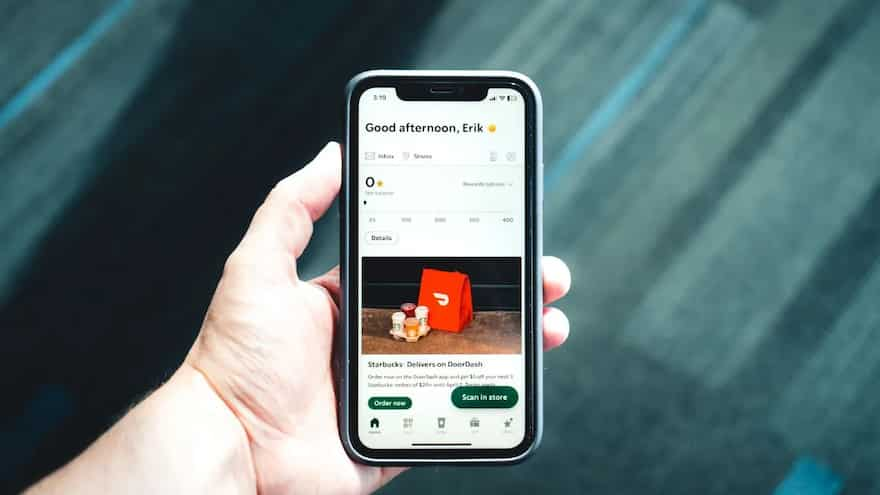
This is where things get more interesting. According to Swiggy CEO Sriharsha Majety, two out of every three new users on Toing had never used a food delivery app before. Rapido says something similar about Bengaluru, where around 15% of Ownly's new orders come from people ordering food online for the very first time.
In other words, these apps aren't just tempting regular Swiggy and Zomato users with a discount. They are reaching people who were always of the opinion that ordering in was a little too expensive for them.
Also, restaurants are joining in too. Ownly has signed up about 2,300 restaurants in Bengaluru, and roughly 15% of them had never been on a delivery app before. Rapido has said it wants to bring in the tens of thousands of small eateries in the city that aren't on Swiggy or Zomato at all, like the local darshini or the dosa stall outside the metro station, which never really had a reason to go online until now.
What Can You Actually Get For ₹99?
Open Toing and the menu looks a lot like a college canteen: burgers, sandwiches, rolls, fries, shakes, coffee, mini meals, cakes and desserts, with most of it priced under ₹150. Ownly feels more like everyday home food. When it launched, it listed rice and egg dishes for under ₹100 and had at least four meals costing ₹150 or less.
The food on these apps is the kind that cooks fast, travels well and keeps you full for a few hours. Portions are usually on the smaller side; there are fewer sides and add-ons to choose from, and you can mostly order only from places fairly close to where you are.
Honestly, for most people ordering at this price, none of that is a dealbreaker. Nobody is opening Toing for a Sunday biryani feast with the family. It's meant for those weeknights when it's 9 pm, the fridge is empty, and spending ₹300 on dinner just isn't an option.
Who Is Paying The Difference?
Source: Pexels
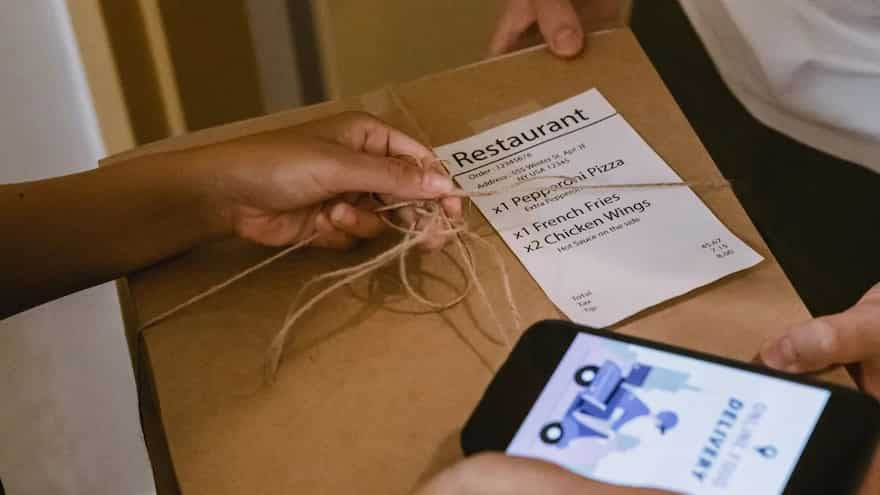
Cheap food doesn't mean the costs simply vanish. Somebody still has to cook the meal, pack it and carry it across the city, and each of these companies has its own idea about how to cover that bill.
Rapido believes the highest cost is the delivery itself. It already has a huge network of bike-taxi riders, and food orders tend to come in at hours when not many people are booking rides, which helps keep its delivery costs lower. Restaurant owners have also been saying for years that the prices you see on food apps already include the commission they pay. Take that commission away, and the menu price can come down closer to what you would pay at the restaurant itself.
Swiggy's route is costlier, at least for now. Toing has been around for over a year, and investors still aren't comfortable with how much money it is burning. Swiggy, on the other hand, is making record profits from its main food delivery business and sees Toing as a way to bring more people into online ordering.
What we don't know yet is how all of this affects the people in the middle. If the bill keeps becoming smaller, the money has to come from somewhere.
So, Is ₹99 Here To Stay?
We think that the price point will stick around, even if some of these apps don't. With the help of these apps, many students and young professionals have realised that ordering food can fit into their budget, and many small eateries are also now becoming online. For anyone ordering, the ₹99 meal is a nice little win, as long as you know what you're getting. The portions are smaller, the choice is narrower, and somebody somewhere is covering the cost.
For the rest of us, it says a lot about how people in Indian cities eat today, where rent, EMIs, salaries, and long evenings alone in a new city shape dinner equally as much as the cravings do. The cheap-meal wars might look like a fight between apps, but really, they are about what a young, hungry and tight-on-cash generation is happy to eat at 9 pm on a Tuesday.