


 Share
Share

Peaches are popular because of their balanced flavour profile that combines natural sweetness with mild acidity. When fully ripe, they taste juicy, fragrant, and slightly floral, with a soft texture that almost melts in the mouth. Their aroma is often as noticeable as their taste, which makes them appealing in desserts, salads, and beverages. Unlike sharper fruits, peaches are smooth and rounded, which allows them to blend easily into sweet as well as savoury dishes.
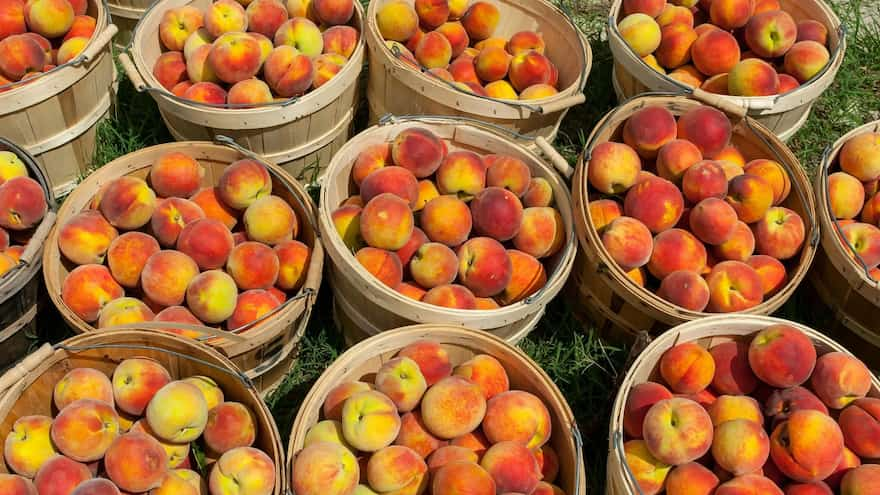 However, peaches are delicate to store because they continue ripening even after being picked. Their thin skin bruises easily, and excess pressure can cause soft spots quickly. Once ripe, they spoil faster than many other fruits due to high moisture content. Temperature changes also affect their texture, sometimes making them mealy. Proper handling, controlled refrigeration, and minimal stacking are necessary to maintain freshness without damaging their structure.
Easy Methods To Store Fresh Peaches At Home
Store Ripe Peaches In A Single, Padded Layer
Ripe peaches are delicate due to their high moisture content and thin skin, which makes them vulnerable to bruising. To store them properly, line a shallow container with a clean paper towel and arrange peaches in a single layer. Avoid stacking or overcrowding, as pressure speeds up spoilage. Keep the container in the refrigerator’s crisper drawer, where humidity levels are more controlled. The paper towel absorbs excess moisture, preventing condensation from forming on the surface. 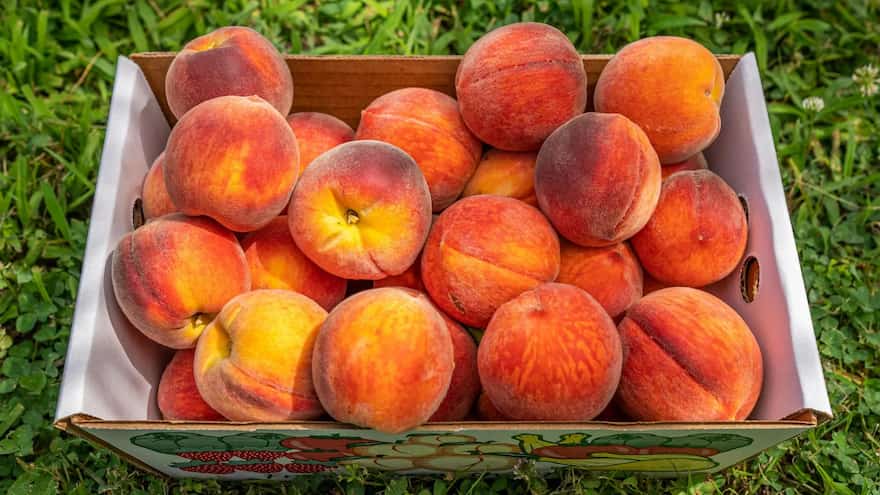
Check the peaches daily and remove any that begin to soften too much. Even one overripe fruit can affect the others. Avoid washing peaches before storage, as added moisture shortens shelf life. Instead, rinse only before eating. This careful arrangement slows deterioration while keeping the fruit firm and flavourful for several additional days.
Dry Peaches To Concentrate Flavour Naturally
Drying peaches removes moisture while intensifying their natural sugars, making them suitable for long storage. Slice peaches evenly and arrange them on a dehydrator tray or clean surface exposed to controlled sunlight. Ensure slices do not overlap to allow consistent drying. Turn occasionally to prevent uneven moisture retention. The process may take from several hours to a few days depending on the method and humidity.
 Once fully dried, the slices should feel leathery but not brittle. Store them in airtight containers in a cool, dry place to prevent reabsorption of moisture. Dried peaches are convenient for snacks, baking, or cereal toppings. Unlike freezing, drying changes texture significantly but preserves sweetness in a concentrated form. Proper storage keeps them usable for several months without refrigeration.
Preserve Peaches Through Canning In Light Syrup
Canning peaches is a traditional preservation method that protects both flavour and texture for extended periods. Begin by blanching the peaches briefly to remove the skin, then slice and place them in sterilised jars. Prepare a light sugar syrup and pour it over the fruit, leaving appropriate headspace. Seal the jars properly and process them in boiling water according to safe canning guidelines. This method prevents bacterial growth and allows storage for months.
Light syrup helps maintain colour and prevents oxidation while enhancing sweetness gently. Store sealed jars in a cool, dark place away from direct sunlight. Once opened, refrigerate immediately and consume within a few days. Proper canning requires attention to hygiene and timing, but it ensures peaches remain usable long after fresh fruit disappears from markets.
Store Peaches Stem-Side Down To Prevent Bruising
The way peaches are positioned during storage can influence how well they hold their shape. Placing peaches stem-side down reduces pressure on the softer base of the fruit. The stem end is naturally firmer and less likely to bruise under light contact. Arrange them on a flat tray or shallow container rather than stacking them on top of one another. Leave small gaps between each peach to allow air circulation, which helps maintain even cooling in the refrigerator.
Avoid placing heavy items on top of them, as even minor pressure can cause internal bruising that is not immediately visible. Check them daily for soft spots and rotate their position gently if needed. This small adjustment in orientation helps maintain structure and prevents early spoilage. Proper placement may seem minor, but it significantly reduces damage and preserves the fruit’s natural texture for several additional days.
Use A Paper Bag For Controlled Ripening
When peaches are firm and not fully fragrant, place them inside a brown paper bag to help them ripen evenly. Peaches naturally release ethylene gas, and the paper bag traps this gas around the fruit, speeding up the ripening process without artificial heat. Fold the top loosely rather than sealing it tightly, as some airflow is still important. Keep the bag at room temperature and away from direct sunlight. Check the peaches daily by gently pressing near the stem area. 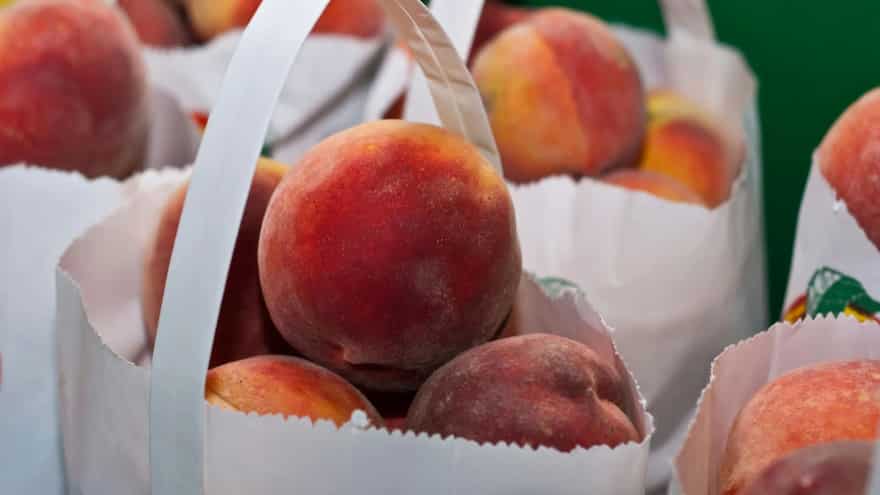
Once they feel slightly soft and release a sweet aroma, remove them from the bag. Transfer them to the refrigerator only after they are properly ripe, as cold temperatures slow down further softening. This method prevents uneven ripening and reduces the risk of one side becoming overripe while the other remains firm. Handling them gently during this stage protects their thin skin from bruising. Controlled ripening ensures better flavour development and extends their overall usability.




