


 Share
Share

Flowers and microgreens sit in the same category of small, fresh garnishing elements that add colour, texture, and light flavour to food. Flowers are the edible blooms of specific plants, used mainly for visual appeal and soft aromatic notes. Microgreens are young vegetable shoots harvested shortly after sprouting, valued for concentrated flavour and crisp texture. Both are lightweight additions that change how a dish looks and how its surface layers taste. They help create contrast on plates that rely on dense or uniform ingredients.
Their rise in winter comes from controlled indoor cultivation, which means they remain available even when seasonal produce slows down. Cold weather does not affect their growth cycle because many are grown hydroponically or in small trays under artificial light. This predictable supply makes them reliable for restaurants and home cooks during months when fresh herbs and delicate vegetables are harder to source.

(Image Credits: Pexels)
They also enhance winter dishes that tend to lean heavy or warm, offering a fresh counterpoint that lifts the final presentation. Social media visibility has further accelerated their use because they appear clean, bright, and photogenic. As a result, flowers and microgreens have moved from niche garnish to mainstream winter staples across home kitchens and professional menus.
7 Types Of Winter Flowers And Microgreens To Try
1. Nasturtium Flowers
Nasturtium flowers are known for their bright colours and naturally peppery flavour, making them a strong finishing element on winter dishes that need a bit of lift. They stay visually striking even when placed on warm food, which is why chefs use them for contrast on soups, roasted vegetables, or grain bowls. The petals are added whole or torn, depending on the level of visual detail required. Their unique character lies in the combination of colour and flavour: they look delicate yet bring a noticeable sharpness that cuts through heavier seasonal dishes. Indoors, they grow steadily during colder months, allowing a regular supply even when most blooms reduce in winter. Their shape holds firm under light heat, giving them flexibility during plating.
2. Marigold Petals (Calendula)
Calendula petals, commonly referred to as marigold petals in culinary use, offer a mild, slightly herbal flavour and a bright colour that works well on dense winter plates. These petals are usually dried or freshly plucked and added as a finishing sprinkle to soups, baked items, or salads. They hold their shape well and do not wilt quickly, which makes them suitable for winter cooking, where hot food is often the main dish. Their uniqueness lies in their ability to mimic saffron-like visual brightness without altering the dish's direction. Because they grow well in controlled indoor conditions, the supply remains stable during the cold months. They add a subtle aroma but focus more on colour and texture, making them a reliable garnish when other fresh herbs become scarce in winter. Their lightweight feel and neutral flavour help lift the appearance of seasonal comfort dishes that may otherwise lack brightness.

(Image Credits: Pexels)
3. Violet Flowers
Violet flowers bring soft flavour and a smooth texture, making them ideal for winter plating where gentle visual elements are often needed. Their natural colour stands out on neutral or earthy seasonal dishes. They are placed whole on desserts, lightly seasoned salads, or warm breakfast bowls. What makes them unique is the subtle floral finish they offer, which complements the base flavours without overwhelming them. They hold up reasonably well at room temperature and retain shape even on warm surfaces for short periods. Violets deliver elegance in presentation and help break the monotony of winter meals by adding a distinct yet controlled floral layer.
4. Radish Microgreens
Radish microgreens have a sharp, peppery bite that pairs well with winter dishes, which often feature warm or rich flavours. Harvested early, they pack strong flavour into light, crisp shoots. They are usually sprinkled over soups, roasted vegetables, bowls, or open-faced snacks. Their vibrant stems and leaves also add visual contrast to winter foods that tend to look heavy. What makes them unique is their ability to provide instant flavour lift without requiring any cooking. Their crispness remains intact even on hot dishes, making them a practical finishing microgreen during cold months. As they add sharpness in small amounts, they help balance the depth of winter spices and broths. Radish microgreens create a clean, defined top layer that brightens both appearance and taste.
5. Pea Shoots
Pea shoots offer a mild, fresh flavour with a tender, snap-like texture that complements winter menus well, providing a lightness. They grow well indoors under minimal lighting, which ensures strong availability even during colder months. These shoots are commonly added to warm noodles, light stir-fries, grain bowls, or sandwiches. Their uniqueness stems from their structure: long tendrils and broad leaves create height, making them ideal for plating where vertical lift is required. They also maintain freshness longer than many delicate greens, which makes them suitable for winter storage. Their flavour stays gentle, helping refresh dishes without overpowering them. Pea shoots work especially well when paired with winter ingredients that lean towards earthy or creamy notes, creating balance through their clean, green accents. Their soft crunch adds a textural layer that improves the overall eating experience of warm seasonal dishes.
(Image Credits: Pexels)
6. Beet Microgreens
Beet microgreens are visually striking because of their red stems and vibrant leaves, making them popular in winter plating where colour contrast is limited. They have a mild, earthy taste that pairs naturally with roasted vegetables, grains, and soups. These microgreens grow reliably in controlled indoor settings, ensuring steady winter availability. Their unique value lies in their colour, which instantly enhances presentation, especially on neutral dishes like root vegetable sides or simple baked snacks. They are added raw at the end of plating to preserve crispness. Beet microgreens retain moisture well without wilting quickly, providing them with better stability than some lighter varieties.
7. Sunflower Microgreens
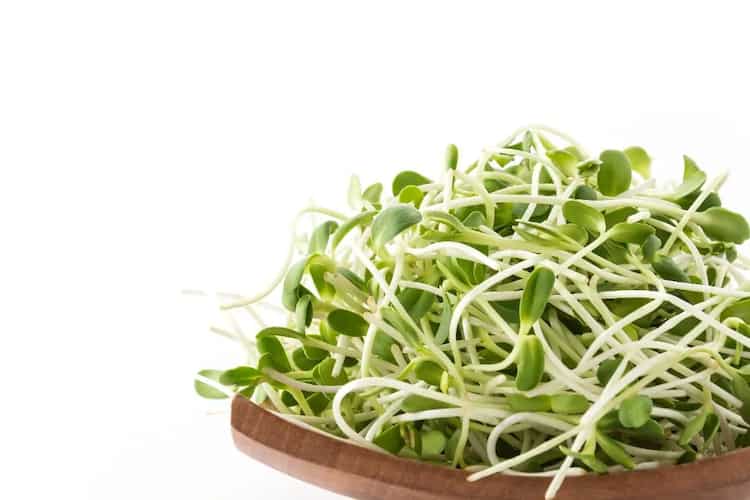
Sunflower microgreens are known for their firm stems and nutty flavour. They provide a substantial bite compared to delicate microgreens, making them suitable for winter dishes that require texture. They grow efficiently indoors, so cold weather does not affect their supply. These shoots are often used on sandwiches, warm salads, soups, or grain bowls. They also maintain structure when placed on warm foods, which is helpful in winter plating.




