


 Share
Share

Winter is a great time to enjoy pakoras since the tastes, textures, and warmth they provide are naturally enhanced by the season. The desire for something hot and crisp is heightened by cold weather, and pakora provides that instant comfort. Winter veggies like potatoes, cauliflower, spinach, methi, and carrots retain their shape better in batter, giving them a richer flavour and a harder bite when fried. The experience is enhanced by the contrast between the chilly air and a newly cooked food, and the scent of spices is more potent in colder climates.
In winter, the batter reacts nicely since the veggies' moisture content somewhat decreases, extending the pakora's crispness. Steady oil temperatures that are unaffected by ambient heat make frying easier. Additionally, pakora goes well with tea, soups, and warm condiments, transforming a straightforward snack into a dependable seasonal favourite that satisfies everyday winter appetites.
5 Winter Vegetable Pakoras To Make This Winter

Image Credits: Pexels
1. Gobi Pakora
Cauliflower pakora is best in the winter because that's when the vegetable is at its best in terms of taste and texture. Fresh winter cauliflower has less moisture, which helps the batter stick evenly and fry into a crisp, golden coating. The florets get softer on the inside while still having a nice bite, which gives each piece a nice balance. Ajwain, chilli, and coriander are winter spices that taste stronger against the neutral taste of cauliflower. This makes the pakora feel fuller and more satisfying. The vegetable also takes in seasoning without getting mushy. Cauliflower pakoras go well with warm chutneys or tea, making a simple snack a cosy choice for winter.
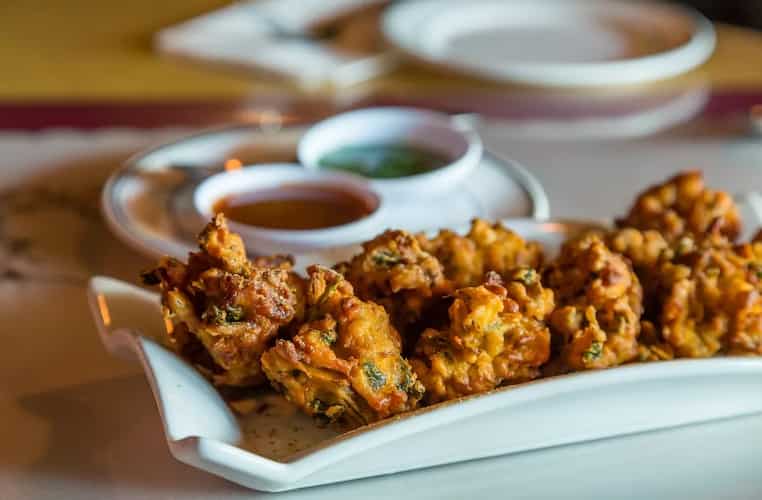
Image Credits: Pexels
2. Palak Pakora
The leaves that are available in the winter are firmer, darker, and full of flavour, which makes spinach pakora a winter favourite. Winter spinach has less water, which helps the batter stick better and makes the edges crisp while keeping the inside light. When you fry the leaves, they become light and airy, making thin layers that stay crunchy longer than summer spinach. Spinach has a mild bitterness that goes well with warm spices, making a flavour that is perfect for cold evenings. It's easy to make spinach pakoras, they cook quickly, and they go great with hot drinks.
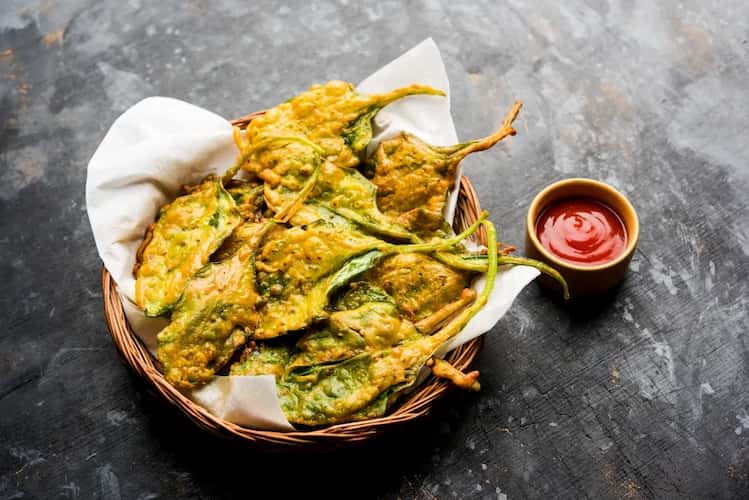
Image Credits: Pexels
3. Methi Pakora
Methi pakora is a winter dish because fresh fenugreek leaves are easy to find and taste great when fried. Winter methi has a nice bitter taste that gets a little softer in hot oil, making it taste deep and fragrant. The leaves mix well with the spices, making the pakora taste fuller and feel warm in the cold. Methi naturally absorbs batter evenly, which keeps pakoras crisp without making them too heavy. These pakoras go well with dips made from yoghurt or spicy chutneys, which makes them a good choice for winter meals. Methi pakoras are a great winter snack because they are healthy, taste good, and are crunchy.
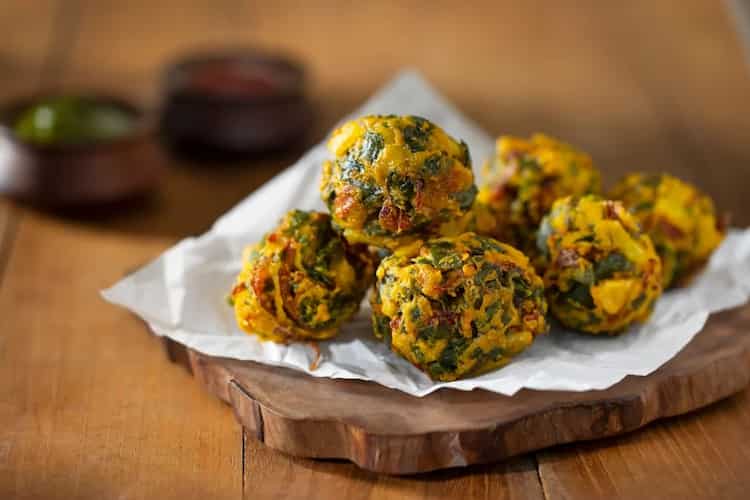
Image Credits: Pexels
4. Carrot Pakora
Carrot pakora is great in the winter because carrots are sweeter, firmer, and have a stronger flavour when they're in season. Grated winter carrots keep their shape well in batter, which gives the pakora a balanced texture that is crisp on the outside and soft on the inside. The natural sweetness goes well with warm spices, adding depth without being too strong. Carrots don't give off much moisture, which helps the batter fry evenly and stay crunchy for longer. Winter kitchens are also better for frying because the cooler air helps keep the oil temperature stable between batches. These pakoras are easy to make, fun to serve, and perfect for the season because of their steady texture and naturally rich flavour.
5. Mixed Winter Vegetable Pakora
Mixed winter vegetable pakora uses the best parts of seasonal vegetables to make a layered, filling snack. Winter vegetables like cauliflower, carrots, potatoes, beans, and spinach each add a different texture to the pakoras, making them crunchy, soft, and flavourful in every bite. Seasonal vegetables have less water and a better fibre structure, which helps the batter stick together better. This makes things less soggy and more crunchy. The mixture helps the spices spread out more evenly, which makes a flavour that is balanced and good for winter. When it's colder, frying is easier because the oil holds heat and makes sure the food browns evenly. Mixed pakoras are also flexible because cooks can use any fresh vegetables they have on hand that day. You can eat them with both mild and spicy foods, and they work well as snacks or at parties. Mixed winter vegetable pakoras are a reliable winter favourite because they are deep, have a layered bite, and are available in the winter.
5 Tips To Make Winter Vegetable Pakora Crispy
- Use cold water when mixing the batter because it slows gluten formation and keeps the coating light, which helps pakoras fry crisp instead of dense.
- Add a small amount of rice flour or cornflour to besan to improve texture, create sharper edges, and prevent sogginess after frying.
- Keep oil consistently hot so the batter seals instantly; lukewarm oil makes pakoras absorb excess oil and lose crunch.
- Avoid overmixing vegetables into the batter; a light coating gives better crispness.
- Fry in small batches to maintain a stable oil temperature and even browning.




