


 Share
Share

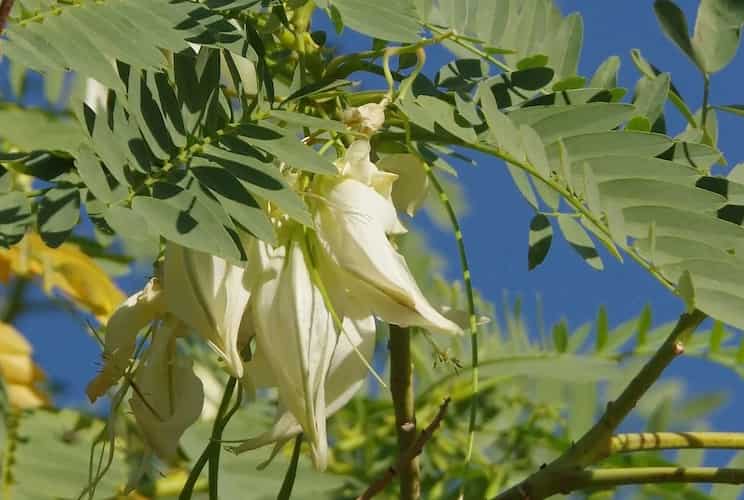
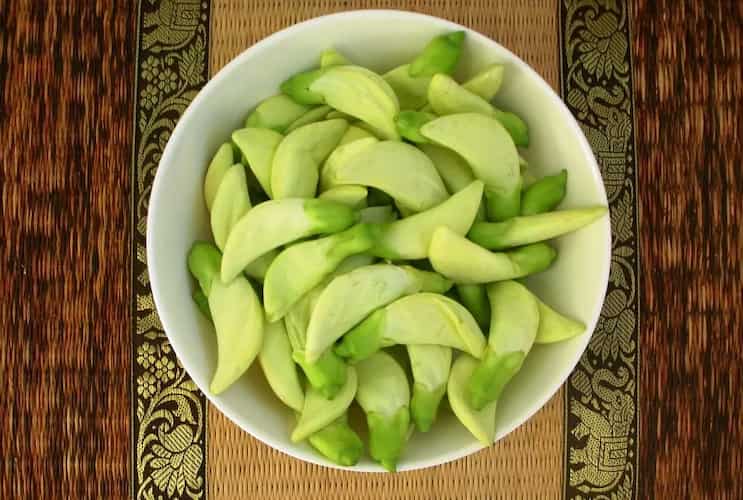
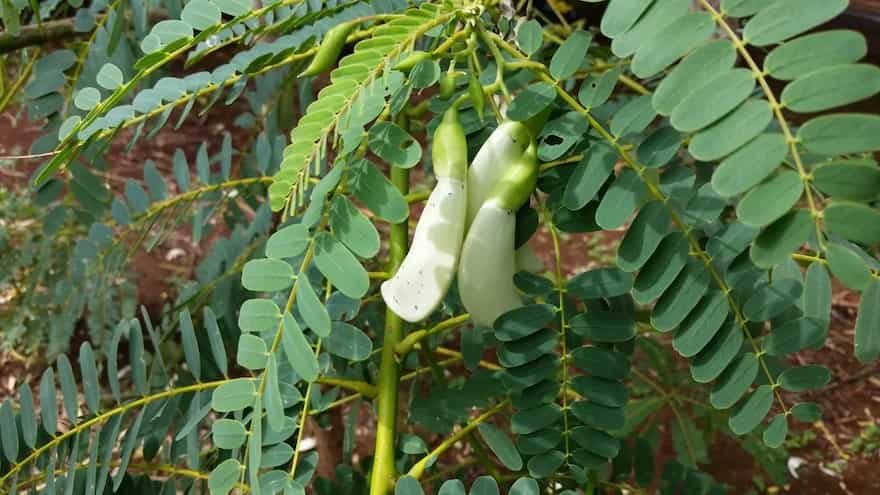
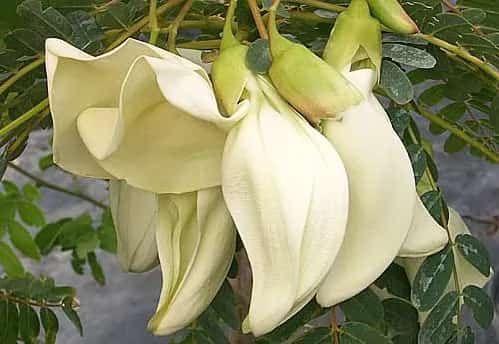
Bok phool is the blossom of the Sesbania grandiflora tree, commonly known in Bengal as agasti phool or bok phool. White, huge, similar to sem beans or pepper – the bloom is unique looking when harvested fresh. The tree grows widely across rural West Bengal, especially near homesteads and agricultural boundaries, which is why the flower became a regular household vegetable. Its use in Bengali cooking developed from easy availability rather than festive association; families picked the flowers fresh in the morning when the petals stayed firm, making them suitable for quick home-style preparations.
(Image Credits: WikiCommons)
The flower has a distinct taste and a firm texture that holds shape when cooked. As it cooks quickly, households traditionally used it in everyday meals requiring minimal prep, similar to sajna phool. Its structure allows even flavour absorption, which is why it works well in light coatings, shallow-fried dishes, or simple sautés. Bok phool is valued for how uniformly it softens without breaking down into a paste, unlike kumro or lau phool.
(Image Credits: WikiCommons)
Also known as heta phool or agasey phool, its presence across Bengal’s rural landscape made it an accessible ingredient long before formal documentation. Today, it remains an important seasonal flower-vegetable, reflecting Bengal’s broader tradition of using edible blossoms as part of everyday cuisine.
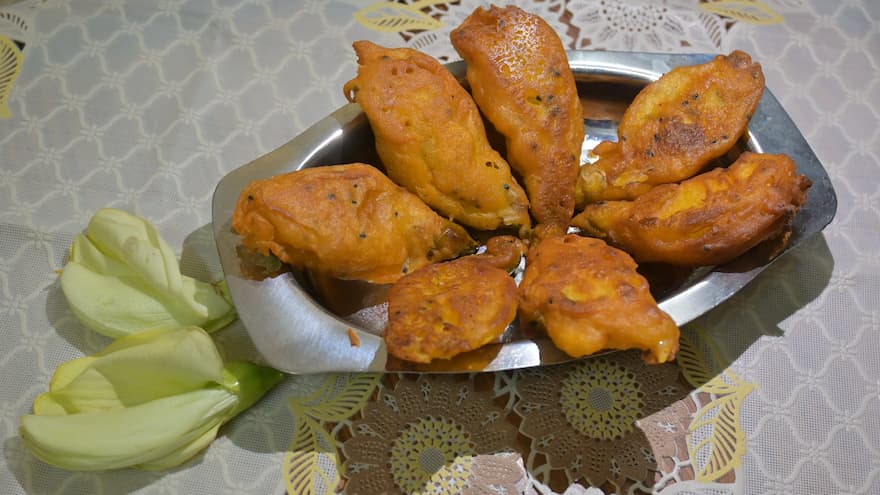
1. Bok Phool Bora
Bok phool bora is the most common preparation because the flower’s size, structure, moisture level make it suitable for uniform batter coating and controlled frying. Preparation begins with trimming the stem, checking the inner fold for insects, and washing the flowers gently so the petals remain intact. A thick, smooth batter is prepared using the standard Bengali fritter base made with besan, salt, chilli powder, keeping it firm enough to cling yet loose enough to create an even layer. Each flower is dipped individually and placed into medium-hot oil so the coating cooks steadily from the outside while the petals soften inside. Freshly fried bora maintains crispness outside and softness inside.
(Image Credits: WikiCommons)
2. Bok Phool Tarkari
Bok phool tarkari follows the standard Bengali tarkari cooking pattern yet remains distinct because the flower’s mild bitterness blends differently with the spice base. A basic tarkari foundation is prepared by heating oil, sautéing aromatics and cooking powdered spices on low heat until they release aroma. Unlike regular vegetables, bok phool does not have a long cooking process because its petals soften quickly. The flowers are added only after the spice mixture reaches the correct stage, and water is introduced in a small amount. The petals absorb liquid quickly, so the tarkari develops a lighter consistency than root or gourd-based dishes even when cooked with identical spices.
3. Bok Phool Diye Dal
Bok phool diye dal modifies the flavour profile of regular Bengali dal by adding a controlled bitterness and a soft vegetable component that integrates cleanly into the cooked lentils. The preparation begins by boiling the dal to a medium thickness so that it supports the flower without masking its taste. Bok phool is added only after the dal has nearly cooked, since prolonged boiling leads to breakdown. The petals soften quickly, releasing a mild flavour that balances the natural sweetness of lentils such as moong or masoor.
(Image Credits: WikiCommons)
4. Bok Phooler Jhol
Bok phooler jhol differs from bok phool diye dal in both structure and serving. Dal is lentil-based and thicker, while jhol is a thin vegetable curry where the broth is light. The preparation begins by making a basic spice base with turmeric, cumin, and salt without deep browning, since jhol prioritises a pale, clean broth. Water is added early to retain the characteristic thinness. Once the liquid reaches a simmer, bok phool pieces are added because their cooking time is short.
(Image Credits: WikiCommons)
5. Bok Phool Chorchori
Bok phool chorchori follows the Bengali semi-dry cooking method, where vegetables cook slowly in limited moisture until the mixture binds together. A sauté base is created using aromatics like jeere, cooked briefly over controlled heat. The flowers are added with other vegetables, if used, and the mixture is allowed to cook with minimal water. Bok phool softens rapidly, so the dish relies on slow evaporation rather than long boiling. The flavour becomes concentrated as moisture reduces, giving the chorchori a distinct identity compared to jhol or tarkari.




