World Vegetarian Day: Ancient Meatless Dishes Still Eaten Today
World Vegetarian Day on 1 October 2026 provides a perfect moment to celebrate the deep historical roots of plant based gastronomy. Long before modern dietary trends popularised veganism, ancient civilisations across the globe relied on masterful culinary techniques to transform simple grains, legumes, and vegetables into deeply satisfying meals. These historic recipes survived centuries of cultural shifts because they offer perfect nutritional balance and incredible flavour profiles. Here are five ancient meatless dishes that continue to be celebrated in kitchens around the world today.

| Admin User
Sep 29, 2026
 Share


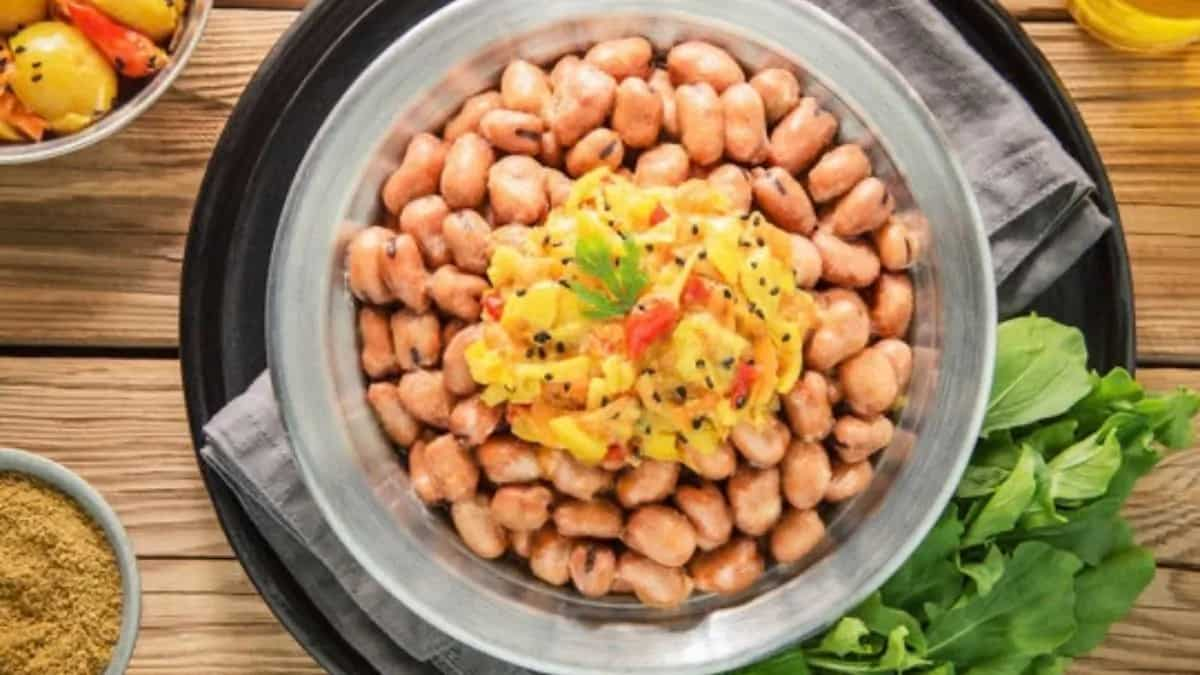
1. Ful Medames From Ancient Egypt
Originating in the time of the Pharaohs, this hearty fava bean stew remains the undisputed national breakfast of Egypt and a staple across the Middle East. Slow cooked overnight until the beans break down into a rich, buttery texture, the dish is traditionally flavoured with generous amounts of cumin, fresh garlic, and extra virgin olive oil. Served warm with a squeeze of lemon juice and fresh flatbread, it stands as a testament to how ancient agricultural societies created incredibly sustaining, protein rich meals from humble pantry ingredients.
Share
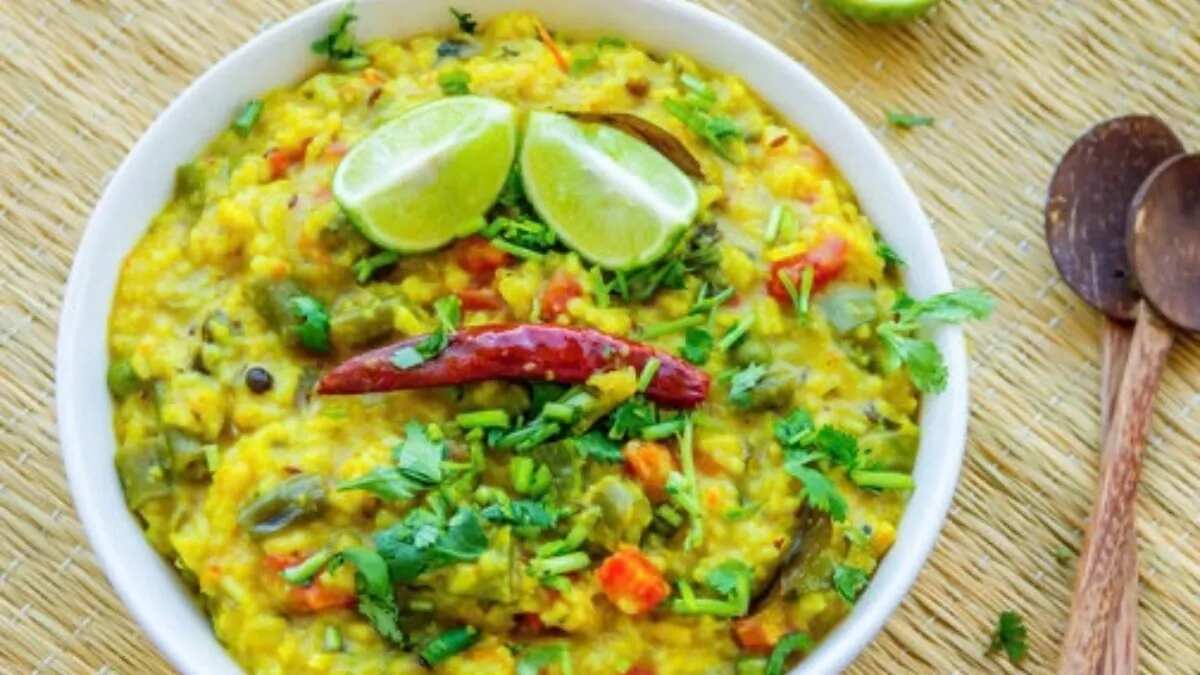
2. Khichdi From Ancient India
Documented by Greek ambassadors as early as the third century BCE, this comforting blend of rice and lentils represents the ancient soul of South Asian culinary traditions. Rooted in Ayurvedic principles of digestion and balance, traditional khichdi is gently simmered with turmeric and cumin before being finished with a spoonful of pure ghee. This remarkably resilient dish has evolved into countless regional variations across the subcontinent while maintaining its core identity as the ultimate healing, restorative meal for both royalty and commoners alike.
Share
3. Fasolada From Ancient Greece
Often described as the national food of Greece, this robust white bean soup traces its origins back to ancient mythological offerings made to the god Apollo. The traditional preparation relies on simmering large white beans with a fragrant base of crushed tomatoes, carrots, celery, and onions. Finished with a heavy pour of high quality olive oil just before serving, this rustic stew perfectly encapsulates the ancient Mediterranean philosophy of transforming simple, seasonal vegetables into deeply nourishing and flavourful communal feasts.
Share
4. Mujadara From The Ancient Levant
First recorded in a twelfth century cookbook but boasting much older roots across the Levantine region, mujadara is a masterclass in culinary alchemy. The dish requires only three primary ingredients, combining earthy brown lentils and rice or bulgur wheat, all topped with a generous crown of deeply caramelised onions. The slow cooking process allows the sweet, jammy onions to infuse the grains with a rich, complex flavour profile, proving that ancient cooks possessed a profound understanding of texture and caramelisation long before modern culinary science.
Share
5. Tofu From Han Dynasty China
Invented over two thousand years ago during the Chinese Han Dynasty, the creation of soybean curd revolutionised meatless dining across the Asian continent. By curdling fresh soy milk and pressing it into solid blocks, ancient culinary pioneers developed a highly versatile, protein dense ingredient that absorbs complex flavours effortlessly. Whether gently simmered in a fragrant ginger broth or braised with fiery fermented chilli paste, traditional tofu preparations continue to serve as the foundational pillar of global plant based gastronomy.
Share