World Tequila Day 2026: Drop The Salt & Lime With 5 Busted Myths
World Tequila Day 2026 is the perfect excuse to rethink how we drink this incredibly misunderstood Mexican spirit. For decades, tequila has been unfairly associated with poorly planned party nights, aggressive morning hangovers, and a rushed ritual involving salt and a slice of lime. As the beverage world evolves and high quality bottles become increasingly accessible globally, these outdated ideas are finally fading. Here are five of the most common misconceptions about tequila completely busted so you can appreciate the agave properly.

| Admin User
Jul 23, 2026
 Share
Share 


1. The Agave Plant Is a Cactus
Perhaps the most widespread myth is that tequila is distilled from a desert cactus. The blue agave plant is actually a succulent. It belongs to the Agavaceae family, making it a close relative of lilies and amaryllis. While they share a spiky appearance and a preference for arid climates, agave plants take between five and twelve years to mature before their massive hearts, called piñas, are harvested, roasted, and fermented.
Share
2. A Good Bottle Always Contains a Worm
If you find a worm floating at the bottom of your bottle, you are not drinking tequila. The insect in question is the larva of a moth that lives on the agave plant, and it is sometimes added to certain commercial bottles of mezcal. This practice began in the mid twentieth century purely as a marketing gimmick to boost sales among tourists. The official regulatory council for tequila strictly prohibits adding insects or larvae to the spirit.
Share
3. You Must Drink It with Salt and Lime
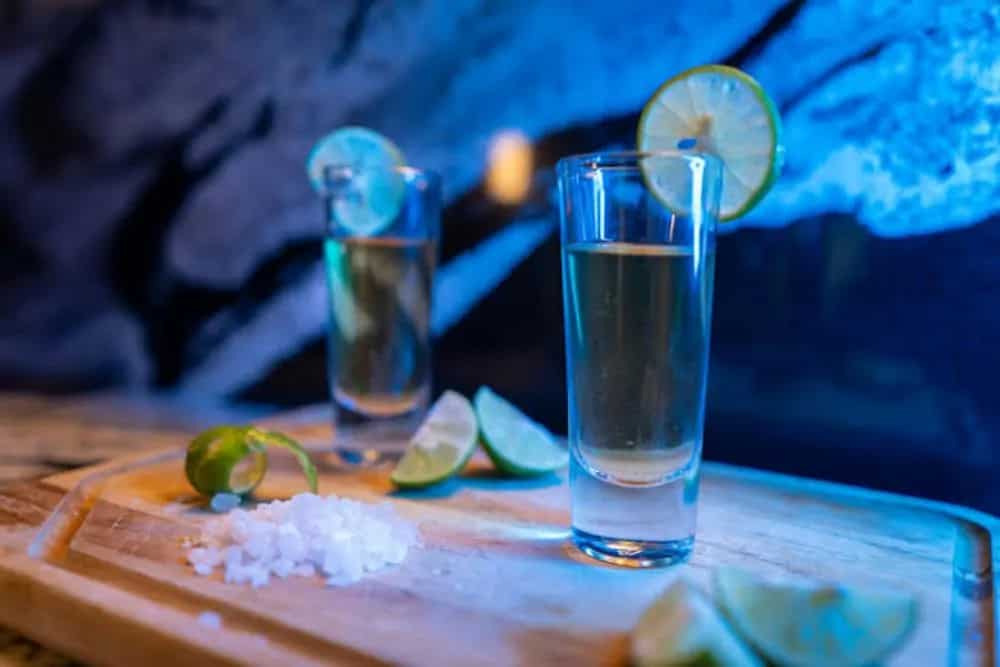
The ritual of licking salt, shooting the spirit, and immediately biting a lime was invented solely to mask the harsh flavour of cheap, poorly made liquor. High quality bottles made from 100 percent blue agave offer complex tasting notes ranging from bright citrus and black pepper to deep vanilla and toasted oak. A premium blanco or añejo should be sipped slowly from a fluted glass at room temperature, much like a fine single malt whisky or cognac.
Share
4. Gold Tequila Is Superior to Silver
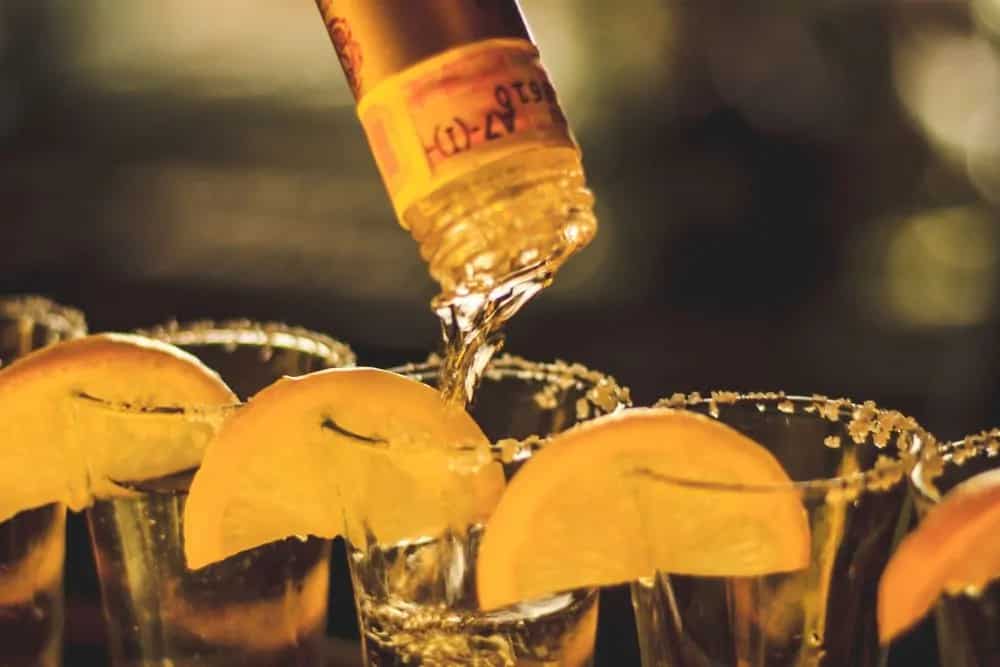
Many consumers assume that a golden hue automatically indicates a matured, higher quality spirit. In reality, the cheap gold tequila found in most dive bars is known as a mixto. It contains only 51 percent agave, while the rest consists of fermented cane sugar, caramel colouring, and artificial oak extracts added to fake the ageing process. If you want true aged tequila, look for the labels reposado or añejo, which gain their natural colour and complex flavour profile from spending months or years resting in real oak barrels.
Share
5. It Causes the Worst Hangovers
Tequila has a terrible reputation for causing brutal morning headaches. The culprit behind those hangovers is not the agave itself, but rather the high sugar content and chemical additives found in cheap mixtos, along with the intensely sugary mixers often paired with them. Pure tequila made from 100 percent blue agave is remarkably clean. When consumed in moderation and without artificial syrups, it is actually one of the most forgiving spirits you can drink.
Share