What Is New Nordic Cuisine? Features Of Rene Redzepi's Noma
New Nordic cuisine is much more than a culinary style. It proved that with innovation, the centre of gastronomic attention could be taken from Paris to Copenhagen. With the launch of Noma by Rene Redzepi, the hyperlocal ingredients and seasonal specialities sparked a global movement, which we now know as the New Nordic cuisine.

| Garima
Mar 14, 2026
 Share
Share 


Hyper Locality
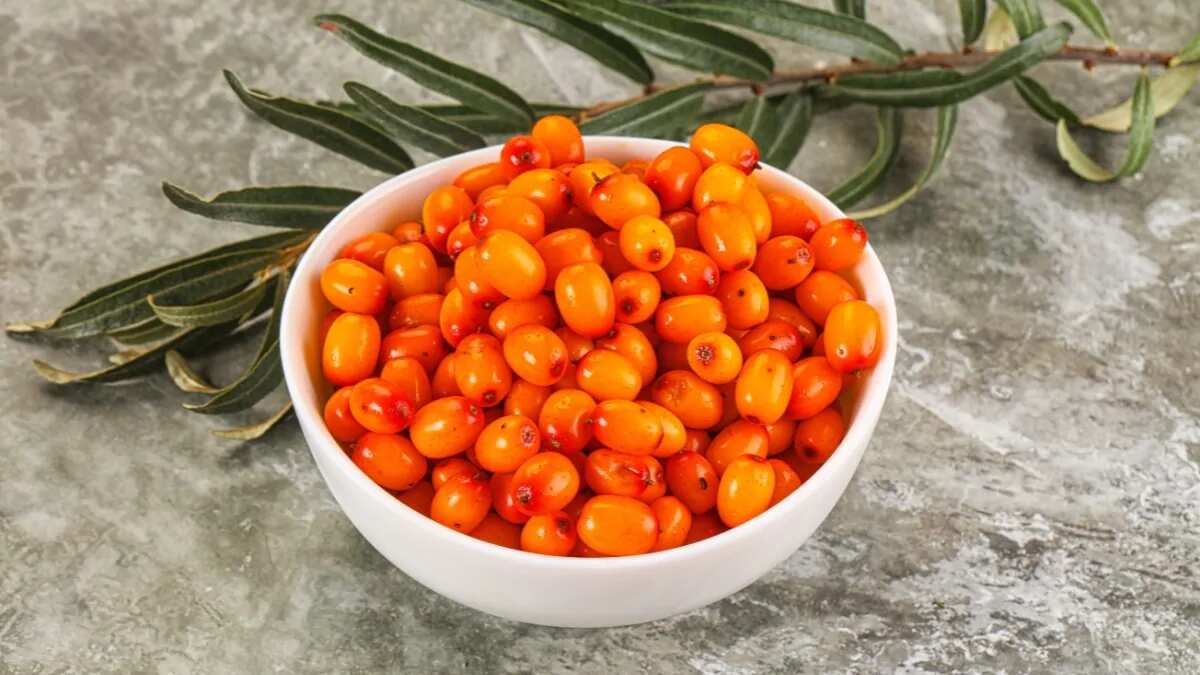
One of the essential features that defines Noma’s creation is its strict geography. Instead of going for the then luxury staples like olive oil or citrus fruits, Redzepi chose to work with alternatives that were easily available in the Nordic terroir. Some of the most popularly used ingredients include sea buckthorn, ants, Nordic berries, and seasonal vegetables.
Share
Foraging And Innovation
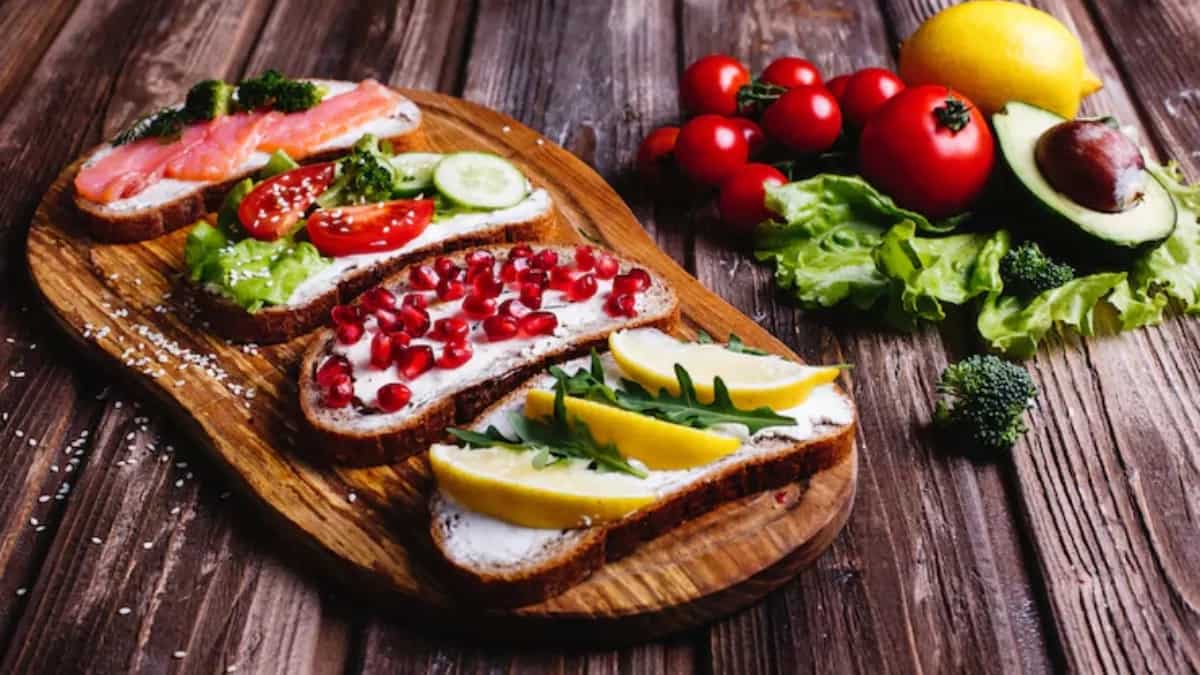
Foraging was once viewed as an act of survival or as a hobby for grandmothers. However, instead of relying on farms and suppliers, the New Nordic cuisine encouraged exploring forests, coastlines, and meadows to look for edible mushrooms, herbs, and plants. Amongst the many foraged ingredients, pine shoots, wild garlic, sea herbs, and wild mushrooms are the most common ones.
Share
Fermentation
Since the Nordic regions face long and harsh winters, fermentation was more of a necessity than a cooking technique. Redzepi revived the traditional technique and set up a fermentation lab to experiment with berries, koji-based sauces, mushrooms, fruits, and vegetables.
Share
Strict Seasonality
Another feature that defines the New Nordic cuisine is taking seasonality to the next level. While most restaurants offer the same menu all year round, Noma redesigns its menu several times as per the seasonality. For example, the winter season features seafood, summers focus on fresh vegetables, and the game and forest season during the autumn months.
Share
Purity And Minimalism
Taking inspiration from Scandinavian design, the plates at Noma look like a landscape on a dish. Without heavy sauces and fancy garnishes, Redzepi's creations focus on pure food and minimalist servings.
Share