Watermelon Safety Guide: 5 Ways To Check If Your Fruit Is Safe
Watermelons are the quintessential summer fruit, but their high water content and thick rinds can hide both natural spoilage and dangerous chemical adulteration. Understanding how to assess the safety of a watermelon before you consume it is essential for avoiding the risks associated with foodborne illness and artificial additives. These five safety checks will help you recognise when a watermelon is at its peak and when it has been tampered with or has become a potential hazard to your health.

| Admin User
May 08, 2026
 Share
Share 


1. The Rind Integrity and Injection Check
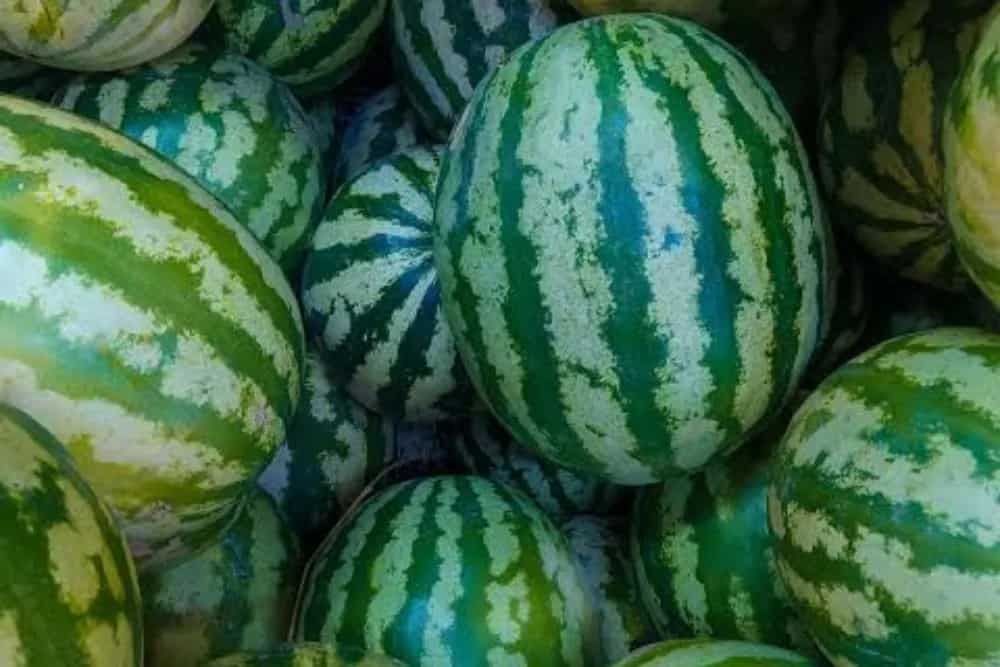
Inspect the rind for any tiny, unnatural punctures or holes that might indicate the fruit has been injected with saccharin for sweetness or red chemical dyes like erythrosine for colour. A safe watermelon should have a smooth and unbroken skin without any suspicious needle marks or deep cracks that allow bacteria to penetrate the internal flesh. If you notice localised staining on the rind that matches the colour of the internal flesh, it is a high probability that artificial colourants have been used to make an underripe melon look appealing. These chemicals can lead to serious digestive issues and allergic reactions, so any melon with structural breaches should be avoided entirely.
Share
2. The Field Spot and Ripening Verification
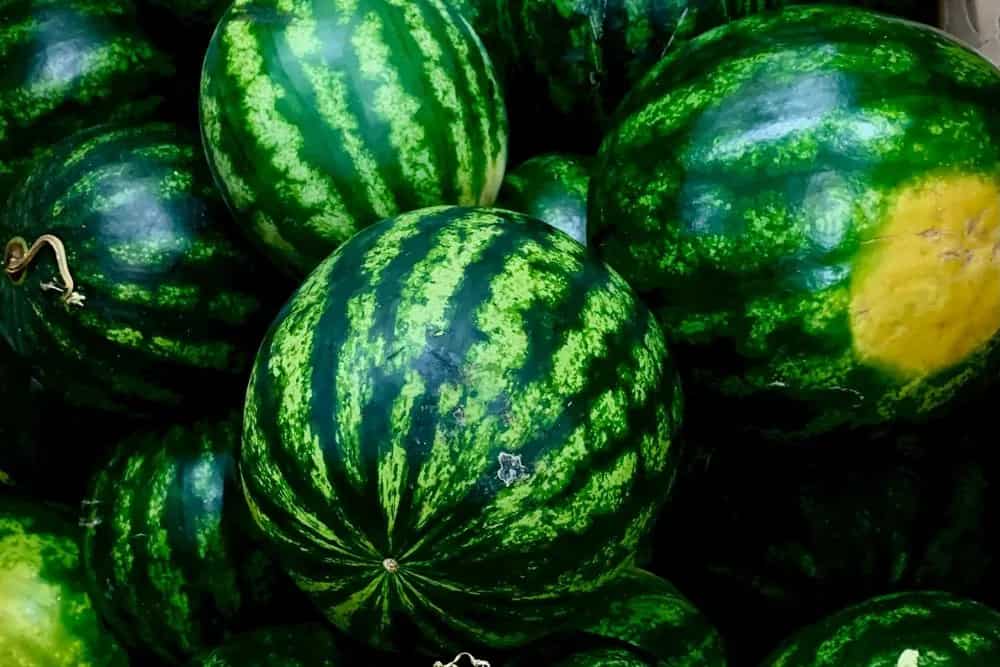
Examine the field spot colour to distinguish between natural sun ripening and artificial chemical treatment used to rush the fruit to market. A safe, naturally ripened watermelon will have a creamy, buttery yellow patch where it touched the earth, while an adulterated fruit often has an unnaturally uniform green colour across its entire surface because it was forced to ripen using ethephon or calcium carbide. Fruits ripened with chemicals often look perfect on the outside but lack the characteristic sweetness and nutritional density of a melon that was allowed to mature on the vine, and they can sometimes carry toxic residues that are harmful if ingested.
Share
3. Internal Veining and Nitrate Assessment
Once the melon is opened, look closely at the internal fibres and veins for any sign of thick, bright yellow streaks running through the red flesh. While natural watermelons have a consistent red or pink interior, yellow veins are often a sign of high nitrate concentration resulting from over fertilisation or artificial growth boosters used to increase the size and weight of the fruit. Consuming high levels of nitrates can lead to oxygen deprivation in the blood and other long term health complications, so a melon with prominent yellow webbing instead of a clean, uniform red interior should be treated with extreme caution and ideally discarded.
Share
4. The Water Test for Artificial Colour
Perform a simple water test by placing a small cube of the watermelon flesh into a glass of clear, room temperature water for several minutes to check for leached dyes. If the water remains clear or takes on only a very faint, natural pink hue, the colour is authentic and safe to consume. However, if the water quickly turns a deep, vibrant red or remains cloudy, it is a definitive sign of artificial dye adulteration, as natural watermelon pigments are bound within the cellular structure and do not bleed into water as readily as synthetic chemicals. This is a reliable way to ensure your fruit has not been enhanced with industrial grade dyes that are unfit for human consumption.
Share
5. Natural Fermentation and Texture Signs
Assess the internal aroma and texture to ensure the fruit has not succumbed to natural spoilage or bacterial growth during transport and storage. A healthy watermelon will have a crisp, firm feel and a sweet, clean scent, whereas an unsafe melon will emit a sour, vinegary, or alcoholic odour indicating that the sugars have fermented into carbon dioxide and alcohol. Any signs of sliminess on the flesh, a slippery film, or a fizzy, tingling sensation on the tongue are critical indicators that wild yeasts or harmful bacteria have colonised the fruit, making it a major risk for food poisoning regardless of whether it was chemically adulterated or not.
Share