The Mango's Second Life: 5 Fermented Staples For Your Pantry
While the world obsesses over the fleeting sweetness of a fresh Alphonso, the true connoisseurs of the tropical belt know that the mango’s most complex flavours only emerge when you let the microbes take over. Fermenting mangoes isn't just a survival tactic for the monsoon; it’s a culinary alchemy that transforms raw, puckering acidity into a deep, funky umami that defies the fruit's reputation as a mere dessert. These five preparations represent centuries of fermentation wisdom, proving that a little bit of salt and time can turn a simple fruit into a high-stakes pantry staple.

| Admin User
May 06, 2026
 Share
Share 


1. Midi Uppinakayi (The Udupi Baby Mango Brine)
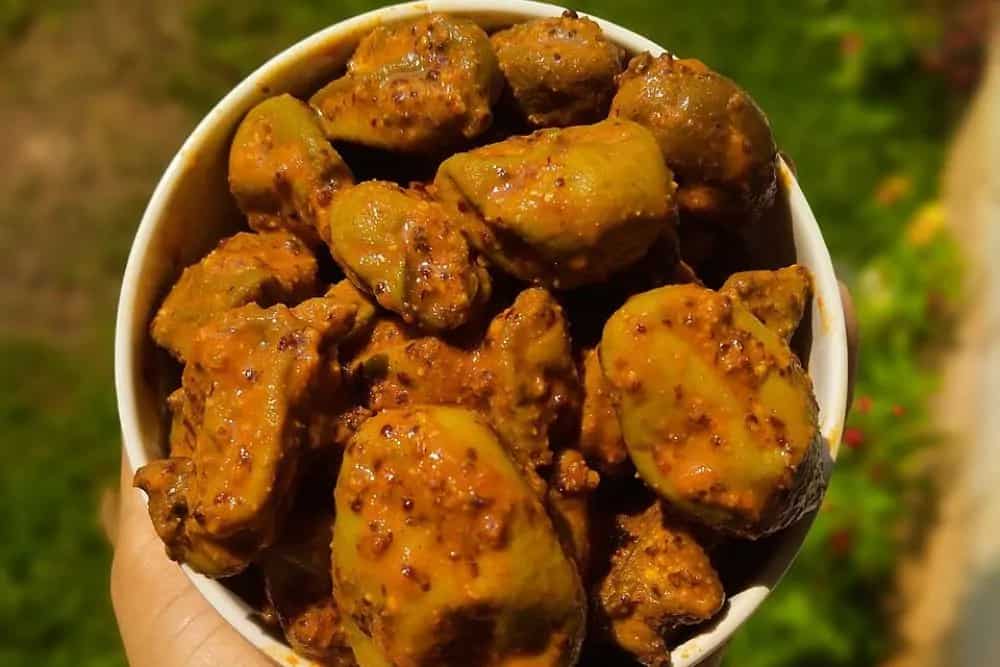
In the temple town of Udupi and across coastal Karnataka, Midi Uppinakayi is the undisputed king of ferments, involving whole tender baby mangoes harvested before their pits have hardened. Unlike standard pickles that rely on oil, these mangoes are submerged in a heavy brine within ceramic jars (bharanis) and left to ferment for months, during which the salt leeches the moisture out and the skin turns into a soft, wrinkled parchment. The result is a salty, tangy explosion that is traditionally served with curd rice, where the fermented brine itself is often used as a savoury seasoning for curries.
Share
2. Burong Mangga (The Filipino Lacto-Crunch)
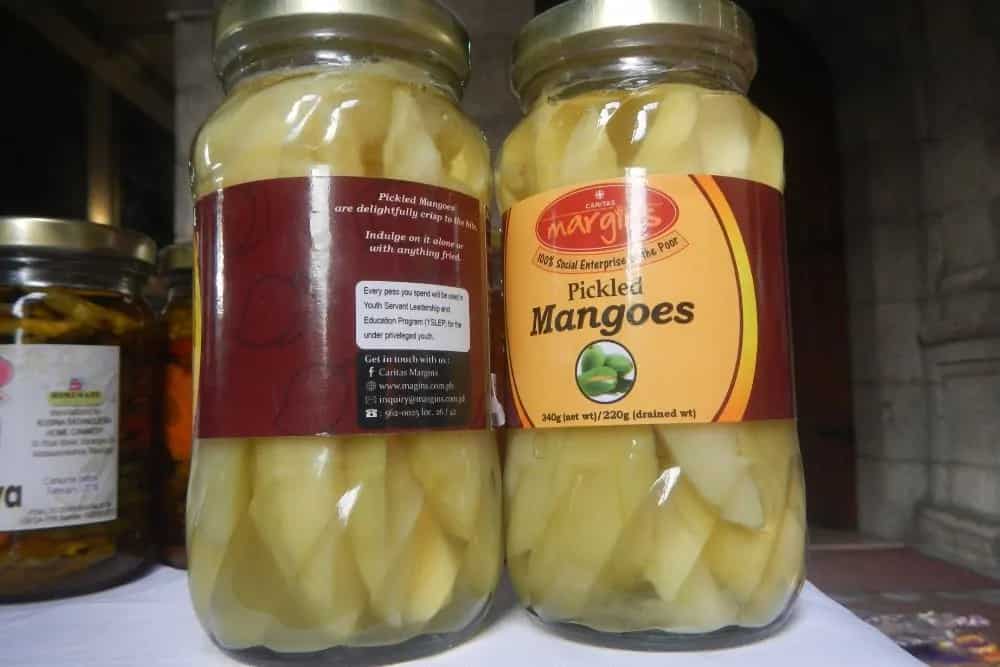
The Philippines has perfected the art of the quick lacto-ferment with Burong Mangga, a preparation that preserves the snap of green Carabao mangoes. Slices of unripe mango are packed into jars with a brine made of water, salt, and sometimes sugar, occasionally enhanced with angkhak (red yeast rice) for a distinctive pink hue. Over a few days, the natural bacteria on the mango skins convert the sugars into lactic acid, resulting in a crisp, fizzy, and brilliantly sour snack that is served as a cooling side dish to fried fish or grilled meats.
Share
3. The Original Iraqi Amba (The Cross-Continental Funk)
While many know Amba as a popular condiment in Israel or Iraq, its roots are deeply tied to the Indian mango trade. This preparation involves slicing green mangoes and dry-salting them in the sun for several days until they undergo a natural fermentation process, developing a pungent, vinegar-like aroma and a softened texture. Once fermented, the mangoes are combined with a specific spice blend of mustard seeds, turmeric, and fenugreek to create a thick, yellow sauce that provides the essential funk to snacks like sabich or shawarma, bridging the gap between Indian pickling and Middle Eastern street food.
Share
4. Mango Suka (The Zero-Waste Coastal Vinegar)
Across Southeast Asian and Indian coastal communities, the skins and overripe scraps of mangoes are never discarded; instead, they are turned into Mango Suka or traditional mango vinegar. By placing mango peels and pits in a jar with water and a small amount of starter (like raw sugar or a previous mother vinegar), the wild yeasts first turn the sugars into alcohol and then into acetic acid over several weeks. This fermented vinegar carries the ghost of the mango’s aroma but with a sharp, fruity bite that is far superior to synthetic white vinegars for marinating seafood or dressing spicy salads.
Share
5. Mango Cheong (The Korean Enzyme Extract)
Borrowed from the Korean tradition of making fruit cheong, Mango Cheong is a sugar-led fermentation that creates a powerful, concentrated syrup. By layering equal weights of cubed mango and unrefined sugar in a jar, the osmotic pressure draws out every drop of juice while the natural enzymes on the fruit's surface begin to break down the sugars. After sitting at room temperature for several weeks, the solids are strained out, leaving behind a stable, fermented syrup that captures the super-mango essence, used as a sophisticated sweetener for teas, cocktails, or even savoury glazes for roasted meats.
Share