The Legacy Of Marjane Satrapi: 5 Lessons Learned At The Table
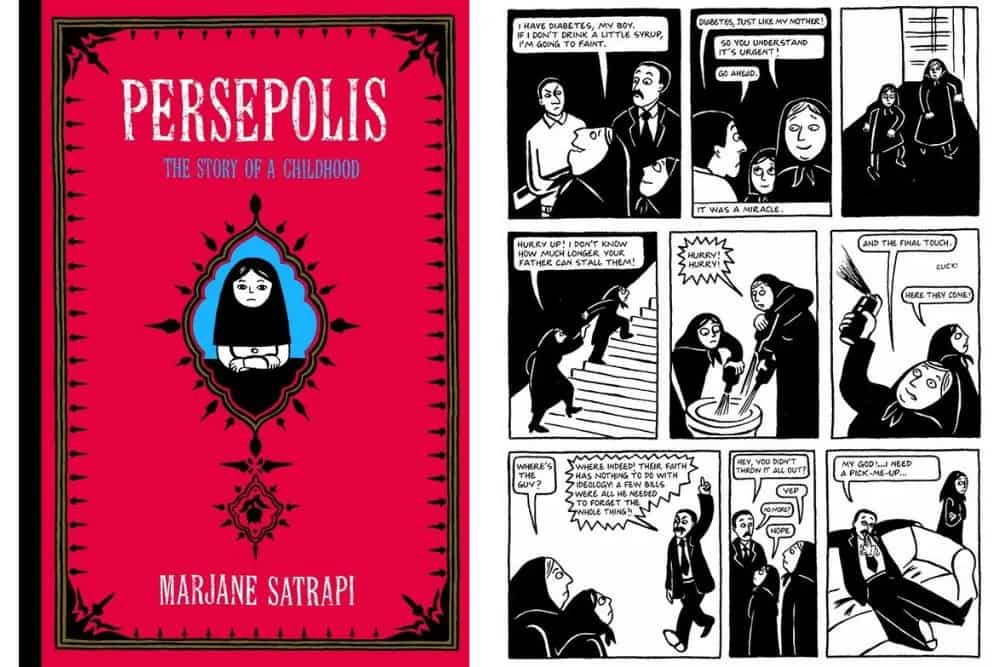
The news of Marjane Satrapi’s passing is a profound loss for the world of art and literature, yet her legacy endures with a clarity that feels as essential as the nourishment she so vividly depicted in her work. Beyond her role as a radical truth-teller who dismantled distorted caricatures of her homeland, Satrapi was a masterful observer of how the domestic table acts as a silent witness to history. In her iconic graphic novels, most notably Persepolis, she understood that the grand, often brutal trajectory of the Iranian Revolution was best understood not through speeches, but through the sensory reality of the kitchen; the scent of saffron and cumin, the ritual of preparing tea in the face of bombardment, and the shared bread that bridged the gap between family members in a fractured society. She used food as a narrative anchor, proving that when the public world turns chaotic and performative, the act of cooking and the memory of taste become the ultimate registers of identity, resistance, and human dignity.

| Admin User
Jun 06, 2026
 Share
Share 


1. The Kitchen as a Sanctuary of Identity
In the claustrophobia of revolution, public spaces became theatres of performative conformity, but the kitchen remained a site of authenticity. Satrapi taught us that when the state dictates what you can wear, how you can speak, and who you can associate with, the act of cooking becomes a quiet, domestic rebellion. The home kitchen was the fortress where one’s true self was preserved, proving that privacy is a form of survival.
Share
2. Food as a Language of Exile
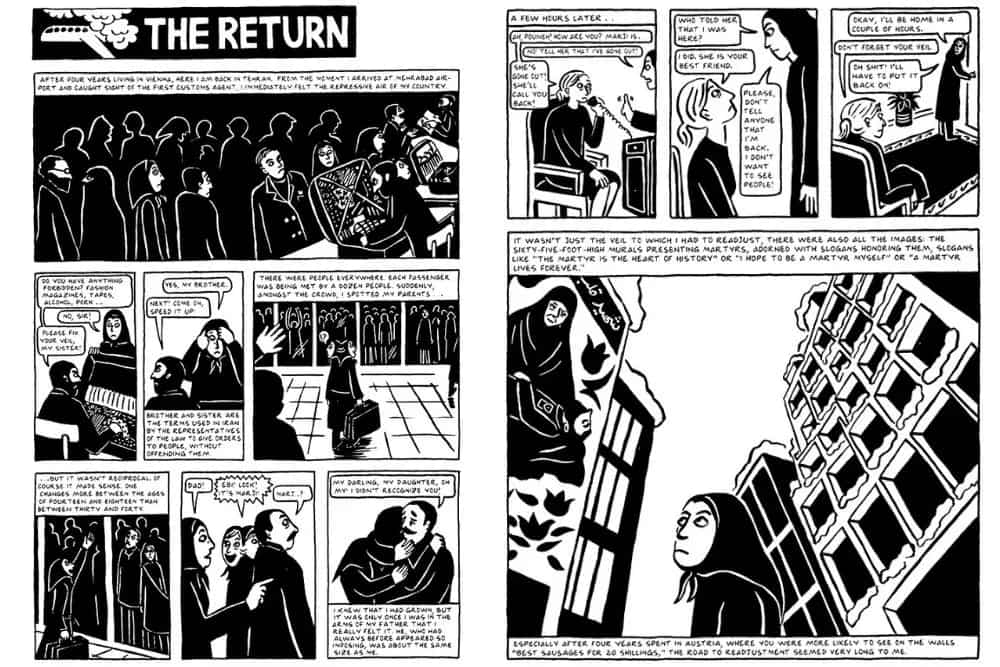
Her transition from Tehran to Europe was defined by dislocation, and her work brilliantly illustrated that food is the primary emotional vocabulary of the refugee. Satrapi showed us that when one is stripped of their homeland, the specific herbs, textures, and aromas of childhood are not just nostalgic, they are navigational tools. She articulated that exile is, fundamentally, an ache felt on the tongue.
Share
3. Hospitality as an Act of Defiance
Even during the darkest periods of the Iran-Iraq war, the social obligation to feed others remained the bedrock of her community. Satrapi depicted family members hoarding dwindling rations to ensure they could provide a proper meal for guests. This was not mere politeness; it was a profound refusal to let the savagery of bombardment erode their humanity. She taught us that offering a meal is the ultimate defiance of despair.
Share
4. Class is Visible at the Table
Satrapi used food to expose the jagged edges of class disparity with surgical precision. By contrasting simple, humble meals with the elaborate spreads of the elite, she mapped the causes of political tension more effectively than any slogan. Her work reminds us that food is a socio-economic barometer; who gets to eat, what they eat, and how they prepare it is always a reflection of where power resides.
Share
5. Sensory Memory as a Historical Archive
Perhaps her most enduring lesson is that memory is hardcoded into taste. Satrapi depicted food not as a current physical experience, but as a vessel for history. A single smell or the taste of a specific herb could instantly transport her characters through time, unlocking memories of family members lost or homes left behind. She taught us that our culinary heritage is an internal map, the most enduring archive of who we were and where we came from.
Share