Struggling With Jowar Roti? 5 Tips To Make Them Crack-Free
Jowar roti has a reputation for being tough to make, as the dough has no gluten to hold everything together. But the problem is often less about technique and more about the temperature, moisture and handling of the dough. Following these few small changes can make the roti easy to shape, lift and cook without cracking or breaking.

| Aditi Saraswat
Oct 16, 2026
 Share


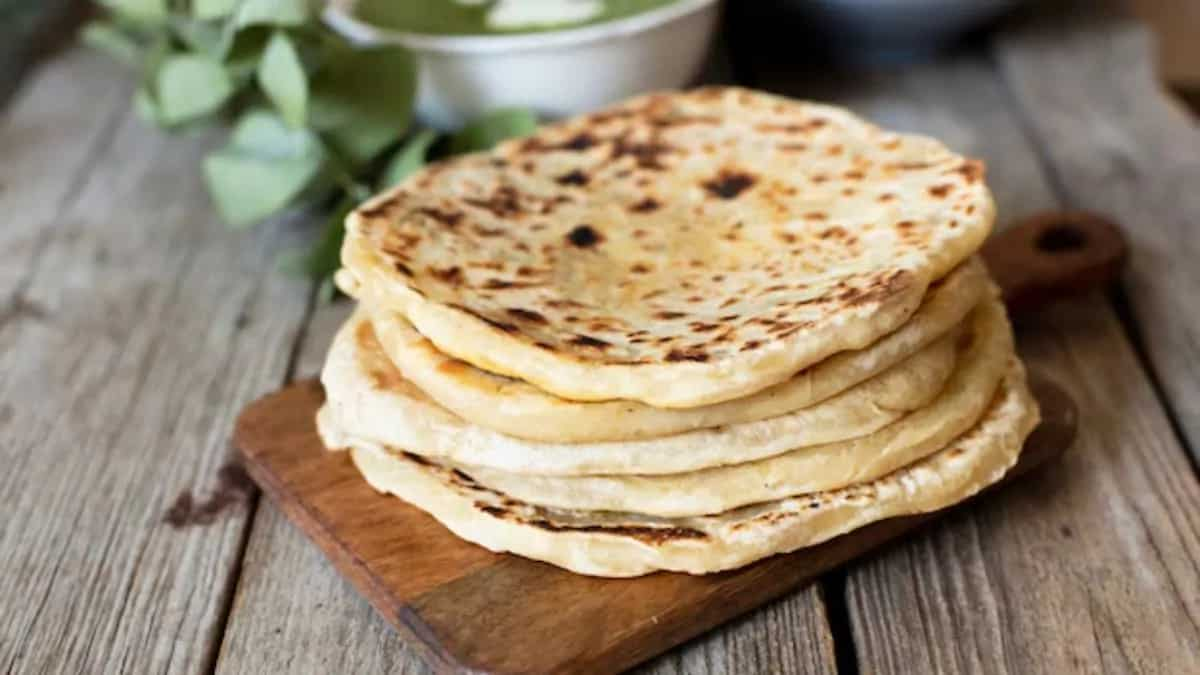
Use Hot Water, Not Just Warm Water
Add warm water slowly to the jowar flour and then mix with a spoon first. Once it is comfortable to handle, knead it while still warm. Using warm water helps the flour hydrate appropriately, giving the dough enough softness to come together rather than remaining crumbly.
Share
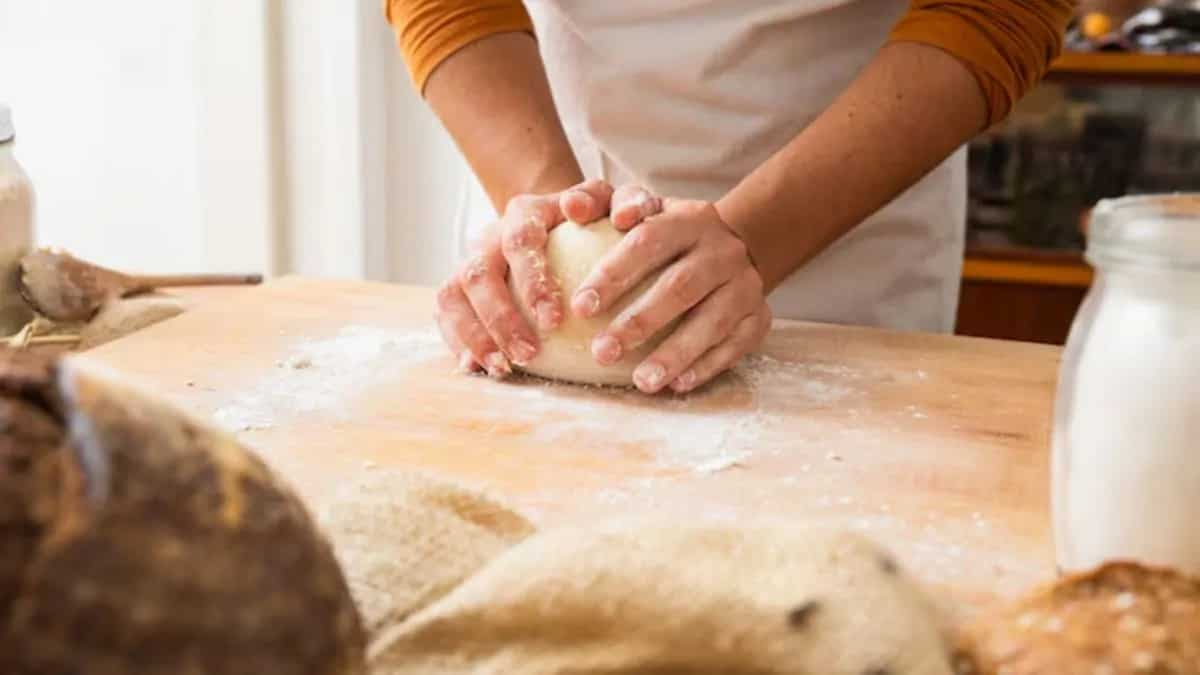
Knead Until The Dough Feels Soft
Do not stop kneading as soon as the dough feels soft. Press and fold until it feels smooth and flexible. If the dough cracks while you roll or pat it, sprinkle in a little warm water again and knead instead of adding more flour and making it dry.
Share
Pat It Out Between Plastic Or A Damp Cloth
The biggest mistake is to think that the jowar dough can be treated like wheat dough. To make jowar rotis, take the ball between two sheets of plastic or use a damp cotton cloth. Gently pat it outward with your fingers and turn as required. This makes it easier to get an even thickness without having to put pressure on the edges.
Share
Keep The Edges From Drying
Jowar dough dries very soon once it is exposed to air, and this is where the cracks start. Keep the remaining dough covered with a damp cloth while you are making the rotis. When shaping a portion, work a bit quickly and avoid leaving the flattened dough sitting around for a long time before placing it on the tawa.
Share
Cook It On A Properly Heated Tawa
The tawa should be hot enough before you place roti on it, but not smoky hot. Place the roti carefully and let the first side cook until you see small bubbles. Once the surface looks set, flip it and then cook it on the other side, then cook it directly over the flame so that it puffs.
Share