Navratri 2026: 5 Essential Staples To Stock Before Your Vrat
Shardiya Navratri 2026 will begin on October 11 and will continue until October 19, 2026. During this time, many devotees observe a 9-day-long fast. As during fasting, regular grains and many everyday ingredients are avoided, keeping a few vrat-friendly staples prepared before the fast begins can make planning everyday meals much easier.

| Aditi Saraswat
Oct 05, 2026
 Share
Share 


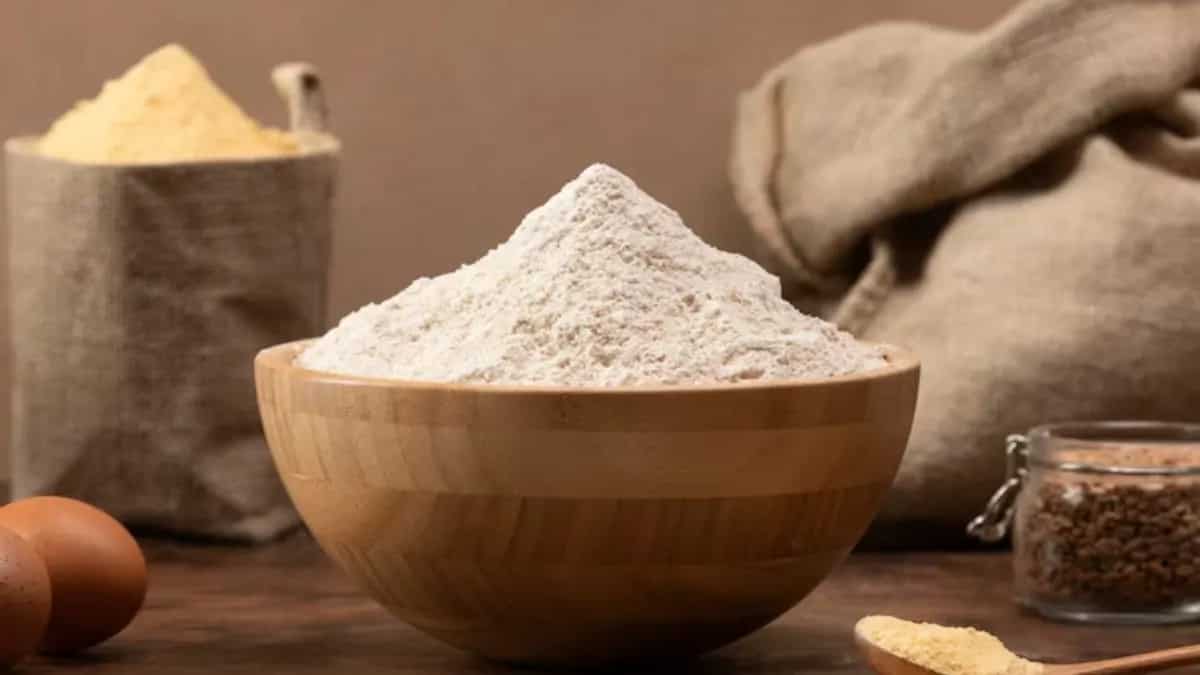
Kuttu Atta
Kuttu, or buckwheat flour, is another essential pantry staple for Navratri fasting. You can make kuttu rotis, puris, cheelas and pakoras out of it, making it easier to add variety to the fasting meals. Buy a packet of kuttu atta before Navratri begins and store it in an airtight jar, so that it remains fresh for long-term use.
Share
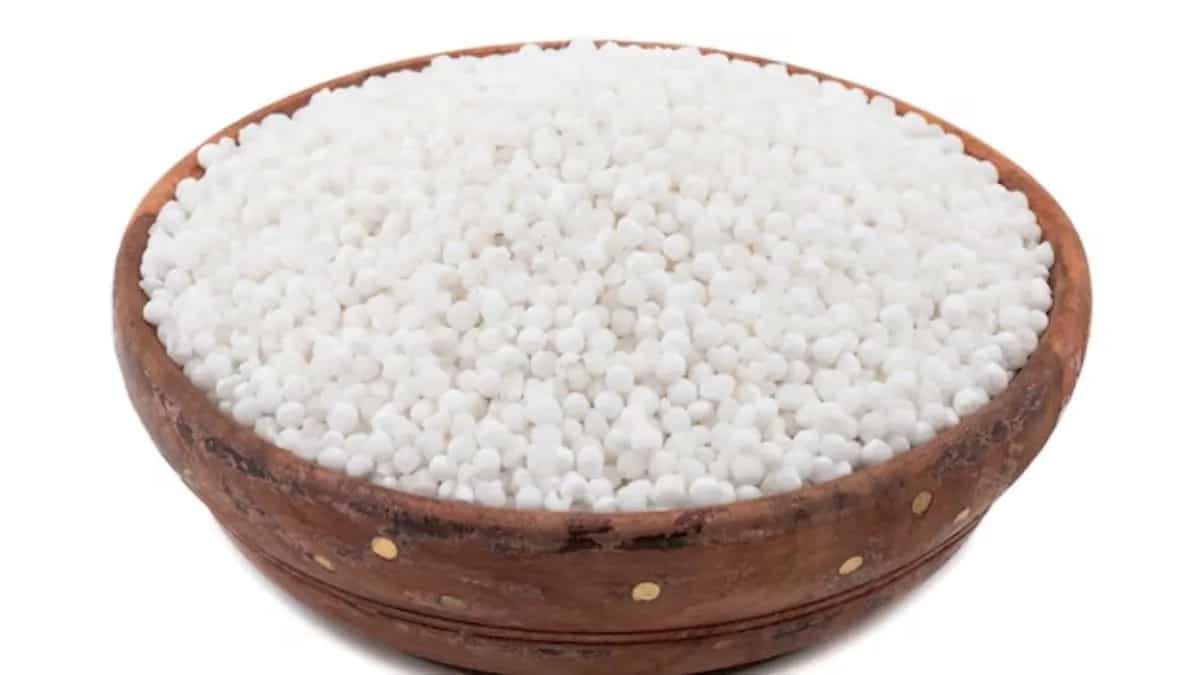
Sabudana
Sabudana is one of the most familiar fasting staples that can be used to make sabudana khichdi, sabudana vada, kheer and many other vrat food options. Keep one or two packets of it stored so that you are not out of options while fasting. As sabudana needs a minimum of 2 to 3 hours of soaking before cooking, plan your meals accordingly.
Share
Singhara Atta
Singhara atta, made from water chestnut flour, is another familiar choice for vrat-food cooking. It works well in puris, rotis, cheelas and halwa, giving you several options to try just beyond sabudana. Keeping it stocked before the fast begins is beneficial, as it can quickly turn into a filling meal when paired with vrat-friendly curry or a bowl of yoghurt.
Share
Makhana
Makhana is an easy fasting snack that you can keep within reach, especially when you want to have something that does not need detailed cooking. Roast it with a little ghee and a pinch of sendha namak and black pepper to get a simple munching snack. You can also use it to make makhana kheer. Store the fox nuts in an airtight jar so that they remain crisp without turning soggy.
Share
Sendha Namak
Sendha namak, or rock salt, is a necessary pantry staple as regular table salt is avoided during fasting. Keep a small jar of it ready before Navratri begins so that you can use it in everyday vrat meals, fruit-chaat, curd, and other vrat-friendly dishes eaisly.
Share