Muharram 2026: 5 Recipes From Gujarati To Kashmiri Kitchens
During the month of Muharram, Muslim communities across India engage in acts of remembrance, reflection, and communal charity. Food plays a deeply symbolic role during this period, with families preparing specific dishes for niaz and tabarruk, which are blessed offerings distributed to family, neighbours, and the less fortunate. These preparations are designed to offer comfort, nourishment, and sustainable energy during hours of prayer and gathering. From the slow-cooked lentil rice of Hyderabad and the soothing rice puddings of Kashmir to the hearty multi-grain stews of Gujarat, these five regional heritage recipes highlight the diversity and deep-rooted histories of South Asian culinary traditions.

| Admin User
Jun 25, 2026
 Share
Share 


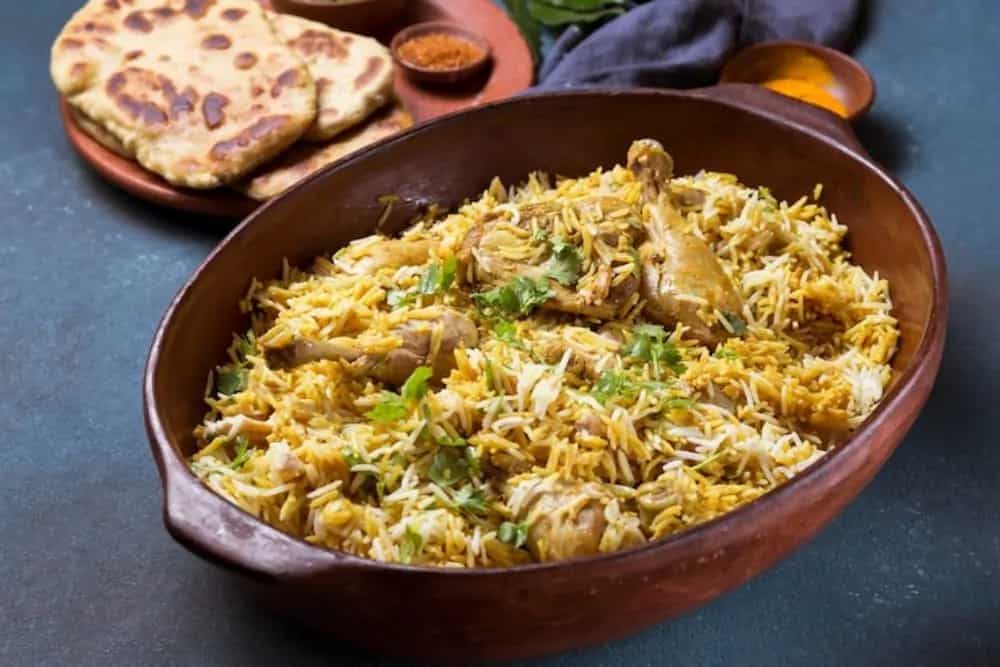
1. Hyderabadi Qubooli
Unlike the standard meat-heavy biryanis of the Deccan, Qubooli is an elegant, protein-rich rice dish specifically cooked on the tenth day of Muharram, known as Ashura. To prepare this heritage dish, begin by soaking 1 cup of Bengal gram, also known as chana dal, for two hours, then cook it in salted water until tender but still holding its shape before draining. In a separate pot, soak 2 cups of Basmati rice for 30 minutes, then boil it in water scented with whole cinnamon, cardamom, and cloves until it is 70 percent cooked before draining thoroughly. Next, fry 3 large thinly sliced onions in a generous pool of ghee until deep golden brown and crispy, reserving half of them for the final garnish. To the remaining onions in the pot, add 1 cup of thick yoghurt, a teaspoon of turmeric, a teaspoon of chilli powder, fresh mint, coriander, and the cooked dal, simmering the mixture for five minutes to form a thick, aromatic gravy base. Layer the parboiled rice evenly over this dal gravy, top with the reserved fried onions, an extra drizzle of ghee, and a splash of saffron milk. Finally, seal the pot tightly with foil or dough and cook on low heat for 20 minutes using the traditional dum method to let the complex flavours marry completely before serving.
Share
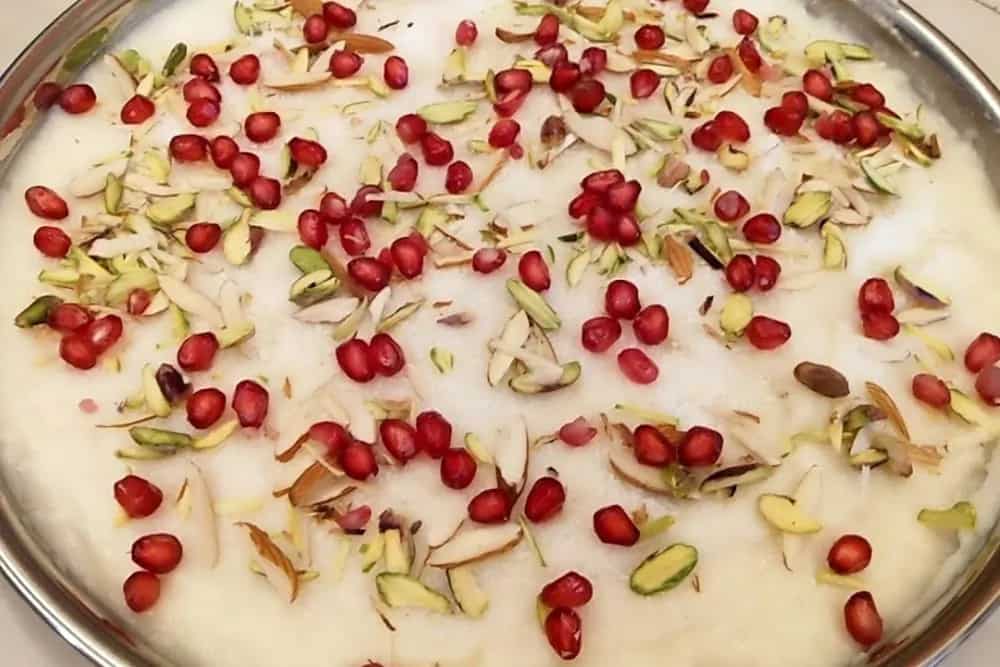
2. Bohra Kalamra
Deeply specific to the Dawoodi Bohra community of Gujarat, kalamra is a refreshing, cold rice and yoghurt pudding that serves as a staple dessert during early Islamic months. To begin the preparation, wash and boil 1 cup of short-grain rice in water until it is very soft and slightly overcooked, then drain any excess liquid and allow it to cool completely to room temperature. Gently mash the cooled rice with the back of a large spoon to break down the grains without turning them into a completely smooth paste. In a separate large mixing bowl, whisk 1.5 cups of hung curd, 2 cups of whole milk, and 1/2 cup of sugar together until the mixture is completely smooth and the sugar crystals dissolve entirely. Fold the mashed rice into the curd and milk mixture, then stir in 1 tablespoon of rose water and a pinch of green cardamom powder for fragrance. Transfer the pudding into a glass serving bowl and chill it in the refrigerator for at least two hours to let the starch set and thicken properly. Before serving, decorate the surface with a vibrant array of bright pomegranate arils, slivered almonds, and chopped pistachios to provide a cool, probiotic-rich digestive balm.
Share
3. Kashmiri Mayer
In the valleys of Kashmir, families mark the days of Muharram by preparing Mayer, a unique, comforting rice pudding distributed as a blessed offering during community gatherings. To prepare this traditional dish, combine 1 cup of rinsed short-grain harvest rice and 2 cups of water in a heavy-bottomed pot and bring it to a steady boil. Reduce the heat to low to let the rice simmer gently, and as it cooks, systematically pound and press the grains against the sides of the pot using a heavy wooden ladle to create a beautifully mushy consistency. Once the water is completely absorbed and the rice is thoroughly broken down, gradually pour in 3 cups of boiling whole milk while stirring continuously to prevent any burning at the bottom of the pot. Simmer the mixture on low heat for another 15 to 20 minutes until it reduces into a rich, velvety pudding consistency, then stir in 1/3 cup of sugar or ground rock candy, letting it dissolve completely into the hot liquid. Turn off the heat and stir in 1/4 cup of thinly sliced dry coconut pieces and 1/4 cup of chopped walnuts, serving this warm, soul-soothing preparation immediately to comfort the body in cool weather.
Share
4. Maharashtrian Masoor ki Khichdi aur Chauli ki Bhaji
In many Maharashtrian Muslim households, the observance of Muharram is marked by a deeply comforting, rustic meal that couples a simple lentil rice with seasonal amaranth greens. To prepare the rice, soak 1 cup of whole brown lentils, known as sabut masoor, in warm water for one hour, then heat oil in a deep pot, splutter a teaspoon of cumin seeds, and sauté one sliced onion until golden. Add the soaked lentils, 1 cup of rinsed short-grain rice, salt, and three and a half cups of water to the pot, bringing the liquid to a rolling boil before covering with a tight lid to cook on low heat for 15 to 20 minutes until fluffy. While the rice cooks, prepare the greens by washing two large bunches of fresh chauli leaves thoroughly in running water and chopping them finely. Heat a tablespoon of oil in a separate shallow pan, add four minced garlic cloves, chopped green chillies, and another sliced onion, sautéing until fragrant and translucent before tossing in the chopped amaranth greens and salt. Cook the greens uncovered on medium heat for five to seven minutes until the leaves wilt and all internal moisture evaporates, then finish with a generous shower of freshly grated coconut and serve hot alongside the steaming lentil khichdi.
Share
5. Gujarati Khichda
A spectacular, slow-cooked masterpiece prepared across Gujarati households during Muharram, Khichda is a hearty, multi-grain dish engineered for ultimate sustenance and sharing. To make it, soak 1 cup of broken wheat, 1/4 cup of pearl barley, 1/4 cup of split Bengal gram, and 1/4 cup of red lentils together in a large bowl of water overnight to soften the hardy grains. The next day, if you are using meat, sear 500 grams of bone-in mutton in a heavy-bottomed pot with oil, ginger-garlic paste, turmeric, and chilli powder until browned, or if making a vegetarian version, sauté large cubes of seasonal root vegetables like yam and carrots in the same spice mix. Pour the soaked grain and lentil mixture directly into the pot along with six cups of water and a generous pinch of salt, bringing the entire pot to a rolling boil. Reduce the heat to low, cover tightly, and let it simmer gently for two to three hours, stirring occasionally and using your ladle to mash the grains lightly against the pot walls until the ingredients melt into a single, thick, porridge-like consistency. Adjust the final seasoning with a teaspoon of warm garam masala, then ladle the substantial dish into communal bowls and finish with a lavish topping of crisp fried onions, fresh coriander, and a sharp squeeze of fresh lime juice.
Share