Makar Sankranti Pongal, The Indian Dessert Soaked In History
Makar Sankranti brings the best of Indian festive flavours from across the country. One of the most unique dishes on the table is sweet pongal. It is also known as sakkarai and chakkara pongal in the southern regions, especially in Tamil Nadu and Andhra Pradesh. This iconic delicacy is symbolic of this celebration, so much so that the festival is also called Pongal in Tamil Nadu. It isn't just another dessert but a dish steeped in history.

| Ranita Ray
Jan 13, 2023
 Share
Share 


Festival Named After The Dish
The ceremonious pongal is made on Thai Pongal, which falls on Makar Sankranti. The phrase pongu, which means to overflow or boil over in Tamil, is whence the festival got its name. The word "pongal" relates to the traditional dish prepared using newly harvested rice and is cooked with milk and jaggery.
Share
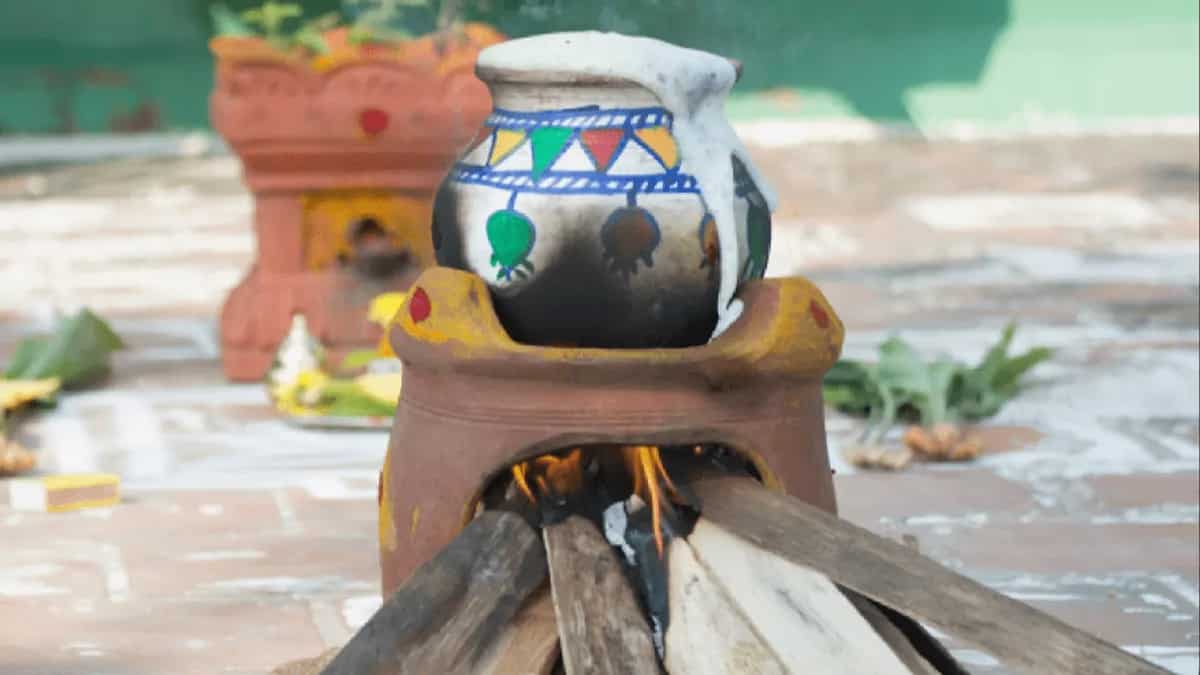
Overflowing Milk
In Hinduism, overflowing milk symbolises abundance. As the term "pongu" indicates, on the second day, freshly harvested rice is ceremonially boiled in milk with jaggery in an earthen pot. Following preparation, it is first offered as a sign of gratitude to the Sun God and other gods and goddesses.
Share
A Ritual Dish
Its traditional cooking method prescribes an earthen pot, and sugarcanes encircle it. The ritual dish is made in honour of the Sun god, Surya, and is prepared in sunlight, typically on a patio or yard. It is a community uniting festival inviting friends and family. The delicacy is so prominent that on the Pongal festival, the customary greeting is "Has the rice boiled?"
Share
Blessing Of Goddess Pongal
The dish "boiling over" is a symbolism for the Goddess Pongal's (Uma, Parvati) blessing of abundance. The food and the act of making it commemorate the harvest, and the act of cooking represents the conversion of agriculture's gift into sustenance.
Share
Ancient Monikers
It is referred to as ponakam, tiruponakam, ponkal, and other cognates in early texts, archives, and inscriptions. Andrea Gutiérrez, a specialist in Vedic and Tamil traditions, asserts that the legacy of the Pongal dish in a celebratory and religious context goes back to the Chola era, i.e., 3rd century BCE.
Share
Ancient Temples' Meal
There are precise recipes identical to those for modern pongal in some of the most revered temple inscriptions from the Chola Dynasty to the Vijayanagara Empire periods, albeit the flavours and ingredients differ. The phrases "ponakam" and "ponkal" denoted a portion of the charitable donations received and provided by free communal kitchens in southern Indian Hindu temples.
Share