Janmashtami: 5 Famous Temple Prasads Offered To Lord Krishna
Krishna Janmashtami 2026 falls on 4 September, marking the vibrant celebration of the midnight birth of Lord Krishna across the Indian subcontinent. Beyond the midnight devotional singing, fasting, and elaborate deity decorations, culinary traditions play a monumental role in the festivities. Temple kitchens across the country prepare specific heirloom recipes using ancient culinary techniques that have remained entirely unchanged for centuries. These sacred offerings are deeply tied to regional agriculture, local mythology, and centuries-old temple rituals. Here are five distinctive Janmashtami prasad varieties offered to Lord Krishna that showcase India's rich culinary heritage.

| Admin User
Sep 02, 2026
 Share
Share 


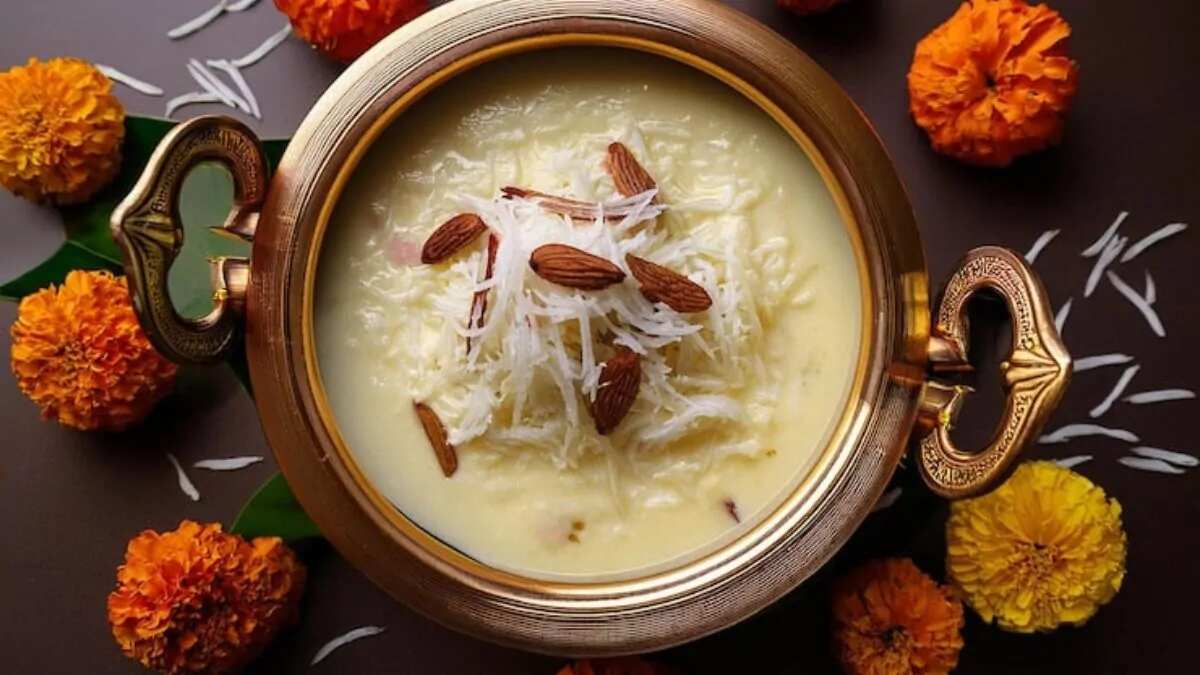
1. Makhan Mishri At Bankey Bihari Temple, Vrindavan
Vrindavan is central to the history of the festival. At the Bankey Bihari temple, the primary Janmashtami prasad offering is makhan mishri. This simple sweet consists of freshly churned white cow milk butter mixed with crystalline rock sugar. Since dairy was central to the pastoral communities of the Braj region, butter features heavily in the local lore. The prasad is served early in the morning and symbolises a direct link to the pastoral roots of the area.
Share
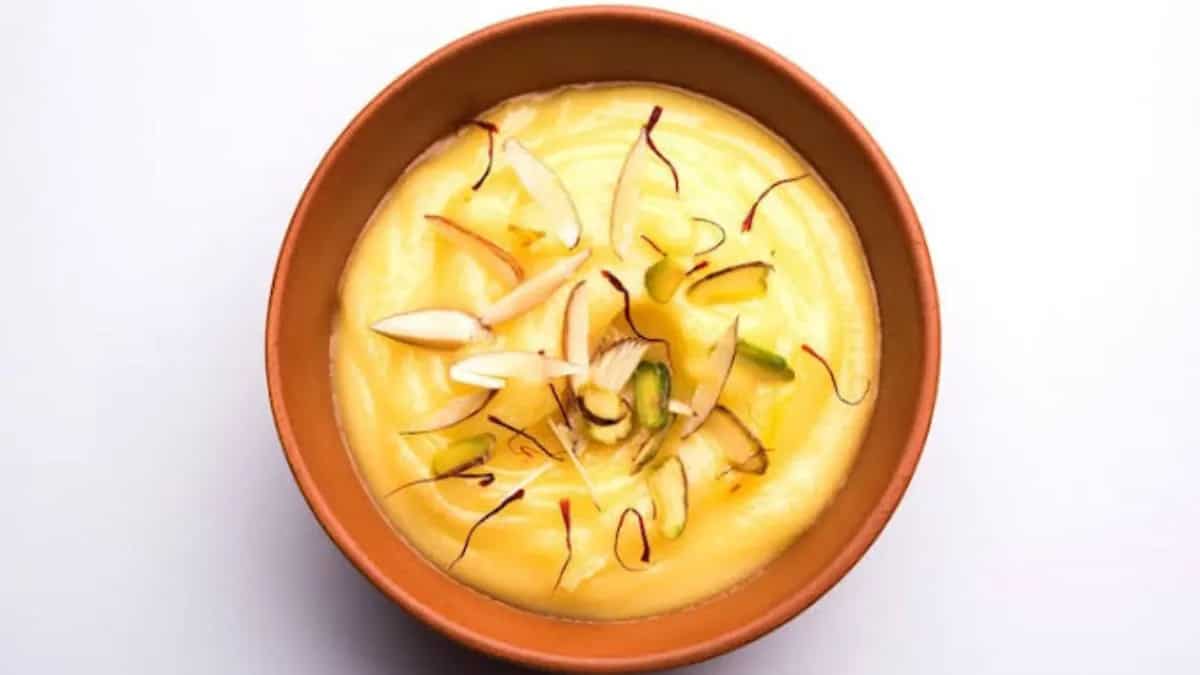
2. Palpayasam At Ambalappuzha Sri Krishna Temple, Kerala
The palpayasam served as a sacred Janmashtami prasad at this Kerala temple is a legendary dessert with a distinct pink colour and caramelised flavour. The recipe requires only three ingredients: cow milk, sugar, and local red chemba rice. The unique taste and colour come from the slow cooking process. The pudding is simmered for hours in large brass cauldrons over wood fires. The milk slowly reduces and caramelises without curdling. It is distributed daily at noon and remains one of the most famous food offerings in the state.
Share
3. Laddige At Udupi Sri Krishna Matha, Karnataka
The Udupi Krishna Matha in coastal Karnataka is renowned for its elaborate food rituals. For the festival, the temple kitchen prepares specific sweets like laddige as a traditional Janmashtami prasad. These are large balls made from puffed rice and melted jaggery flavoured with cardamom. Puffed paddy has a long history in South Indian temple food. The jaggery syrup is boiled to a precise consistency before the puffed rice is folded in and shaped by hand.
Share
4. Thor At Shrinathji Temple, Nathdwara, Rajasthan
Nathdwara is home to puxhtimarg traditions where the deity is worshipped as a young child, and the food offerings are highly elaborate. One of the most unique items prepared as a Janmashtami prasad in their chappan bhog is thor. Thor is a large disc made from wheat flour that is deep fried and coated in powdered sugar. The temple kitchen uses enormous quantities of pure ghee for frying. Devotees take the prasad home because its crisp texture allows it to stay fresh for weeks.
Share
5. Khaja At Jagannath Temple, Puri, Odisha
Although Lord Jagannath is worshipped alongside his siblings, he is considered an avatar of Krishna. The temple kitchen in Puri is the largest in the world, producing daily meals and festival food, including sacred Janmashtami prasad. Among the numerous items in the mahaprasad, the sweet khaja stands out. It is a layered pastry made of refined wheat flour and fried in ghee before being dipped in a light sugar syrup. The technique requires folding the dough multiple times to create paper thin crispy layers. This sweet is stacked and offered to the deity before being distributed in the Ananda Bazaar.
Share