How To Store Food During Monsoon: Tips To Prevent Spoilage
The monsoon season, on the bright side, gives relief from the harsh summer heat; however, it also creates the perfect environment for spoilage. With the high humidity levels, every kitchen becomes a breeding ground for moisture, mould, and pests. Thus, everyday staples like flour, rice, spices, etc., get vulnerable within days. If not stored properly, during the monsoon season, most kitchen ingredients are at risk of nutrient loss, unpleasant odours, and even contamination. So, to protect your pantry all season long, follow these smart tips.

| Garima
Jul 16, 2026
 Share
Share 


Switch To Airtight Containers
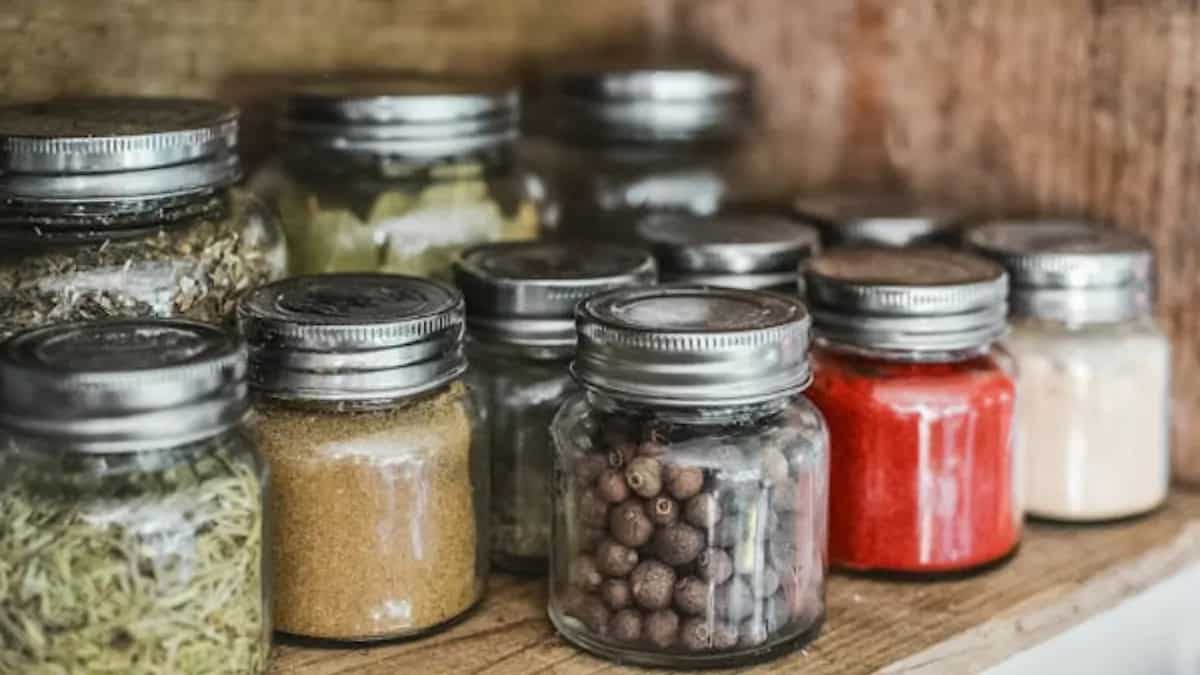
Humidity is one of the biggest enemies of stored food. The first and most important storage step for the rainy season is to upgrade to airtight containers. Transfer grains, pulses, flour, spices, etc., from plastic bags into airtight containers. Tightly seal all jars and keep them in a moisture-free area.
Share
Add Natural Moisture Absorbers
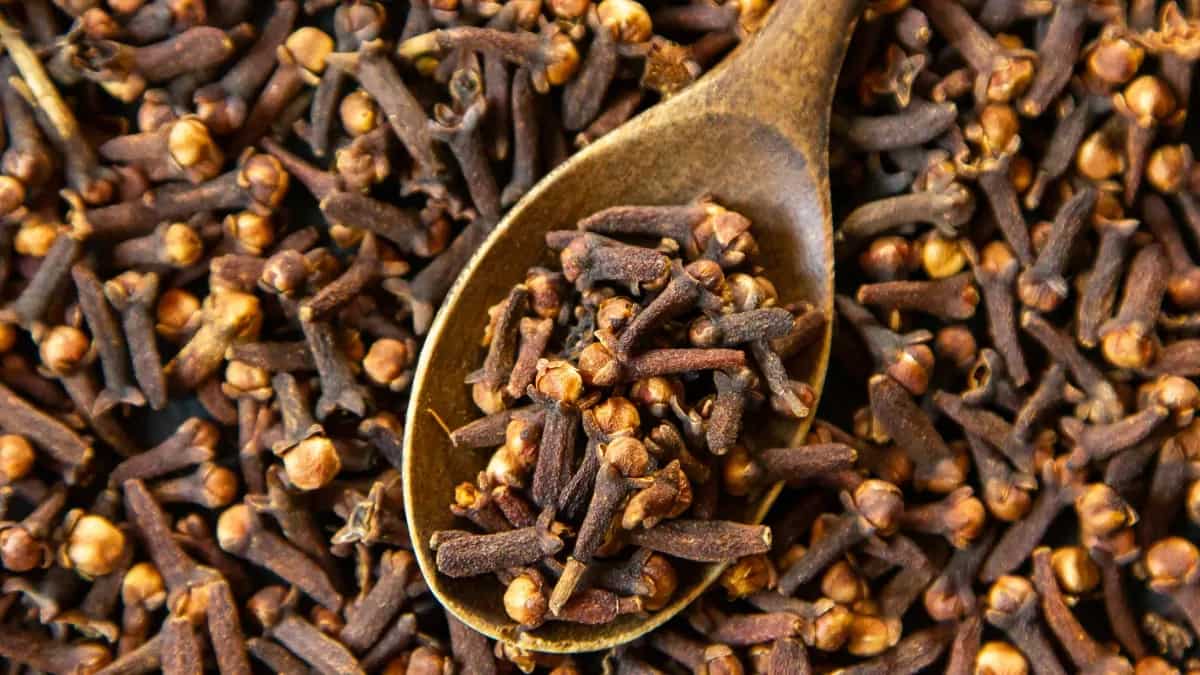
To avoid clumping and spoilage, place natural moisture absorbents in the containers. For instance, add a few cloves or neem leaves in the jars containing rice or flour to help absorb extra moisture. During peak monsoon season, ensure to replace the natural absorbers once every few weeks. You can also keep silica gel packs in drawers and cabinets.
Share
Store Spices In Small Batches
Both whole and powdered spices quickly develop mould in a humid environment. So, during the peak rainy months, don’t buy spices in bulk. Pick small packets that can be finished within a month or two. Store in dark-coloured airtight containers and away from direct sunlight.
Share
Refrigerate Promptly
Fresh ingredients like fruits, vegetables, and dairy products tend to spoil faster during the monsoon season. To extend their shelf life, refrigerate the ingredients as soon as they enter your home. Avoid washing them before storing to minimise the moisture. Pack them in paper towels and store them in vegetable drawers.
Share
Apply The First-In First-Out Method
Older stock is more susceptible to spoilage, thus it becomes important to rotate your inventory. Make sure you’re using the ingredients you first purchased. For easier use, label the jars, track the freshness, and avoid wastage of your pantry staples.
Share