Here’s How To Reduce LPG Usage By 50%
As domestic and commercial food sectors are taken aback by the recent announcement on the reduction of LPG cylinder supplies, a great way to optimise on a personal level would be to only use cooking gas efficiently. To do so, it is important to find a way around regular cooking processes and reintroduce ways that help conserve for as long as is possible.

| Devi Poojari
Mar 13, 2026
 Share
Share 


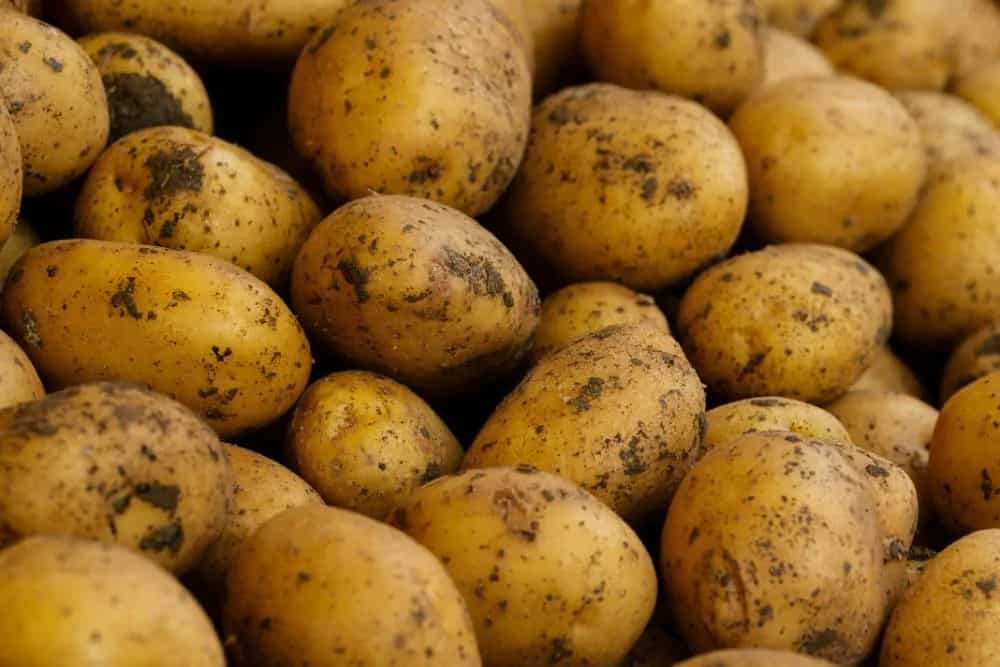
Using a pressure cooker helps reduce cook time for dense ingredients such as lentils, potatoes, meat and beans by 30%-70%. Additionally, lower the flame once the first whistle has passed since the contents have already reached a 100°C in temperature—meaning that the duration it needs to continue cooking can be measured in minutes.
Share
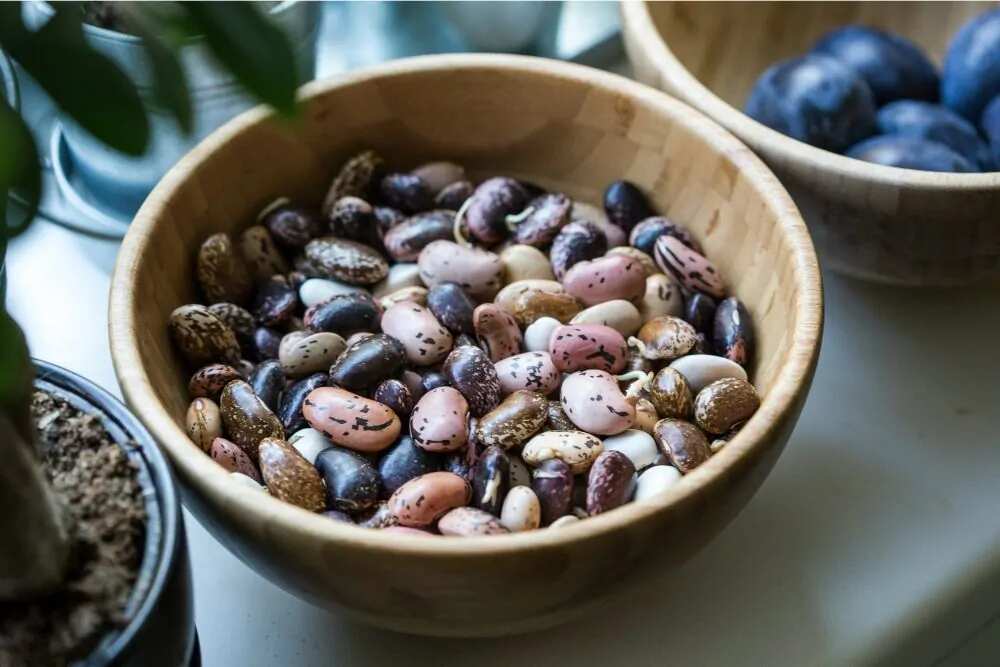
Making sure to soak beans, pulses or rice beforehand softens the structure of each grain significantly, making it easier for them to absorb moisture and turn soft or fluffy when cooked. Pre-soaked grains and legumes also cook 30%-50% quicker than usual, helping save up on the consumption of LPG.
Share
Ensure that the right burners are used for the right purpose—small burners to boil water or make tea, large burners for pressure cookers or large kadhais and medium burners to cook smaller portions of food. Using a large burner for a kitchen purpose that takes no more than a few minutes enables excessive consumption of cooking gas.
Share
Use a lid to cover the cooking pan since it not only helps retain heat and moisture within the pan but also reduces evaporation. The steam swirling within the pot also helps cook ingredients on all sides, without the need for additional heat application; thus reducing fuel use by 20%-25%
Share
Chop your vegetables into even, bite-sized pieces as they tend to cook faster than larger diced cubes. For potatoes or meats, be mindful of having pieces that boast of more surface area when they touch the pan, leading to faster heat penetration and faster cooking from the inside-out.
Share
Stack cooking pans in a pressure cooker—dal at the bottom tier, rice in the middle and a bowl of vegetables on top. This allows for multiple meal elements to cook at the same time, using cooking gas only once throughout the entire process. The one-flame, multi-cooking method is known to cut down fuel use significantly, helping conserve resources for longer.
Share
As a way to make the most of residual heat, switch off the flame on the stove while deep-frying food or using a cast iron pan to cook vegetables. The heat acquired by the cooking mediums tend to maintain a certain temperature for a minimum of 2-3 minutes, enabling the finishing required before food is ready to eat.
Share
lpg shortage
cooking gas
gas cylinder
cooking gas shortage