Ganesh Chaturthi: A 7 Day Prasad Calendar For Each Day
Ganesh Chaturthi 2026 begins on 14 September, marking the vibrant arrival of Ganeshotsav across homes and community pandals. Beyond the grand processions, rhythmic dhol beats, and elaborate clay installations, the festival is deeply rooted in culinary traditions. Offering daily naivedhya to the elephant-headed deity is an essential ritual, with families preparing specific heirloom sweets that reflect regional heritage. From the quintessential modak to lesser-known traditional delicacies, here is a complete seven-day prasad calendar to guide your festive offerings.

| Admin User
Sep 02, 2026
 Share
Share 


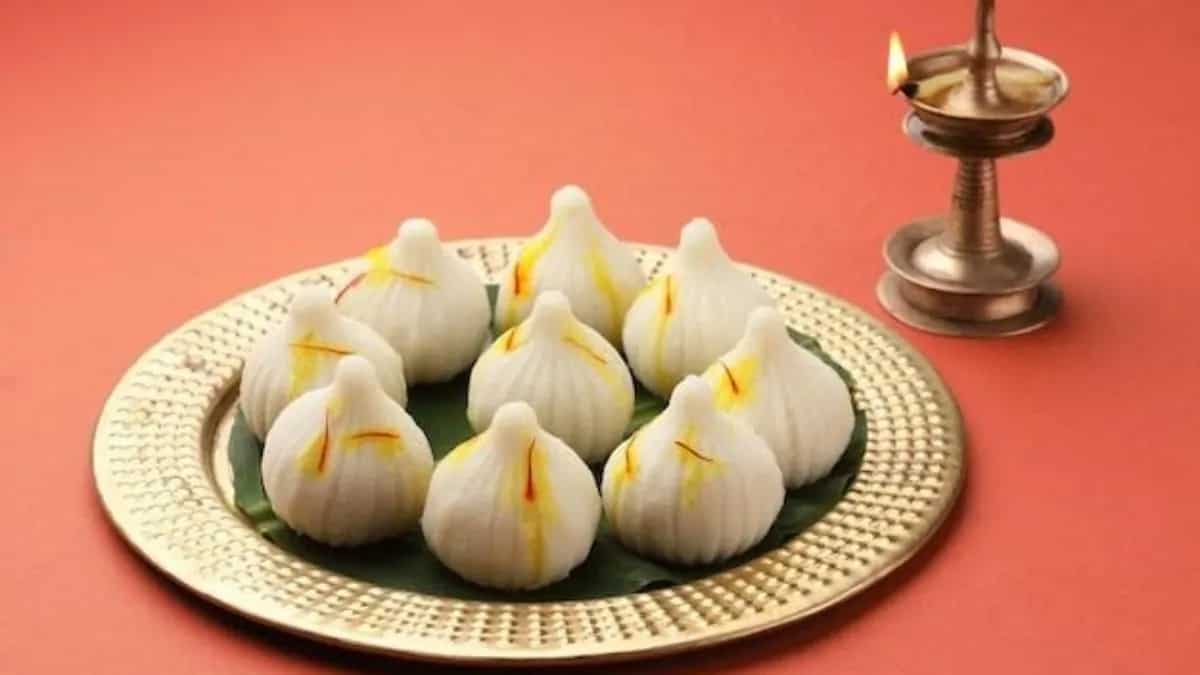
Day 1: Ukadiche Modak
No Ganeshotsav is complete without modak, universally known as the favourite sweet of Lord Ganesha. On the first day of the festival, families prepare ukadiche modak, the steamed rice-flour dumplings filled with freshly grated coconut and jaggery infused with cardamom and nutmeg. Making the outer rice casing requires immense skill; boiling water is poured into rice flour to cook it partially before it is kneaded into a smooth, pliable dough. The delicate pleats are shaped by hand, stuffed, and then steamed to soft perfection. Offering these warm, ghee-drenched dumplings sets the sacred tone for the week.
Share
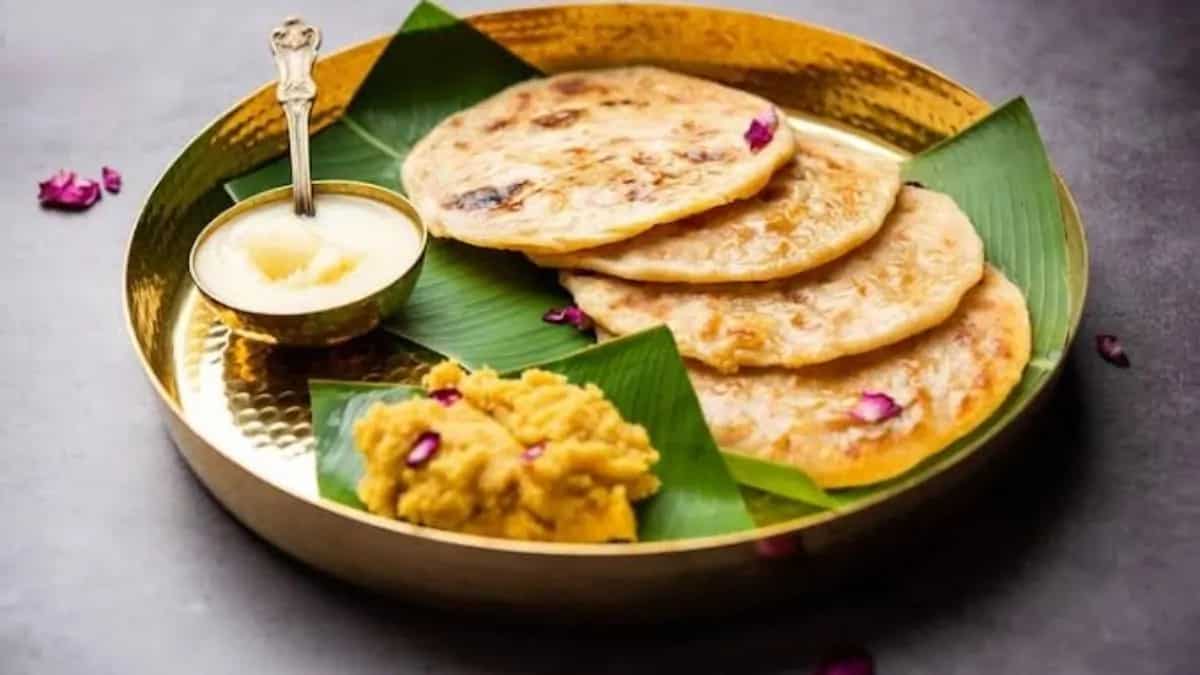
Day 2: Puran Poli
The second day calls for a richer, more elaborate preparation, and puran poli remains a festive staple across Maharashtra. This traditional flatbread features a sweet stuffing made from split yellow chana dal and jaggery, gently spiced with dry ginger powder, cardamom, and nutmeg. The cooked lentil mixture is mashed into a smooth paste, encased in a soft wheat flour dough, rolled out thinly, and roasted on a tawa with generous amounts of pure ghee. Served warm with a dollop of homemade ghee or warm milk, it represents a rich and comforting offering for the deity.
Share
Day 3: Kelyache Sheera
As the celebrations continue into the third day, the prasad shifts to a comforting, aromatic semolina pudding known as kelyache sheera or banana halwa. This wholesome sweet combines roasted rava with ripe bananas, sugar, ghee, and warm milk, finished with a generous handful of fried cashews and raisins. The natural sweetness and rich texture of ripe bananas elevate a simple semolina pudding into a festive delicacy. It is often garnished with a pinch of saffron strands to impart a golden hue and a subtle, floral aroma.
Share
Day 4: Rava Modak
By the fourth day, households often look for quicker alternatives to the laborious steamed modak without compromising on tradition. Rava modak offers a simpler yet delicious variation where the outer casing is made from roasted semolina cooked in milk and water. The stuffing remains a classic blend of fresh coconut, jaggery, and dry fruits. Because rava dough is sturdier and easier to handle than rice flour, these modaks can be shaped quickly by hand or using traditional wooden moulds, making them ideal for mid-week festival preparations.
Share
Day 5: Motichoor Ladoo
Midway through the festival, the prasad features motichoor ladoo, a sweet closely associated with images of Lord Ganesha holding a modak in one hand and a ladoo in the other. Unlike coarse-grained laddus, motichoor is made from tiny, pearl-like droplets of gram flour batter fried in ghee and then soaked in warm sugar syrup flavoured with saffron, melon seeds, and rose water. Once absorbed, the delicate chickpea pearls are shaped by hand into golden spheres. This rich sweet symbolises prosperity and joy, making it an essential naivedhya for the fifth day.
Share
Day 6: Puranache Dind
On the sixth day, families prepare puranache dind, a lesser-known traditional sweet dumpling that shares its filling with puran poli but takes a unique shape. The leftover sweet chana dal and jaggery stuffing is enclosed in small, cylindrical or folded wheat dough pockets that are either steamed or lightly fried in ghee. Dind holds a special place in Maharashtrian temple rituals and household traditions during festivals, offering a delightful textural contrast between the crisp outer layer and the soft, sweet lentil core.
Share
Day 7: Payasam
As the seven-day celebration draws to a close, the final prasad offering is a soothing bowl of traditional kheer or payasam. Slow-cooked with broken rice or vermicelli, full-fat milk, and jaggery or sugar, this simple dessert is scented with green cardamom and garnished with fried cashews and golden raisins. Serving a warm, nourishing bowl of payasam on the concluding day brings a sense of calm and gratitude, wrapping up the week-long festivities with a prayer for peace and sweet blessings until the deity returns next year.
Share