From Rigatoni To Fusilli: The Ultimate Guide To Pasta Shapes
Pasta is far more than just a pantry staple. From red sauce pasta to layered lasagna, navigating through the grocery aisle, the different shapes of pasta can leave you scrolling through Google. If you are confused about the different pasta shapes, where to use them, and what pairs best with them, here’s a guide for you.

| Garima
Apr 11, 2026
 Share
Share 


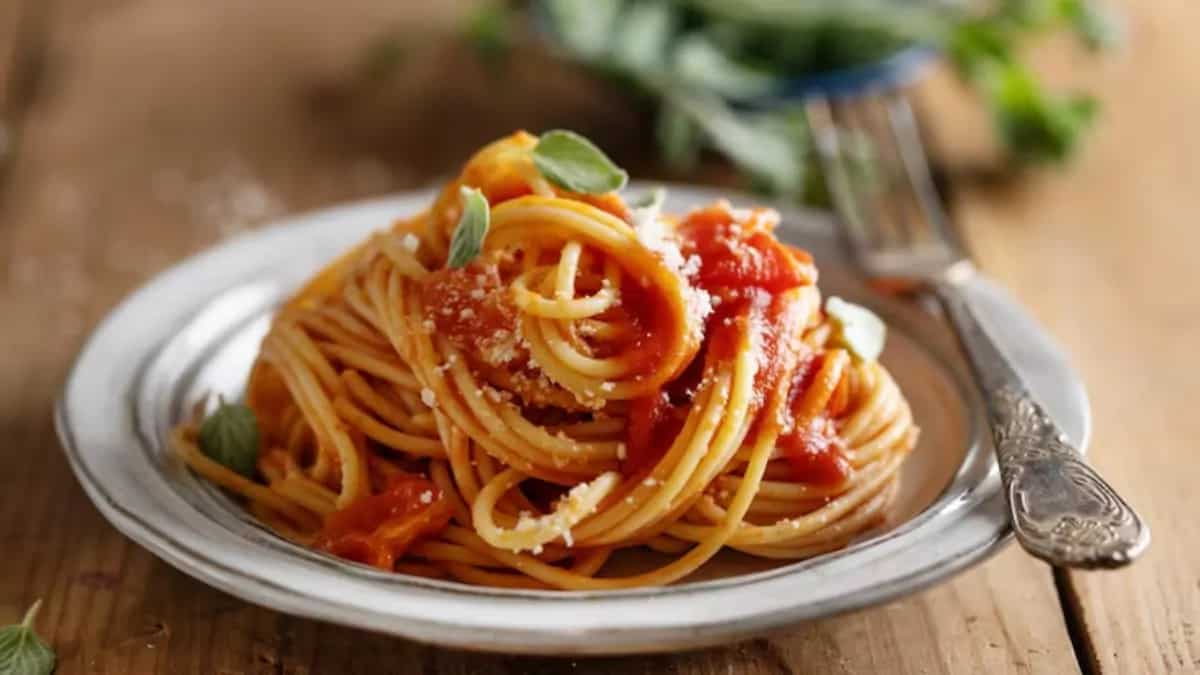
Spaghetti
The most popular pasta shape, spaghetti, needs no introduction. The long and thin pasta is incredibly versatile. Be it creamy aglio e olio or a simple tomato-based sauce, while spaghetti doesn’t have holes or ridges to hold the sauces, it shines once each strand is well coated.
Share
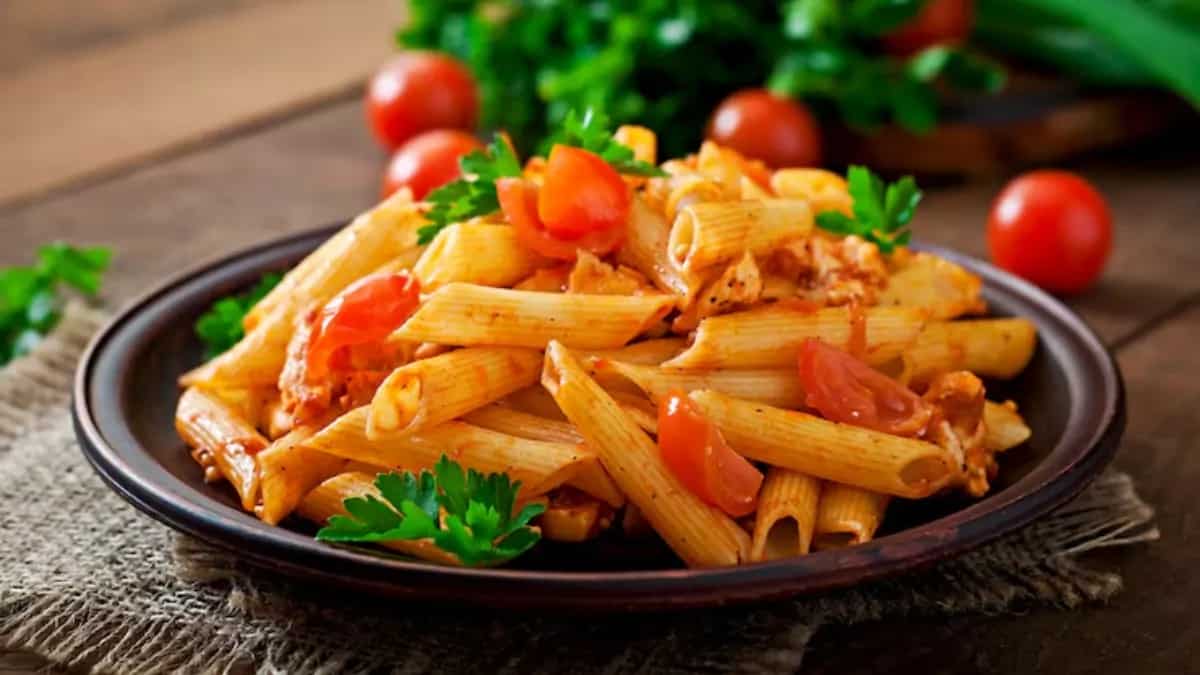
Penne
Penne is a short, tube-shaped pasta. Since penne has hollow centres, it is impeccable for holding thick sauces and chunky cream-based sauces. It is also a go-to shape for baked pasta that also works well with arrabbiata or vodka-based sauce.
Share
Fusilli
Featuring a tight spiral, fusilli beautifully holds sauce in every twist. It is ideal for thick sauces like vegetable or meat-based sauces or pesto. Fusilli is also a popular option for pasta salads since it can hold dressings well.
Share
Fettuccine
Wider than spaghetti, fettuccine is a flat, ribbon-like pasta. Since it has a broad surface, it is perfect for creamy sauces like Alfredo. You can also add in creamy, butter-based sauces and toppings like sweet corn, mushrooms or chicken.
Share
Rigatoni
Rigatoni, derived from the Italian word rigato, which literally means ridged. The tube-shaped pasta with straight-cut ends makes rigatoni perfect for meat-based sauces and baked dishes, making each forkful rich and layered.
Share