From Gandhi To Wangchuk: 6 Hunger Strikes That Shaped History
Long before it became a modern protest tactic, the hunger strike was already woven into India’s political imagination, a weapon of the powerless that could shame the powerful into acting. From colonial jails to the streets of Delhi in 2026, a handful of fasts have done more than make headlines, they have redrawn maps, rewritten laws and reshaped how India sees dissent itself. Here are six that stand out.

| Admin User
Jul 22, 2026
 Share
Share 


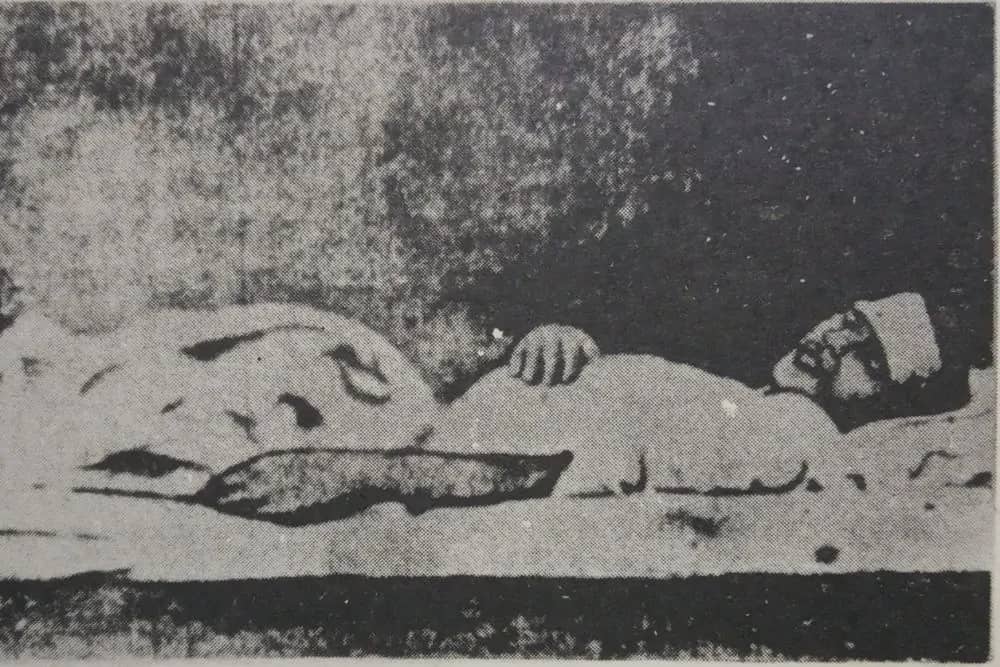
Jatin Das, Lahore Jail, 1929
Jatin Das was only twenty-four when he began a hunger strike inside Lahore’s Borstal Jail, protesting the brutal treatment of Indian political prisoners held there alongside Bhagat Singh and other revolutionaries under the Lahore Conspiracy Case. What began on 13 July 1929 stretched into an agonising 63 days, during which jail authorities attempted forced feeding that left his lungs damaged, yet he never broke his resolve. He died on 13 September 1929, and his body was carried by train from Lahore to Calcutta, with crowds gathering at every station along the route to pay tribute. His death triggered nationwide protests and forced the colonial government to confront its treatment of political prisoners, cementing the hunger strike as a tool of the independence movement.
Share
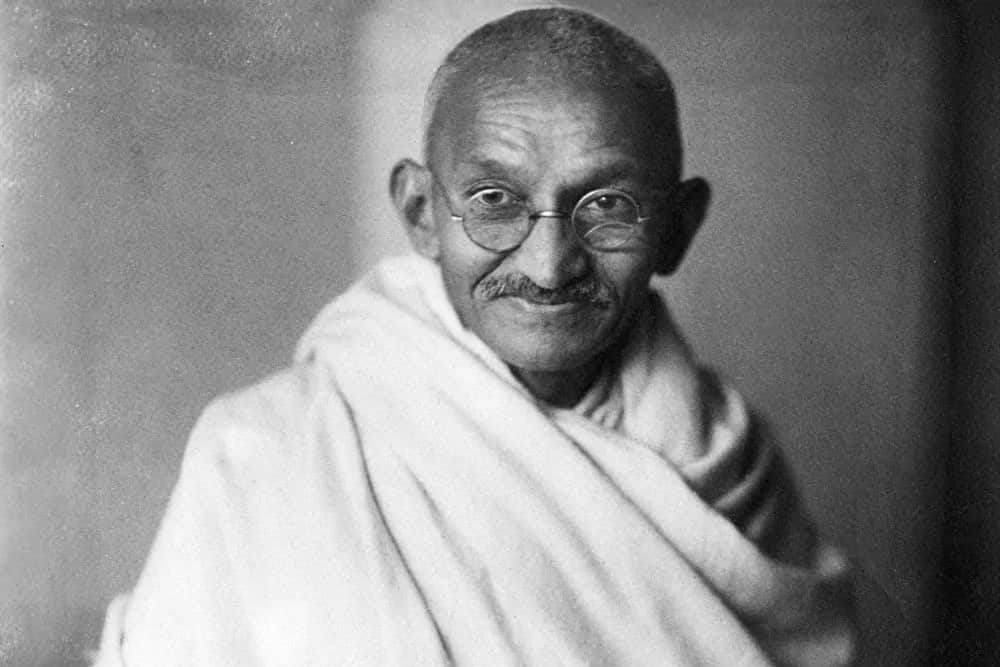
Gandhi’s Epic Fast, Yerwada Jail, 1932
When the British government’s Communal Award granted separate electorates to the Depressed Classes in 1932, Gandhi saw it as a device that would permanently split Dalits from the wider Hindu fold, and he began a fast unto death from his cell in Yerwada Jail on 20 September that year. The fast set off frantic negotiations between Gandhi and B. R. Ambedkar, who had initially welcomed the Award as a genuine safeguard for his community. The talks culminated in the Poona Pact, signed on 24 September 1932, which scrapped separate electorates in favour of reserved seats within joint electorates, and Gandhi broke his fast two days later. The episode remains contested territory, since Ambedkar would later describe the fast as a form of moral pressure that left the Depressed Classes with little genuine choice, but it shaped the framework of political reservation that India still uses today.
Share
Potti Sriramulu, Madras, 1952
Potti Sriramulu, a Gandhian freedom fighter from the Telugu-speaking region of Madras State, began an indefinite fast on 19 October 1952 demanding a separate state for Telugu speakers, to be carved out as Andhra. The demand had simmered for years without government action, and his fast initially drew little official attention, even facing disavowal from the Andhra Congress committee. As his condition worsened over 58 days, the government still refused to commit to a new state, and he died in the early hours of 15 December 1952. His death sparked such intense public anger and unrest that Prime Minister Nehru’s government relented, leading to the creation of Andhra State in 1953, the first state carved out purely on linguistic lines and the template for the wider States Reorganisation Act of 1956.
Share
Irom Sharmila, Manipur, 2000 to 2016
After ten civilians were shot dead by security forces at a bus stop in Malom, Manipur, in November 2000, a young poet named Irom Sharmila began a hunger strike demanding the repeal of the Armed Forces (Special Powers) Act, a law granting sweeping powers to troops in so-called disturbed areas. Arrested almost immediately and charged with attempted suicide, she spent close to sixteen years confined to a hospital room in Imphal, kept alive through a nasal feeding tube while renewing her protest year after year. Her fast became widely regarded as one of the longest hunger strikes in the world, turning her into an internationally recognised symbol of resistance even as AFSPA remained in force. She finally ended her strike on 9 August 2016, choosing to take her campaign into electoral politics instead, a decision that surprised even her closest supporters.
Share
Anna Hazare, Jantar Mantar and Ramlila Maidan, 2011
A retired army driver turned Gandhian activist, Anna Hazare began an indefinite hunger strike at Delhi’s Jantar Mantar on 5 April 2011, demanding that the government involve civil society in drafting a stronger anti-corruption law, the Jan Lokpal Bill. The fast tapped into deep public anger over a string of corruption scandals and drew huge crowds within days, forcing the Prime Minister’s office to set up a joint drafting committee almost immediately. When talks stalled months later, Hazare was detained by Delhi Police in mid-August before he could begin a second fast, a move that backfired badly and brought tens of thousands onto the streets of Delhi, Mumbai, Bengaluru, Chennai and beyond. Released soon after, he fasted for twelve days at Ramlila Maidan until Parliament passed a resolution agreeing in principle to key elements of the bill, a campaign that eventually fed into the Lokpal and Lokayuktas Act of 2013.
Share
Sonam Wangchuk, New Delhi, 2026
In the summer of 2026, the Ladakhi engineer and education reformer Sonam Wangchuk, already known nationally for earlier fasts over Ladakh’s statehood and ecological protection, joined a hunger strike at Delhi’s Jantar Mantar in solidarity with the Cockroach Janta Party, a Gen Z-led movement demanding the resignation of Education Minister Dharmendra Pradhan following exam paper leaks that had affected millions of students. Beginning on 28 June, his fast stretched past three weeks as his health visibly deteriorated, prompting opposition leaders and public figures to appeal for him to stop. On 18 July, Delhi Police forcibly removed him from the protest site and admitted him to Safdarjung Hospital, citing his condition, a move his family challenged in the Delhi High Court. He eventually agreed to end the fast, setting out conditions around government accountability for the exam failures, a strike that reignited debate over protest rights and education governance under a government now in its twelfth year in power.
Share