Edible Vinegars- Have You Tried These Variety?
If Chinese food didn't give a sharpness of sourness and tanginess in its varied dishes, it wouldn't have been as well-liked. Our favourite noodles' flavour is said to be improved by vinegar. The fermentation of ethanol-containing foods (such as wine and rice) or naturally occurring sugar results in vinegar, an acidic liquid. It may surprise you to learn that there are many different types of vinegar on the market, each with special uses and features

| Deepali Verma
Nov 17, 2022
 Share
Share 


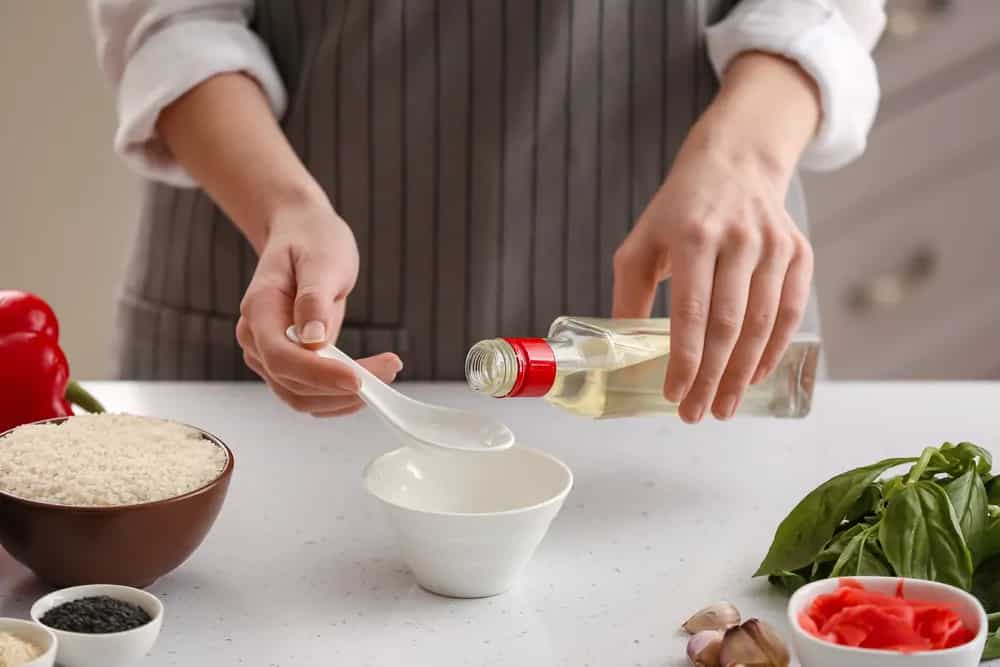
White Vinegar
Indian kitchens are where you'll most often find this one. White vinegar's strong flavour makes it popular for adding pungency to food and useful for cleaning the house.
Share
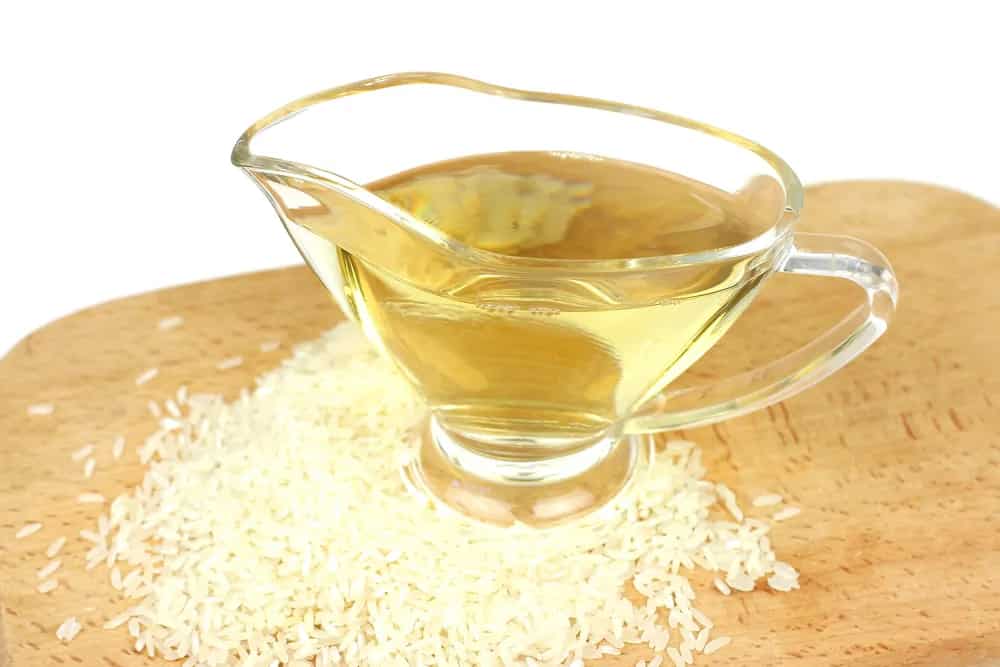
Rice Vinegar
When compared to other vinegars, this pale yellow kind has a sweeter flavour. It is mostly used to marinade meats or to prepare dips and sauces and is made from rice wine.
Share
Apple Cider Vinegar
In addition to giving food a slight sour taste, apple cider vinegar has many other health advantages, especially for the skin and hair. It can be used to make smoothies, oatmeal, and other non-vegetarian foods.
Share
Coconut Vinegar
Thai food (like Thai curry) and other South Indian foods benefit from the real Asian flavours added by coconut vinegar, which is made from the sap of the coconut palm.
Share
Balsamic Vinegar
With no alcohol added, balsamic vinegar is produced directly from grapes. The sweetest vinegar type, it has a blackish colour and is the most common. It works well as a sauce or dip for finger foods as well as a salad dressing.
Share